
Holmes Trusts Fielder, but Critics Debate the Truth Behind 'You Can See Everything'
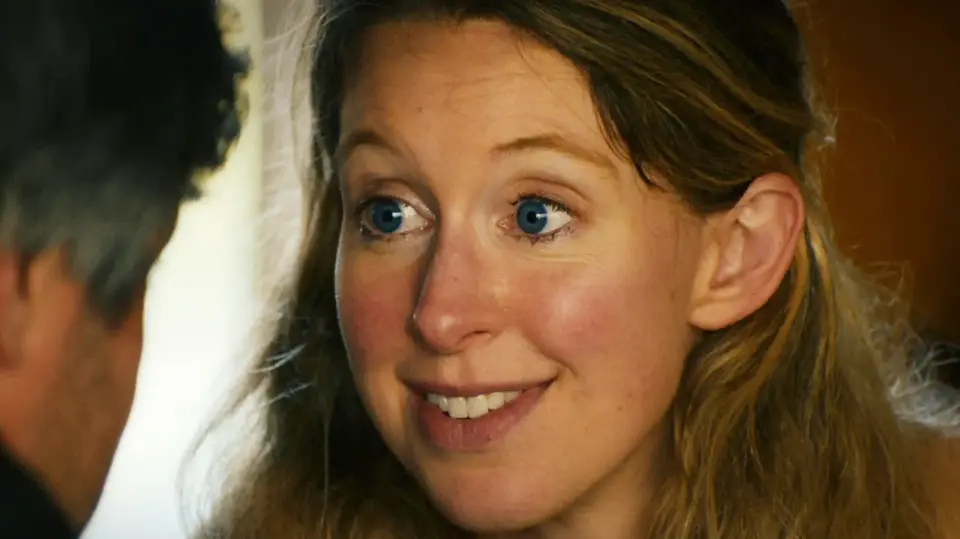
A24's documentary 'You Can See Everything' has become a box office and awards sensation, but its portrayal of Elizabeth Holmes remains deeply contested. While Holmes expressed trust in director Nathan Fielder, critics and insiders argue the film prioritizes ambiguity over factual accuracy regarding the Theranos scandal.
Key points
- Elizabeth Holmes recently spoke with director Nathan Fielder from prison, stating, 'I trust you,' despite limited access to media coverage of the film.
- The documentary, co-directed by Fielder and Lance Oppenheim, chronicles the 34 days before Holmes’s incarceration and has grossed over $18.1 million domestically.
- Critics praise the film as a 'mystifying masterwork' with a 99% Rotten Tomatoes score, while it faces historic Best Picture Oscar eligibility debates.
- Theranos whistleblower Tyler Shultz argues the film is not a true documentary but an art piece that allows Holmes to mislead audiences about the actual capabilities of the Edison device.
- Psychologists note the film’s unsettling nature stems from Holmes’s 'dissociative gaze' and the mismatch between her verbal and nonverbal cues, leaving viewers uncertain about her sincerity.
Background
The release of 'You Can See Everything' has reignited public interest in Elizabeth Holmes and the Theranos fraud. Previous coverage highlighted Amanda Seyfried’s controversial role in the film and the movie’s unprecedented box office performance, which threatened to top other major releases. The film’s unique format, blending documentary with performance art, has sparked debates about the boundaries of nonfiction storytelling and the ethics of portraying convicted fraudsters.
How outlets are covering it
Outlets diverge sharply on the film’s intent and accuracy. SlashFilm and /Film emphasize the film’s artistic merit and Holmes’s expressed trust in Fielder, framing it as a successful, if ambiguous, portrait. Eater focuses on the film’s psychological complexity, highlighting the 'eggs scene' as a microcosm of Holmes and Billy Evans’s dynamic, while questioning whether Holmes is a victim or a manipulator. In contrast, STAT’s Tyler Shultz, a former Theranos employee, argues the film is dangerously misleading, claiming Holmes used the interview to obscure the reality of the Edison device and her financial fraud. TODAY.com’s psychological analysis adds that the film’s unsettling nature stems from Holmes’s inability to align her facial expressions with her words, leaving viewers without clear social cues to determine the truth. While some see Fielder as a master of ambiguity, others view him as complicit in Holmes’s narrative control.
Why it matters
The film’s success challenges traditional definitions of documentary journalism and raises questions about the power of narrative control in media. Its Oscar eligibility and box office performance indicate a public appetite for complex, ambiguous portrayals of high-profile figures, even when those portrayals are contested by those with direct experience of the events depicted. The debate over whether Holmes is a deluded victim or a calculated fraud remains unresolved, reflecting broader societal struggles with trust and truth in media.
What to watch
A24 is campaigning the film for Best Picture, a historic first for a nonfiction work, though it faces eligibility hurdles at some awards. The film’s expansion to 2,600 theaters and continued critical acclaim suggest it will remain a cultural touchstone. Meanwhile, the debate over Holmes’s sincerity and Fielder’s editorial choices will likely persist, with further analysis from psychologists, journalists, and insiders expected to shape public perception.
- How Elizabeth Holmes Really Feels About Nathan Fielder's You Can See Everything SlashFilm
- COMMENTARY: In 'You Can See Everything,' Nathan Fielder plays skeptical juror on Elizabeth Holmes Reuters
- The Eggs Scene in ‘You Can See Everything’ Is One of the Doc’s Weirdest Eater
- I was a Theranos whistleblower. In ‘You Can See Everything,’ Elizabeth Holmes is still lying STAT
- I’m a Therapist Trained to Read Facial Cues. This Is Why ‘You Can See Everything’ Is So Unsettling TODAY.com
Want the full story? Read the original reporting
Read on SlashFilm