
Florida Records First Dengue Death in Nearly a Century as Locally Acquired Cases Surge
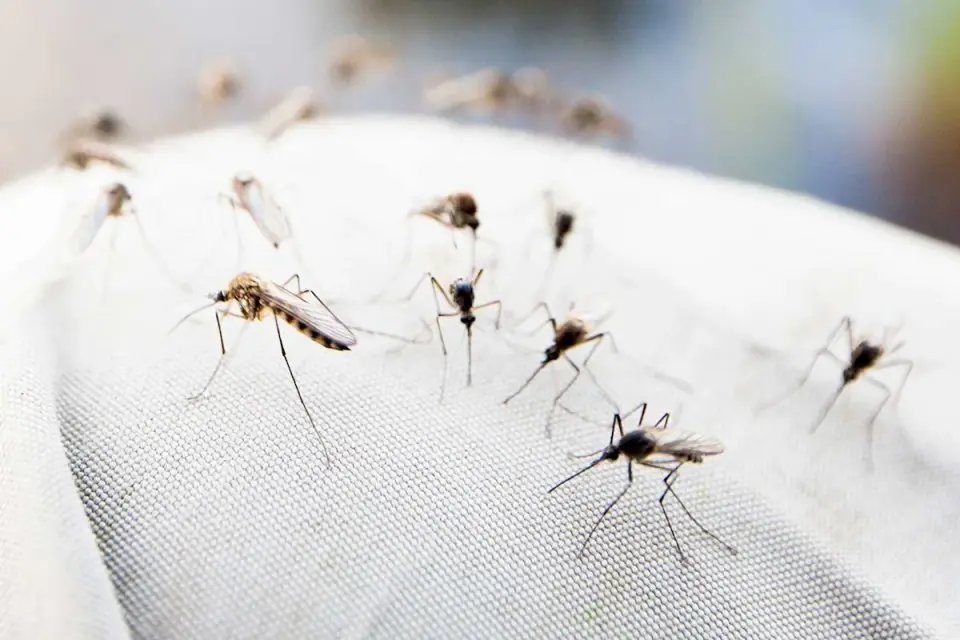
An 80-year-old Florida woman, Gay Small, died from dengue fever on Sept. 4, 2026, marking the state's first dengue-related fatality in nearly 100 years. Her death certificate, obtained by the Tampa Bay Times, lists 'dengue infection, septic shock and multi-organ failure' as causes, confirming local mosquito transmission. This fatality coincides with a significant surge in locally acquired dengue cases across Florida, with 41 cases reported statewide by early September and 73 by late August. Health officials, including the Florida Department of Health and State Surgeon General Dr. Joseph A. Ladapo, have issued urgent advisories urging residents to use insect repellent, eliminate standing water, and wear protective clothing, particularly during dawn and dusk when Aedes mosquitoes are most active. While most U.S. dengue cases are imported, local transmission in Hillsborough and Pinellas counties has prompted heightened surveillance and spraying efforts.
Key points
- Gay Small, 80, died on Sept. 4, 2026, at Tampa General Hospital from dengue fever, septic shock, and multi-organ failure, per her death certificate.
- This is Florida's first dengue-related death in nearly a century, confirmed by the Florida Department of Health and cited by the Tampa Bay Times.
- Locally acquired dengue cases in Florida surged to 73 by late August 2026, with 41 reported statewide by early September, including 8 in Hillsborough County and 2 in Pinellas County.
- The Florida Department of Health and State Surgeon General Dr. Joseph A. Ladapo issued public health advisories urging residents to use insect repellent, drain standing water, and wear long sleeves to prevent mosquito bites.
- Dengue is transmitted by Aedes aegypti and Aedes albopictus mosquitoes; while most U.S. cases are imported, local transmission in Florida has prompted increased surveillance and mosquito control measures.
Background
Florida has experienced a notable rise in locally acquired dengue cases since late August 2026, with the state reporting approximately 149 total dengue cases (including imported) by late August. Prior to this surge, Florida had not seen significant local transmission in over a decade. The current outbreak is linked to warming temperatures and the expanding range of Aedes mosquitoes. Health officials have issued advisories in about 10 counties, urging residents to take preventive measures such as using repellents and eliminating standing water to curb transmission. The CDC has noted that while the risk of widespread transmission remains low, local cases require heightened vigilance.
Why it matters
The first dengue-related death in Florida in nearly a century underscores the growing public health threat posed by locally transmitted mosquito-borne diseases. As climate change expands the range of Aedes mosquitoes and increases transmission seasons, communities in the U.S. may face more frequent and severe outbreaks. This case highlights the critical importance of preventive measures, such as using insect repellent and eliminating standing water, to mitigate the risk of dengue and other mosquito-borne illnesses. It also signals a potential shift in the epidemiology of dengue in the U.S., moving from primarily imported cases to locally acquired infections, which could strain healthcare systems and public health resources.
What to watch
Health officials in Florida are expected to continue monitoring dengue cases closely, particularly in Hillsborough and Pinellas counties, where local transmission has been confirmed. Mosquito control agencies are likely to increase surveillance, inspections, and spraying efforts to curb the spread of the disease. Public health advisories will remain in effect, urging residents to take preventive measures such as using insect repellent, wearing protective clothing, and eliminating standing water. The Florida Department of Health may issue further updates as new cases are reported, and the CDC may provide additional guidance on managing dengue outbreaks in the U.S.
Want the full story? Read the original reporting
Read on Yahoo News UK