
Navigating the Impact and Controversy of Daylight Saving Time
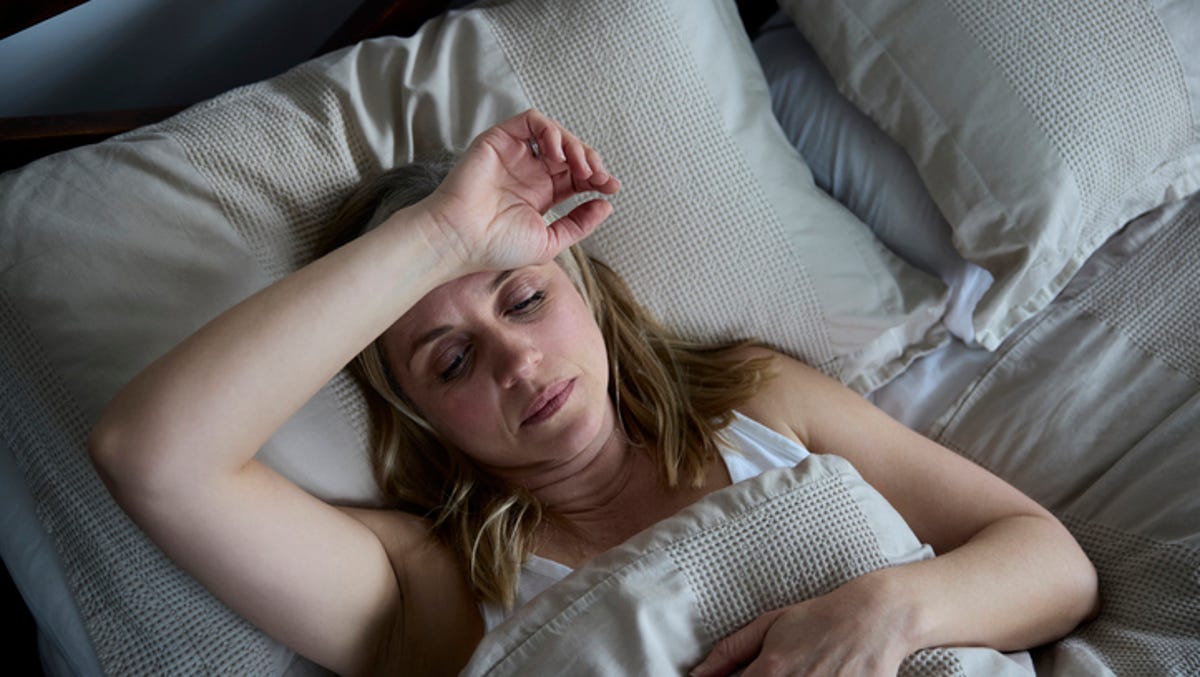
Experts warn that changing the clocks twice a year for daylight saving time can have negative health effects, disrupting sleep routines and impacting the body's circadian rhythm. Losing an hour of sleep in the spring is particularly disruptive. Sleep experts advocate for ending daylight-saving shifts due to the adverse effects on people's well-being. The time changes are more likely to affect sleep than traveling between time zones, as the brain struggles to adjust to sudden shifts. Efforts to end daylight saving time have failed to pass in Congress. Tips for getting consistent sound sleep include implementing a reverse alarm strategy, using warm water to wind down, limiting intense activity before bed, and seeking guidance from sleep coaches or reliable sleep sources.
- How Daylight Saving time changes impacts our health and how to prepare USA TODAY
- Daylight saving 2023: Here are the states that want it to end NPR
- Daylight saving time ends early Sunday morning WISN 12 News
- Daylight Saving Time 2023: Negative side effects | Opinion Deseret News
- The clocks are ‘falling back’ to Standard Time this weekend WJHL-TV News Channel 11
Reading Insights
0
21
3 min
vs 4 min read
82%
669 → 121 words
Want the full story? Read the original article
Read on USA TODAY