
NC teen Moises Ponce Mendoza dies from Naegleria fowleri infection
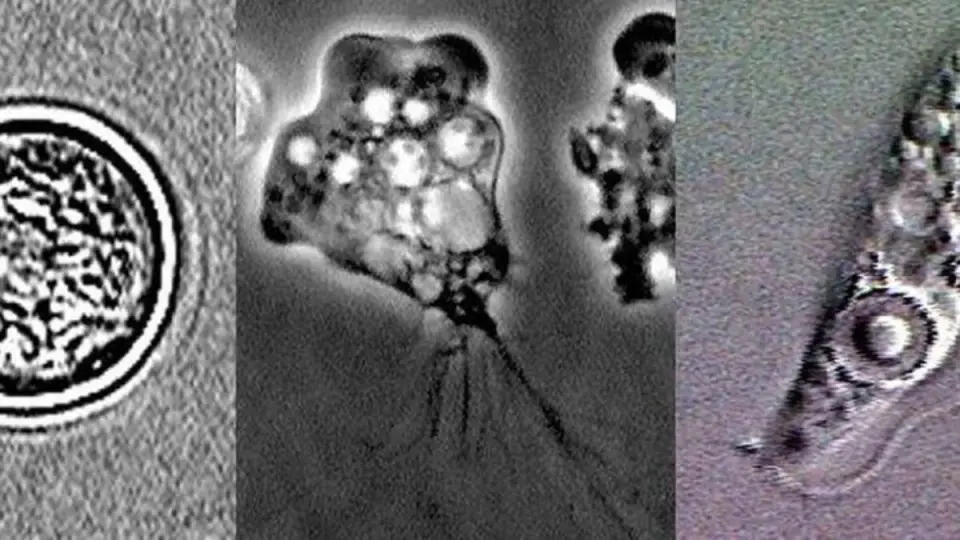
A North Carolina teenager, identified as Moises Ponce Mendoza, died on August 31, 2026, after contracting Naegleria fowleri, a rare and often fatal brain-eating amoeba. The North Carolina Department of Health and Human Services (NCDHHS) confirmed the death and is investigating the source of the infection in coordination with the CDC. The teen had been treated at UNC Hospitals after being diagnosed with primary amebic meningoencephalitis, a condition that is nearly always fatal. His mother, Monica Mendoza, had previously shared details of his rapid decline via a GoFundMe campaign, noting he was in a coma and that his symptoms began with severe headaches. While the NCDHHS did not initially name the patient to protect privacy, the family’s public appeal and subsequent reporting identified him. The case highlights the ongoing risk of this rare infection in warm freshwater environments, particularly during hot weather, and underscores the importance of preventive measures such as avoiding nose-dipping in warm water.
Key points
- Moises Ponce Mendoza, a North Carolina teenager, died on August 31, 2026, from Naegleria fowleri infection.
- NCDHHS confirmed the death and is investigating the infection source with the CDC and local health partners.
- The teen was treated at UNC Hospitals after being diagnosed with primary amebic meningoencephalitis (PAM).
- His mother, Monica Mendoza, identified him in a GoFundMe campaign, stating he was in a coma and that his symptoms began with severe headaches.
- Naegleria fowleri is a rare amoeba found in warm freshwater that enters the nose and causes brain damage; it is nearly always fatal.
- Preventive measures include avoiding nose-dipping in warm freshwater, using nose clips, and not disturbing sediment in shallow, warm water.
Background
This case follows a similar incident in Louisiana, where an 8-year-old girl, Lillian Smart, died from Naegleria fowleri infection in August 2026. The amoeba is typically found in warm freshwater and is not present in saltwater or properly maintained pools. Previous cases in North Carolina include a 2019 infection in Cumberland County and a 2016 death of a college student after capsizing a raft at the U.S. National Whitewater Center. Rising temperatures linked to climate change have expanded the amoeba’s range into the Midwest, according to The Guardian.
How outlets are covering it
The Charlotte Observer and The Guardian both report the death of the NC teenager and the NCDHHS confirmation. The Charlotte Observer emphasizes the GoFundMe campaign and the family’s public appeal, while The Guardian focuses on the medical progression and the broader context of climate change expanding the amoeba’s range. Both outlets agree on the rarity and fatality of the infection but differ in emphasis: The Observer highlights the community response and fundraising, while The Guardian stresses the scientific and environmental factors contributing to the infection’s spread.
Why it matters
The death of Moises Ponce Mendoza underscores the severe and often fatal nature of Naegleria fowleri infections, which are rare but nearly always deadly. The case highlights the importance of preventive measures in warm freshwater environments and the need for public awareness, especially during hot weather. It also reflects the broader trend of climate change expanding the range of such infections into new areas, as noted by The Guardian. The investigation by NCDHHS and the CDC aims to identify the source and prevent future cases, while the family’s public appeal and fundraising efforts highlight the personal impact of such rare diseases.
What to watch
NCDHHS and the CDC will continue investigating the source of the infection to determine how the teenager contracted it. Public health officials will likely issue further guidance on preventive measures, such as avoiding nose-dipping in warm freshwater and using nose clips. The family may continue to raise awareness through their GoFundMe campaign, which had raised $9,700 of a $10,000 goal as of September 1. There may be increased public scrutiny of water safety in warm freshwater areas, especially during hot weather.
- NC teenager infected with brain-eating amoeba has died. What we know Charlotte Observer
- North Carolina teenager dies from rare brain-eating amoeba infection The Guardian
- Second Child Infected with Brain-Eating Amoeba Following Death of 8-Year-Old People.com
- North Carolina teen dies of brain-eating amoeba infection FOX8 WGHP
- A handout photomicrograph provided by the Centers for Disease Control and Prevention (CDC) depicts the characteristics associated with a case of primary amebic meningoencephalitis, a rare brain infection due to Naegleria fowleri parasites, a brain-eating a The Lufkin Daily News
Want the full story? Read the original reporting
Read on Charlotte Observer