
Pennsylvania records fifth measles death as CDC excludes state fatalities from national tally
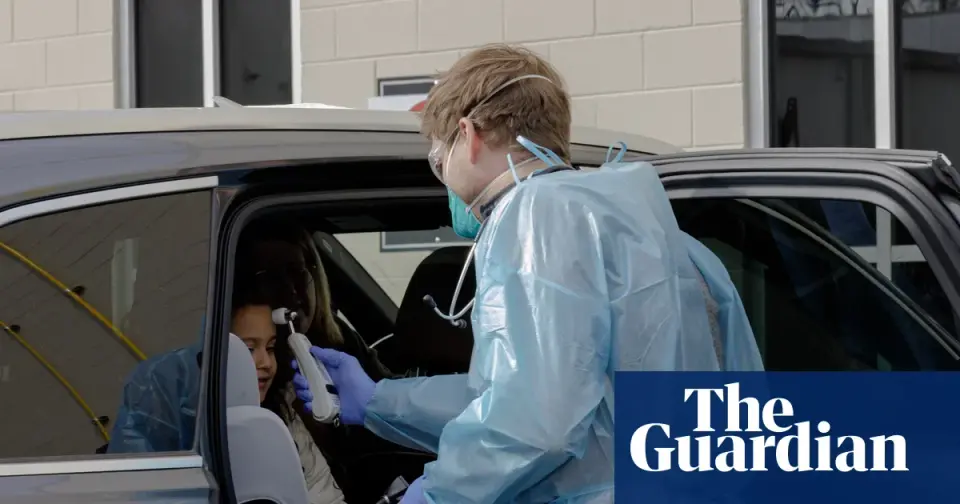
Pennsylvania has confirmed its fifth measles-associated death of 2026, bringing the state's total to 943 cases across 39 counties. The latest fatality involved an unvaccinated resident of Lancaster County, the epicenter of the outbreak. While the state health department has administered over 8,500 MMR vaccines through pop-up clinics, the CDC has not included these deaths in its national count due to altered reporting criteria under the current administration. Experts warn the outbreak will continue until vaccination rates rise or the virus exhausts susceptible populations.
Key points
- Pennsylvania confirmed its fifth measles-related death in 2026, involving an unvaccinated Lancaster County resident.
- The state has recorded 943 confirmed cases, 176 hospitalizations, and five deaths across 39 counties since late April.
- Only four confirmed cases involved vaccinated individuals, representing less than 1% of total cases.
- The CDC has not counted Pennsylvania's deaths in its national tally, citing changed reporting methods under HHS Secretary Robert F. Kennedy Jr.
- State health officials have administered over 8,500 MMR vaccine doses via 180 pop-up clinics since the outbreak began.
- Vaccination rates among kindergarten-aged children have declined, with many classrooms falling below herd immunity thresholds.
Background
This outbreak follows a 35-year period without measles deaths in Pennsylvania. In 2025, the US saw three measles deaths in Texas and New Mexico. The current surge is part of a broader national trend, with over 3,600 cases reported in the US in 2026, the highest since 1991. Previous archive entries noted the CDC's removal of two Pennsylvania deaths from its national tally in September 2026, highlighting ongoing disputes over death certification and vaccine policy.
How outlets are covering it
The Guardian and The Morning Call emphasize the state's response, including 180 pop-up clinics and rising vaccine demand, with August and September seeing over 49,000 and 53,000 MMR doses administered, respectively. Ars Technica highlights the CDC's refusal to count Pennsylvania's deaths, noting the agency has only recorded two national deaths despite five confirmed in Pennsylvania. The Pittsburgh Post-Gazette focuses on the epidemiological trajectory, quoting Johns Hopkins scholar Amesh Adalja, who states the outbreak will worsen until enough people are vaccinated or infected. All sources agree on the unvaccinated status of the deceased and the concentration of cases in Lancaster and Mifflin counties, but differ in emphasis: state officials stress vaccination efforts, while critics focus on federal policy failures and declining immunity rates.
Why it matters
The outbreak underscores the public health risks of declining vaccination rates and federal policy changes affecting disease reporting. With measles being highly contagious, the failure to accurately track deaths may hinder national response efforts. The crisis highlights the vulnerability of communities with low vaccination rates and the importance of timely, accurate data in guiding public health interventions. It also raises questions about the impact of misinformation and political influence on disease surveillance and prevention strategies.
What to watch
State health officials plan additional vaccination clinics in the coming weeks and months based on community interest and need. The CDC's stance on counting Pennsylvania's deaths remains unresolved, with the state threatening to withdraw its emergency assistance request unless the federal agency recognizes the fatalities. Experts expect the outbreak to continue until vaccination rates increase or the virus runs out of susceptible individuals. Monitoring daily case totals will remain critical to assessing community transmission and guiding further response efforts.
- Pennsylvania reports fifth measles-related death of the year amid outbreak The Guardian
- Pennsylvania records fifth measles-related death this year The Hill
- Fifth unvaccinated person dies of measles; CDC still not counting all deaths Ars Technica
- Pennslyvania confirms fifth measles death, 3rd in Lancaster County The Morning Call
- Fifth Pennsylvania resident dies after contracting measles post-gazette.com
Want the full story? Read the original reporting
Read on The Guardian