
Navi Pillay Wins 2026 Nobel Peace Prize Amid US Sanctions on ICC and Israeli Outrage
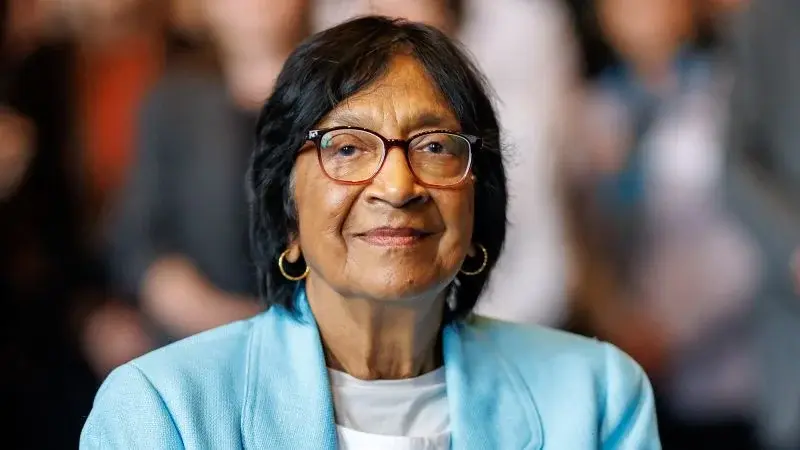
Navi Pillay, 85, won the 2026 Nobel Peace Prize for her career in international law and human rights. The award highlights her work on the Rwanda genocide tribunal, UN human rights, and a 2025 UN commission finding that Israel committed genocide in Gaza. The announcement triggered immediate backlash from Israel and new US sanctions against the International Criminal Court, which the Nobel Committee cited as evidence of international law being under attack.
Key points
- Pillay, a former UN High Commissioner for Human Rights and ICC judge, was awarded the prize for promoting peace and international law.
- The Norwegian Nobel Committee emphasized her role in the 2025 UN commission that concluded Israel committed genocidal acts in Gaza, a finding Israel rejects.
- Hours after the announcement, the US imposed new sanctions on the International Criminal Court, which Pillay served on, citing its jurisdiction over US personnel.
- Israel’s foreign ministry and Prime Minister Benjamin Netanyahu condemned the award as 'grotesque' and a weaponization of the prize to legitimize anti-Israel hatred.
- Pillay dedicated the award to survivors of international crimes, stating that international law is under significant political attack.
Background
Prior to the announcement, speculation had focused on Canadian Prime Minister Mark Carney and humanitarian groups, with prediction markets showing fluctuating odds. The 2026 prize follows the 2025 award to Venezuelan opposition leader María Corina Machado, who presented her medal to President Trump. The current award comes amid a broader geopolitical shift where the US administration has targeted international legal institutions, including the ICC, which the Trump administration has vowed to dismantle.
How outlets are covering it
CNN and The New York Times highlighted the political timing of the award, noting the immediate US sanctions on the ICC and Israeli condemnation. The Washington Post focused on the irony of Trump’s failed campaign for the prize, noting he had previously sought the award for himself. BBC emphasized Pillay’s emotional reaction and the broader context of her work on both Hamas and Israel war crimes. While all outlets agree on the facts of the award, they differ in emphasis: CNN and NYT focus on the conflict with the US and Israel, while BBC and The Washington Post provide more background on the prize’s history and the laureate’s personal journey. The Israeli government’s perspective, as reported by all outlets, is that the award is illegitimate and biased.
Why it matters
The award signals a strong endorsement of international legal institutions at a time when they face unprecedented political pressure from major powers. It highlights the growing tension between the US and international legal bodies, and the deepening diplomatic rift between Israel and the international community over the Gaza conflict. The prize also underscores the importance of individual courage in upholding the rule of law, as noted by the Nobel Committee and international observers.
What to watch
The US is expected to continue its pressure on the ICC, potentially leading to further sanctions or diplomatic isolation. Israel is likely to escalate its diplomatic protests against the Nobel Committee and Pillay. Pillay will continue her work as a judge on the International Court of Justice, including the case against Myanmar for genocide. The broader implications for international law and human rights will depend on how other nations respond to the US sanctions and the Israeli backlash.
- Nobel Peace Prize 2026 winner will soon be announced CNN
- Trump’s Nobel ambitions fade, but Norway still fears his wrath The Washington Post
- Winner of Nobel Peace Prize to be announced in Oslo BBC
- Live Updates: Nobel Peace Prize Winner to Be Announced The New York Times
- The Nobel Peace Prize is set to be awarded in Norway AP News
Want the full story? Read the original reporting
Read on CNN