
Christa Pike Wakes After Botched Execution, Demanding Commutation Amidst Unprecedented Medical Crisis
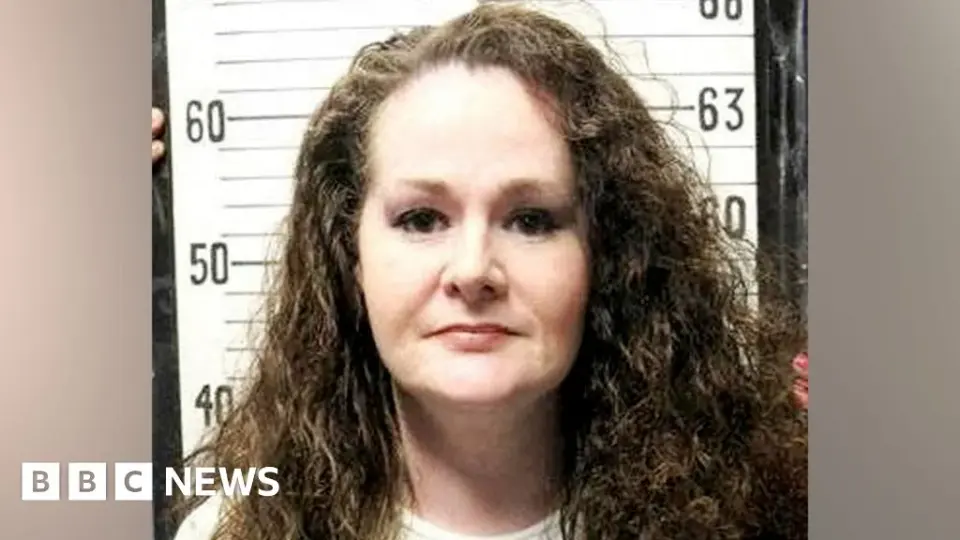
Christa Pike, a 50-year-old death row inmate in Tennessee, has regained consciousness and is speaking after surviving two lethal injections on September 30. Her attorneys describe her recovery as medically unprecedented, noting she is currently hospitalized with severe injuries. Governor Bill Lee has suspended all executions in the state for the remainder of 2026 and commissioned an independent review of the failed procedure.
Key points
- Pike is conscious and speaking but remains handcuffed and shackled to her hospital bed, with her lawyers describing her prognosis as uncertain and her recovery as a 'long road.'
- The September 30 execution attempt involved two doses of pentobarbital; Pike reportedly cried out in pain, stating her arm felt like it was 'about to burst open,' before being transported to a hospital.
- Tennessee Governor Bill Lee has suspended all executions through the end of 2026 and appointed former U.S. Attorney Ed Stanton to conduct an independent review of the state's lethal injection protocols.
- Pike's legal team is petitioning for her sentence to be commuted to life in prison without parole, citing her severe physical trauma and the unprecedented nature of her survival.
- The Tennessee Department of Correction Commissioner, Frank Strada, has resigned following the incident, which is the second failed execution attempt in the state this year.
Background
Christa Pike was convicted in 1996 for the 1995 murder of 19-year-old Colleen Slemmer, a crime she committed alongside her then-boyfriend, Tadaryl Shipp. Pike was the only woman on Tennessee's death row and was scheduled to be the first woman executed in the state in over 200 years. Her case had previously drawn attention for her legal team's arguments regarding her mental health and childhood trauma, which the state and courts rejected. The September 30 execution followed a similar procedural failure in May involving inmate Tony Carruthers.
How outlets are covering it
BBC and ABC News both emphasize the 'unprecedented' nature of Pike's survival, noting she is the first person to survive a lethal injection after the drug was successfully administered. ABC News highlights the physical toll, including pneumonia and blood clots, while BBC focuses on the cognitive confusion and lack of memory regarding the execution itself. WZTV, though its content was largely inaccessible, framed the story around the medical mystery of why Pike remained alive despite the death sentence. All sources agree on the immediate political fallout, including the resignation of the corrections commissioner and the statewide execution moratorium.
Why it matters
The survival of Christa Pike after a lethal injection challenges the fundamental assumptions of the death penalty's reliability and humanity. It has triggered a statewide halt to executions and an independent review of protocols, potentially setting a precedent for future challenges to lethal injection methods. The case also raises significant questions about the state's responsibility toward inmates who survive execution attempts and the ethical implications of continuing to pursue capital punishment in the face of such failures.
What to watch
Pike's attorneys are scheduled to appear in court in Nashville on Wednesday to press for a commutation of her sentence to life in prison without parole. The independent review led by Ed Stanton will determine if the state's execution protocols were followed and may lead to further recommendations. Pike's medical team will continue to monitor her recovery, which is expected to be long and complex, while the state decides whether to attempt a second execution.
- US death row inmate Christa Pike conscious after failed execution, lawyers say BBC
- Christa Pike Regains Consciousness After Her Failed Execution The New York Times
- Christa Pike conscious and speaking after botched execution: Attorneys ABC News - Breaking News, Latest News and Videos
- Why is Christa Pike still on life support despite her death sentence? WZTV
- Prolific soap opera actor Robert Kelker-Kelly dies in St. Peters home STLtoday.com
Want the full story? Read the original reporting
Read on BBC