
Flanagan's 'Carrie' Survives: A Critical Look at the Prime Video Series' Radical Ending
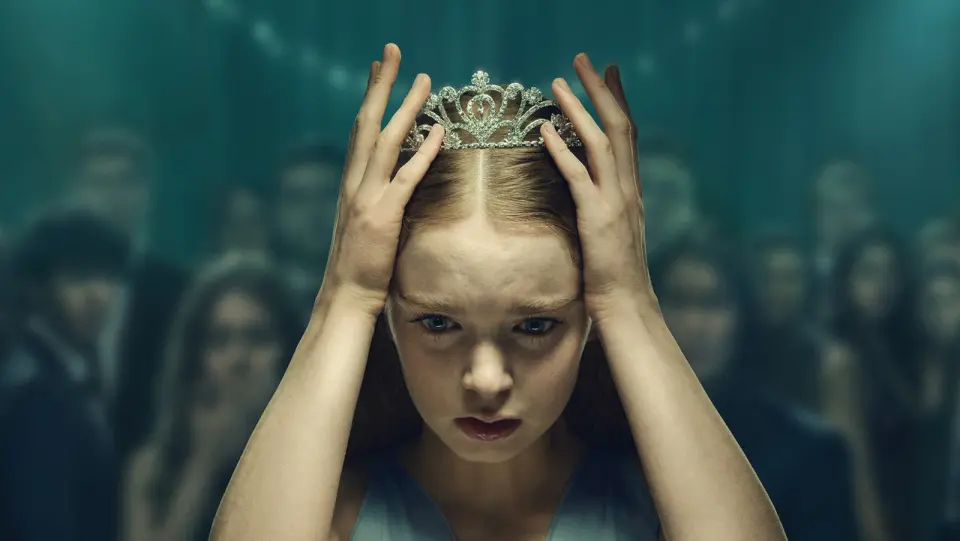
Mike Flanagan’s eight-episode adaptation of Stephen King’s 'Carrie' premiered on Prime Video on October 7, 2026. While critics praise Summer H. Howell’s performance and the modernized themes, the series’ finale diverges significantly from the source material. In this version, Carrie survives the prom massacre, which is orchestrated by her telekinetic friend Emaline rather than Carrie herself. The series also reveals that Carrie’s mother, Margaret, possesses telekinetic powers and is killed by a secret organization of psychics. Critics are divided on whether these changes enhance the story or dilute its horror impact.
Key points
- The series premiered on Prime Video on October 7, 2026, with a Rotten Tomatoes score of 85%.
- Carrie (Summer H. Howell) survives the finale, unlike in the book and the 1976 film.
- The prom massacre is committed by Emaline (Thalia Dudek), who uses Carrie’s body, rather than by Carrie herself.
- Margaret White (Samantha Sloyan) is revealed to have telekinetic powers and is killed by a secret organization of psychics.
- Critics praise the performances but debate whether the expanded narrative and modern themes dilute the original horror.
Background
Mike Flanagan has previously adapted several Stephen King works, including 'The Haunting of Bly Manor' and 'Midnight Mass.' His new 'Carrie' series is the latest in a line of adaptations, following the 1976 Brian De Palma film and the 1974 novel. The series was announced in early 2026, with critics noting its focus on modern teen anxieties, such as social media and school shootings.
How outlets are covering it
Critics are divided on the series’ changes. Rotten Tomatoes reports a 85% score, with praise for Howell’s performance and the modernized themes. However, some critics, such as Daniel Feinberg of The Hollywood Reporter, argue that the series is less scary and distinctive than it should be. SlashFilm’s Chris Evangelista notes that the series stretches the narrative too much, while others, like Jordan Williams of Screen Rant, praise the series for its nuanced exploration of fear and anger. The ending, where Carrie survives and is controlled by Emaline, is seen by some as a controversial departure from the source material, while others view it as a bold reimagining.
Why it matters
The series’ success or failure could influence future adaptations of Stephen King’s works, particularly those with tight, iconic narratives. Flanagan’s decision to expand the story and introduce new characters and subplots may set a precedent for how classic horror stories are reimagined for modern audiences. The series’ focus on contemporary issues, such as social media and school shootings, also reflects a broader trend in horror to address real-world anxieties.
What to watch
Flanagan has expressed interest in a third season of 'Carrie,' and the series’ ending leaves room for further exploration of the telekinetic organization and its connection to other King works, such as 'Firestarter.' The series’ success will likely determine whether Flanagan continues to expand the 'Carrie' universe or returns to other King adaptations.
- Carrie TV Series Ending Explained: Every Major Change From Stephen King's Book SlashFilm
- What to Know About ‘Carrie’ Before Watching the New TV Adaptation The New York Times
- Carrie's New Backstory In Mike Flanagan's Series Does Come From Stephen King's Book Yahoo
- ‘Carrie’ Review: A Horror Classic’s New Blood on Prime Video WSJ
- Carrie First Reviews: A Fresh, Modern Take with Powerful Performances and Thoughtful Themes Rotten Tomatoes
Want the full story? Read the original reporting
Read on SlashFilm