
Clancy Defense Shifts Strategy to Challenge Evidence as Court Delays Retrial Decision
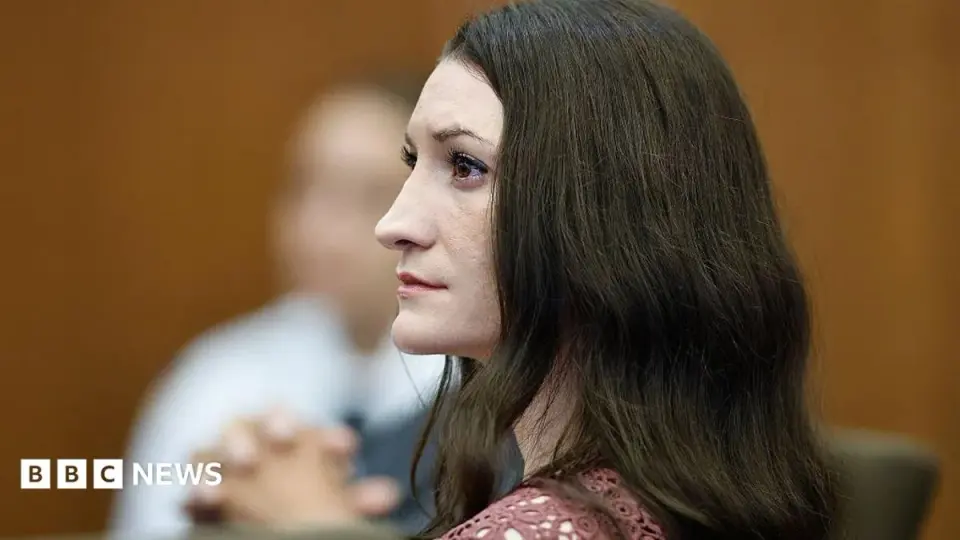
Lindsay Clancy returned to court in Plymouth, Massachusetts, on September 29, 2026, as her defense team requested a dismissal of the murder charges. The defense argued that the prosecution failed to prove Clancy killed her three children, a new stance that contradicts their previous insanity defense. The court postponed a decision on a retrial until November 2, 2026, while disputes over juror privacy and a potential gag order remain unresolved.
Key points
- Defense attorney Kevin Reddington argued that the prosecution failed to prove Clancy killed her children, a shift from the previous insanity defense.
- Judge William Sullivan postponed a decision on a retrial until November 2, 2026, to allow time for the defense to prepare.
- The prosecution requested a gag order to limit media statements, while the defense sought the release of private juror notes.
- Plymouth District Attorney Tim Cruz stated his office has not yet decided whether to seek a retrial.
- The lone juror who voted to convict, identified as Michael Desronvil, is facing scrutiny from the defense team.
Background
Clancy was tried for the January 2023 murders of her three children. The first trial ended in a mistrial on September 4, 2026, after a jury deadlocked 11-1 in favor of finding her not criminally responsible due to postpartum psychosis. The case has been the subject of intense public debate and social media scrutiny, with online sleuths targeting her husband, Patrick Clancy, despite Lindsay’s admission to the killings.
How outlets are covering it
The defense, led by Kevin Reddington, argued that the prosecution failed to prove Clancy killed her children, a new stance that contradicts their previous insanity defense. The prosecution, led by Shanan Buckingham, argued that the defense’s new argument was 'laughable' and that the prosecution met its burden of proof. The lone juror who voted to convict, identified as Michael Desronvil, is facing scrutiny from the defense team, with his attorney, Edward Paltzik, criticizing Reddington and threatening a bar complaint. The media, including the Boston Globe and WBZ-TV, argued for the release of private juror notes, while the prosecution requested a gag order to limit media statements.
Why it matters
The case highlights the complexities of the legal system and the impact of public opinion on legal proceedings. The defense’s shift in strategy and the prosecution’s request for a gag order raise questions about the fairness of the trial and the role of the media in shaping public perception. The case also highlights the importance of juror privacy and the potential for social media to influence legal proceedings.
What to watch
The next hearing is scheduled for November 2, 2026, where the court will decide on the defense’s request for a dismissal of the murder charges and the prosecution’s request for a gag order. The court will also decide on the release of private juror notes and the potential for a retrial. The case is expected to continue to be the subject of intense public debate and social media scrutiny.
- Live: Lindsay Clancy in court for first time since murder mistrial BBC
- Live Updates: Lindsay Clancy's first hearing since mistrial in high-profile Massachusetts trial CBS News
- Clancy Returns to Court as Lawyers Seek Investigation of Holdout Juror nytimes.com
- Lindsay Clancy holdout juror's attorney criticizes her defense USA Today
- Lindsay Clancy returns to court for the first time since her mistrial NBC News
Want the full story? Read the original reporting
Read on BBC