
Lindsay Clancy Jury Deadlock Escalates as Defense Blames Single Juror
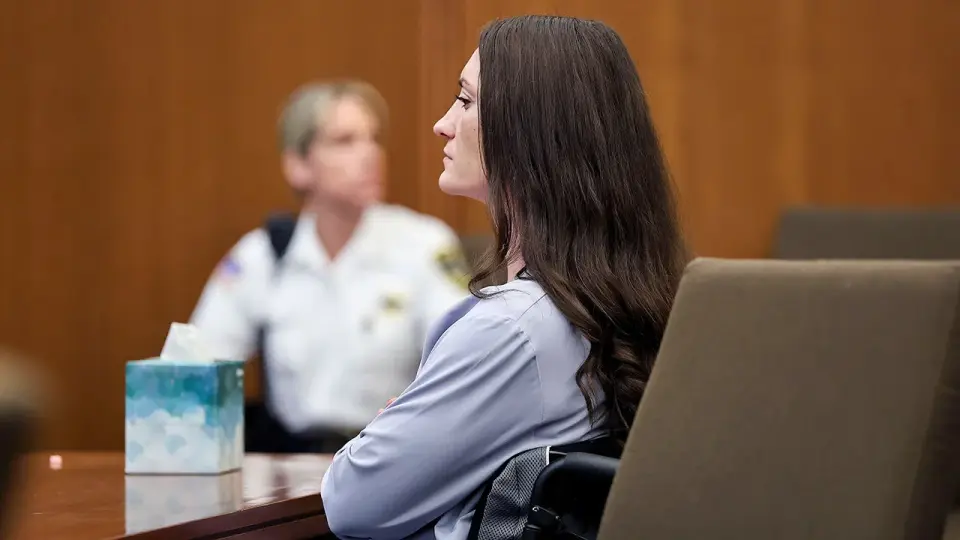
The jury in the Lindsay Clancy murder trial remains deadlocked after six days of deliberations, with the defense blaming a single juror for refusing to follow reasonable doubt instructions. Judge William Sullivan declined to remove the juror, sending the panel back to deliberate. If no verdict is reached, a mistrial is likely, potentially leading to a retrial.
Key points
- The 12-member jury (nine women, three men) has twice reported an inability to reach a unanimous verdict after over 30 hours of deliberation.
- Defense attorney Kevin Reddington accused one juror of 'refusing to listen to the law' regarding reasonable doubt, requesting their removal.
- Judge Sullivan rejected the request, stating it was not appropriate to side with one juror over the others, and issued a Tuey-Rodriguez instruction to encourage consensus.
- Reddington expressed readiness for a retrial, stating 'Bring it,' and noted that Clancy has received global support letters.
- Clancy faces three counts of first-degree murder for the 2023 strangling deaths of her children, Cora, Dawson, and Callan, arguing postpartum psychosis as a defense.
Background
The trial began in July 2026, with Clancy pleading not guilty by reason of lack of criminal responsibility. Previous coverage noted the jury's persistent deadlock and the judge's use of 'dynamite charges' to push for a verdict. The case has drawn significant public attention, including crowds outside the courthouse and a woman charged with filming jurors. The legal landscape mirrors the earlier Karen Read trial, which also ended in a hung jury before a retrial.
How outlets are covering it
Fox News emphasized the defense's aggressive stance on a potential retrial and the global outpouring of support for Clancy, highlighting Reddington's confidence. AP News focused on the procedural tension, detailing the specific dispute over a single juror's refusal to follow instructions and the judge's refusal to intervene. The New York Times analyzed the statistical likelihood of a hung jury breaking, noting that while rare, it is not impossible. WCVB provided legal context on the Tuey-Rodriguez instruction, explaining its role in urging jurors to reach a consensus and the potential consequences of a mistrial. All sources agree on the deadlock but differ in emphasis: Fox on the defense's readiness, AP on the juror conflict, NYT on the probability of resolution, and WCVB on the legal mechanics.
Why it matters
The outcome of this deliberation will determine whether Clancy faces a mistrial and subsequent retrial, a process that could take months or years. The case has become a focal point for debates on maternal mental health, postpartum psychosis, and the legal standards for criminal responsibility. The intense public interest and media scrutiny may influence the dynamics of any future trial, as noted by retired judges who suggest social media can alter traditional retrial advantages for the prosecution.
What to watch
Jurors are scheduled to resume deliberations on Friday morning. Judge Sullivan plans to question the holdout juror, with the defense seeking to debate this inquiry in open court. If the jury remains deadlocked, the judge may declare a mistrial, prompting Plymouth County District Attorney Timothy Cruz to decide whether to pursue a retrial. Clancy remains held at Tewksbury State Hospital pending the outcome.
- Lindsay Clancy jury deliberates a 6th day, one deadlock report away from a possible mistrial Fox News
- If the Lindsay Clancy murder trial jury can't reach a verdict, what happens next? PBS
- Live updates: Deadlocked jury in Lindsay Clancy trial returns for sixth day of deliberation AP News
- Can the Lindsay Clancy Jury Break Its Deadlock? The New York Times
- What is the Tuey-Rodriguez instruction, aka 'dynamite charge,' given in Lindsay Clancy's trial? WCVB
Want the full story? Read the original reporting
Read on Fox News