
Clancy Juror’s ‘Justice for Women’ Rationale Sparks Legal Debate Over Deliberation Standards
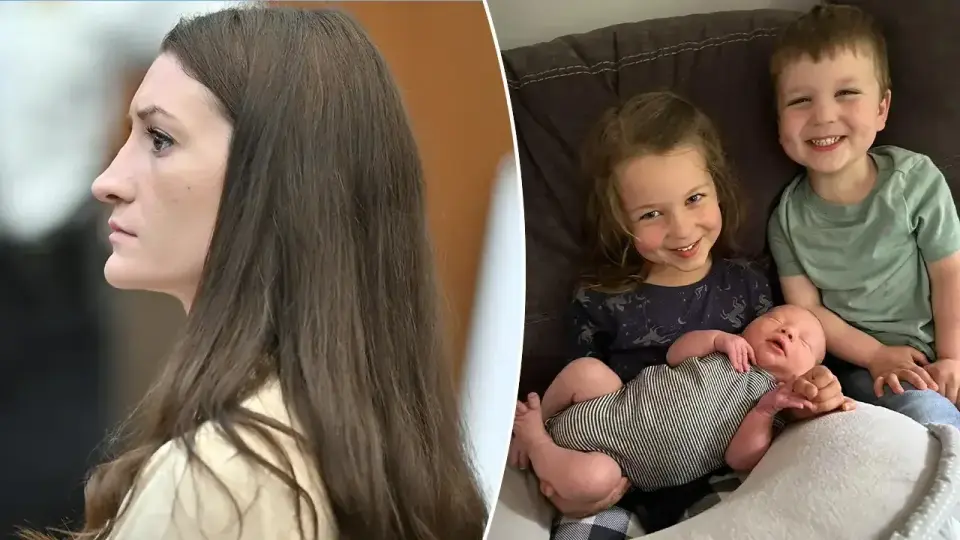
A juror in the Lindsay Clancy trial stated the panel viewed the case as an opportunity to improve outcomes for other women, a reasoning that legal analysts deem problematic. While the jury deadlocked 11-1, leading to a mistrial, experts debate whether this external motivation invalidates the process or reflects a natural inclination to hold defendants accountable.
Key points
- Juror Paula Devlin told CBS that the panel saw the trial as a chance to make things better for other women and families, framing the verdict as a form of justice for the children.
- Legal analyst Neama Rahmani called Devlin’s reasoning problematic, arguing jurors must apply the law based solely on case facts, not broader societal impacts.
- The jury deadlocked 11-1, with eight jurors favoring not criminally responsible, two undecided, and two leaning guilty, resulting in a mistrial declared by Judge William Sullivan.
- The holdout juror, who has not spoken publicly, admitted having reasonable doubt but refused to accept a not guilty by reason of insanity verdict, citing the horrific nature of the killings.
- Defense attorney Kevin Reddington claimed victory, arguing a retrial would likely result in an acquittal, while prosecutors have not yet announced plans for a new trial.
Background
Lindsay Clancy was charged with three counts of first-degree murder after strangling her three children in Duxbury, Massachusetts, in January 2023. Her defense argued she was not criminally responsible due to postpartum psychosis. The trial ended in a mistrial after seven days of deadlocked deliberations, sparking national debate over the insanity defense and jury selection, including concerns about the holdout juror’s prior domestic violence history.
How outlets are covering it
Fox News highlighted the controversy surrounding juror Paula Devlin’s statement, emphasizing legal analyst Neama Rahmani’s critique that considering external societal impacts is improper. NBC Boston focused on the emotional dynamics of the deliberations, noting the foreperson’s excitement when the holdout admitted reasonable doubt but refused to acquit. CNN provided broader context on the insanity defense, citing forensic psychologists who noted that public skepticism of mental illness defenses is common and that the holdout’s stance reflects a natural inclination to hold individuals accountable for violent acts, despite legal standards for criminal responsibility.
Why it matters
The Clancy mistrial underscores the challenges of the insanity defense in the U.S. legal system, where public sentiment often conflicts with legal standards for criminal responsibility. The case highlights the difficulty of persuading juries to accept mental illness as a defense, particularly in high-profile cases involving severe violence, and raises questions about the integrity of jury deliberations when jurors consider broader societal implications.
What to watch
Prosecutors have not yet decided whether to retry Lindsay Clancy, while defense attorney Kevin Reddington has expressed confidence in a retrial and called on President Trump for a pardon. The holdout juror remains silent, and a GiveSendGo fundraiser for him has raised over $115,000 to cover security and legal costs. The case continues to fuel national debate over mental health, accountability, and the role of juries in high-profile criminal trials.
- Lindsay Clancy juror says panel saw case as chance to 'make it better for other women' Fox News
- Lindsay Clancy juror denies bias allegations, wants 'conversation started' about women's mental health Fox News
- Exclusive: 3 Lindsay Clancy jurors speak out on holdout, prosecution, defense and more NBC Boston
- Lindsay Clancy’s holdout juror shows ongoing skepticism of the ‘insanity defense’ CNN
- Florida governor offers asylum to holdout juror in Lindsay Clancy case NewsNation
Want the full story? Read the original reporting
Read on Fox News