
Arbitrator Orders Washington Post to Reinstate Karen Attiah After Kirk-Related Firing
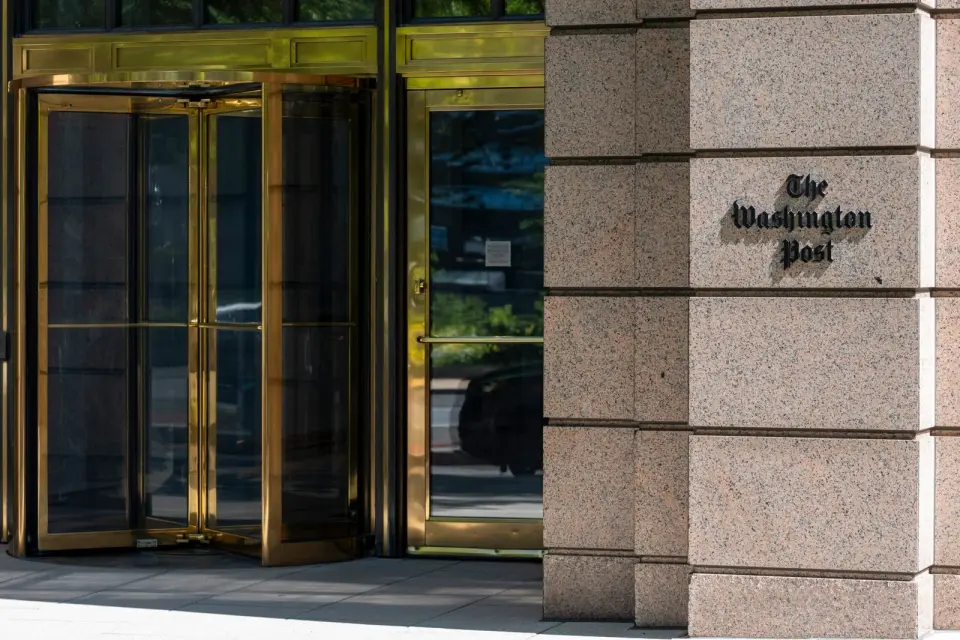
An arbitrator has ruled that The Washington Post must reinstate Karen Attiah, a Black opinion writer fired in September 2025 for social media posts regarding the death of Charlie Kirk. The ruling, issued by Sarah Miller Espinosa, found the newspaper lacked sufficient cause for termination and ordered the reinstatement of Attiah along with full back pay and lost benefits. Attiah, who was the last Black full-time member of the Post’s opinion desk, had posted on Bluesky that mourning Kirk was not equivalent to violence and warned against coddling violent white men. The Post terminated her on September 11, 2025, citing gross misconduct and safety concerns, but the arbitrator determined this violated the collective bargaining agreement. The ruling has been described as a landmark moment for press freedom by the Democracy Defenders Fund and the Washington-Baltimore News Guild, while The Washington Post stated it respects the arbitration process but declined further comment. This case highlights ongoing tensions regarding First Amendment rights and the representation of Black voices in major media outlets.
Key points
- Arbitrator Sarah Miller Espinosa ordered The Washington Post to reinstate Karen Attiah and pay full back wages and benefits.
- Attiah was fired on September 11, 2025, for Bluesky posts criticizing the mourning of Charlie Kirk and warning about the vulnerability of violent white men.
- The Post claimed Attiah’s posts violated social media policies and endangered staff safety, but the arbitrator found no gross misconduct.
- The ruling was hailed as a landmark for press freedom by the Democracy Defenders Fund and the Washington-Baltimore News Guild.
- The National Association of Black Journalists gave The Post a 'Thumbs Down Award' in August 2026 for layoffs and elimination of race beats.
Background
This case follows a broader pattern of media restructuring and labor disputes. In July 2026, Adam O’Neal, who had led a yearlong overhaul of the Post’s Opinion section under owner Jeff Bezos, departed without a successor. The firing of Attiah in 2025 was part of a wider wave of dismissals across various professions following Charlie Kirk’s death, sparking debates over First Amendment rights and the safety of journalists. The National Association of Black Journalists has consistently raised alarms about the erosion of Black voices in media, citing The Post’s recent layoffs and the elimination of specific cultural beats as evidence of this trend.
Why it matters
The arbitration ruling sets a significant precedent for press freedom and labor rights in corporate media, establishing that newspapers cannot use retaliatory discipline to silence journalists who address uncomfortable truths. It underscores the legal protections available to employees under collective bargaining agreements and highlights the ongoing struggle for Black representation and voice within major news organizations. The case also reflects the broader societal tensions surrounding free speech, political violence, and the role of media in public discourse following high-profile assassinations.
What to watch
The Washington Post is expected to comply with the arbitrator’s order to reinstate Karen Attiah and provide back pay. Attiah has indicated there is more to come regarding the case, suggesting potential further legal or public actions. The outcome may influence future labor disputes and press freedom cases in the media industry, particularly regarding the boundaries of social media expression for employees. The National Association of Black Journalists may continue to monitor and advocate for the treatment of Black journalists in major news organizations.
Want the full story? Read the original reporting
Read on WTOP