
TikTok Algorithms Fuel Global Conspiracy Theories in Lindsay Clancy Trial
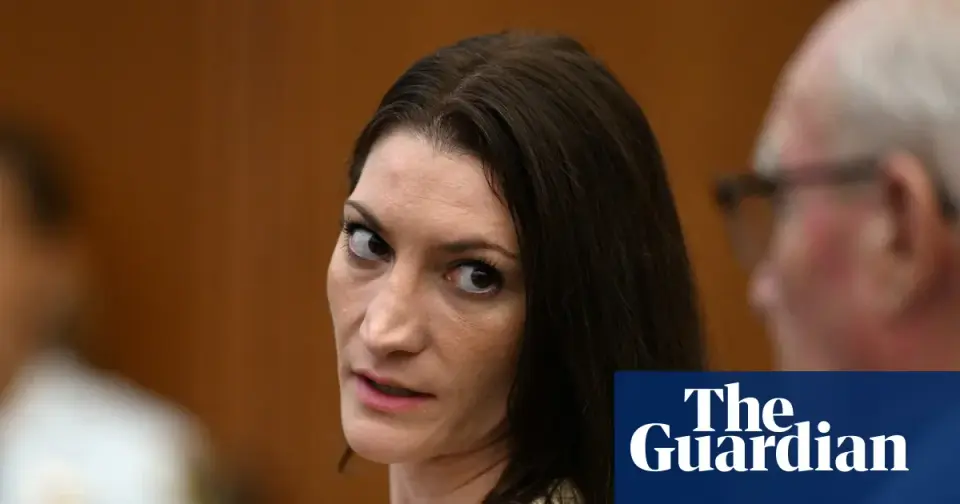
The Lindsay Clancy trial in Massachusetts has triggered a massive surge in online conspiracy theories, particularly on TikTok, where algorithms amplify content questioning the prosecution's narrative. While amateur sleuths highlight perceived discrepancies in medical evidence, experts note that these platforms prioritize engagement over accuracy, creating a feedback loop that distorts public perception. The defense has even attempted to leverage viral social media claims in court, though the judge ultimately rejected the testimony as immaterial. This case illustrates how modern algorithms can transform organic interest into a global frenzy, blurring the lines between legitimate public discourse and sensationalized misinformation.
Key points
- TikTok algorithms are amplifying conspiracy theories about the Lindsay Clancy trial, pushing content to users who may not have been initially interested in the case.
- Amateur analysts on social media are pointing to Clancy's low body temperature and her ex-husband's actions as evidence of innocence, despite a lack of legal proof.
- Defense attorney Kevin Reddington attempted to call a TikTok creator as a witness to challenge prosecution claims about mental health care, but the judge ruled the testimony immaterial.
- Experts warn that platforms optimize for engagement, causing conspiracy videos to spread more widely than they would in traditional media environments.
- The case highlights how social media can create a sense of community and purpose for users, but also risks sensationalizing real tragedies.
Background
This development follows earlier coverage of the Lindsay Clancy trial, which saw intense public debate over the focus on the victims versus the defendant's mental health. Previous reports noted that the trial had already drawn national attention as closing arguments approached, with jurors weighing whether Clancy was criminally responsible for the 2023 deaths of her three children. The current surge in social media activity represents an escalation of that public engagement, moving from general interest to active, algorithm-driven conspiracy theorizing.
Why it matters
The Lindsay Clancy case serves as a critical example of how social media algorithms can distort public understanding of legal proceedings. By prioritizing engagement, platforms like TikTok can amplify unverified claims and conspiracy theories, potentially influencing public opinion and even legal strategies. This raises concerns about the integrity of the justice system in the digital age, where misinformation can spread rapidly and be difficult to debunk. It also highlights the tension between the public's desire to participate in high-profile cases and the need to respect the facts and the victims involved.
What to watch
As the trial winds down, the focus will likely shift to the verdict and its implications for maternal mental healthcare in the United States. However, the online discourse may continue to evolve, with new content potentially emerging in response to the final decision. Legal experts may also continue to analyze the role of social media in shaping public perception of the case, and there may be further discussions about how to balance public engagement with the need for accurate information in high-profile trials.
- Social media goes into overdrive with Lindsay Clancy conspiracy theories The Guardian
- Why the Lindsay Clancy Case Is Dividing Americans The New York Times
- Live updates: Closing arguments in Lindsay Clancy trial expected this week NBC News
- The defense rests in the murder trial of Lindsay Clancy WBUR
- Lindsay Clancy killed her children. Why are so many mothers on her side? The Times
Want the full story? Read the original reporting
Read on The Guardian