
US Army Reschedules Iowa Lead Azide Detonation to Wednesday Amid Court Fight
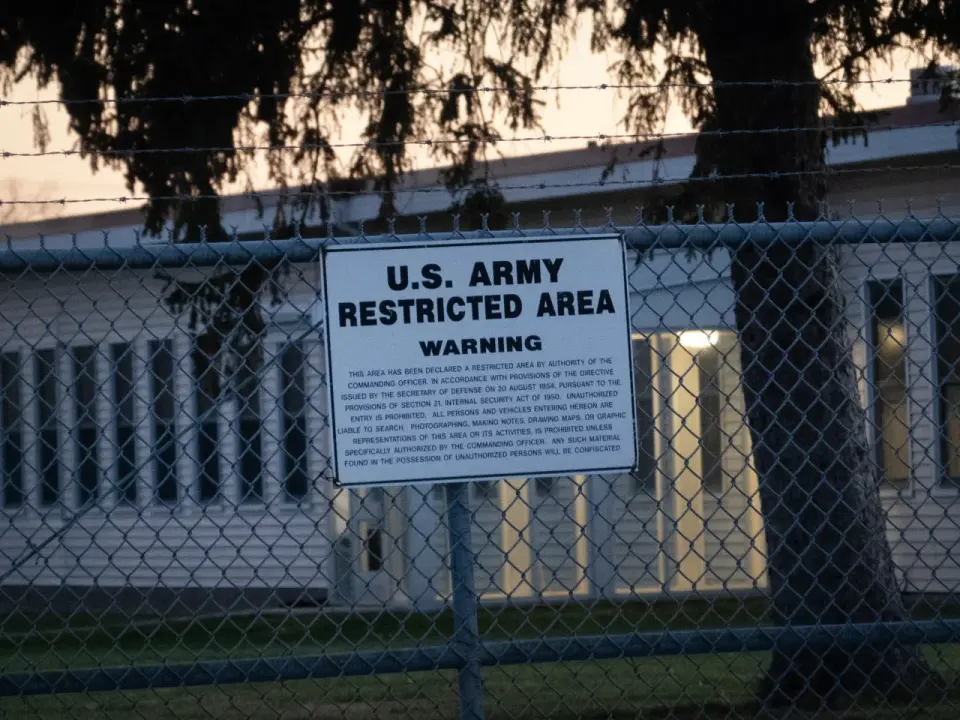
The US Army has postponed the planned controlled detonation of approximately 4.4 tonnes of unstable lead azide at the Iowa Army Ammunition Plant in Middletown to Wednesday, November 25. This delay follows a federal appeals court order suspending an EPA emergency permit and a weekend legal battle where the Justice Department argued the Army could proceed under a separate emergency exemption. Environmental groups and local officials criticize the lack of public notice and alternative disposal options, while the Army cites freezing temperatures as an imminent risk of uncontrolled explosion.
Key points
- The Army moved the detonation from Monday to Wednesday, November 25, to allow for better weather conditions and mitigation measures, according to Army.mil and KCRG.
- The 8th U.S. Circuit Court of Appeals suspended the EPA’s emergency permit on Friday, but the Justice Department filed a Saturday notice claiming the Army can proceed under a separate emergency exemption for explosives.
- The stockpile consists of 68 barrels of lead azide, containing roughly 3.1 tonnes of lead, which has become unstable due to evaporation of stabilizing liquids and the formation of needle-shaped crystals.
- Environmental groups, including the Sierra Club and Iowa Environmental Council, argue the Army overstated the emergency and failed to adequately assess safer alternatives like chemical neutralization, which was previously contracted but canceled.
- Residents in the potential plume path, including Iowa City and Cedar Rapids, were advised to shelter indoors and seal windows, though updated plume maps and evacuation details remain pending.
Background
This incident follows a series of developments in late November 2026 where the Army initially scheduled the blast for November 20, then postponed it to November 23. A federal appeals court issued a temporary stay on the EPA permit on November 21, citing concerns over public notice and health risks. The current situation escalates that legal dispute as the government attempts to bypass the permit via an emergency exemption.
How outlets are covering it
The US Army and Justice Department maintain that a controlled detonation is the only safe option, arguing that sub-freezing temperatures could trigger an uncontrolled explosion of the crystallized material. They assert that the court’s stay only affects the EPA permit, not the Army’s emergency authority. Conversely, environmental groups and legal experts from Earthjustice argue the Army is using the emergency exemption to sidestep judicial review. They contend that the material’s instability was self-inflicted through poor long-term management and that safer disposal methods were improperly rejected. Local officials, including Iowa City Manager Geoff Fruin, criticize the lack of timely communication, noting that many residents and local governments learned of the plan only through news reports or late notifications.
Why it matters
The detonation poses significant health risks due to the release of lead, a neurotoxin with no safe exposure level, which could contaminate soil, water, and crops across eastern Iowa. The legal conflict highlights tensions between federal emergency powers and environmental due process, while the potential for long-term environmental damage and public health impacts makes the outcome critical for affected communities.
What to watch
The Army is scheduled to conduct the controlled detonation on Wednesday, November 25, weather permitting. The 8th U.S. Circuit Court of Appeals is expected to review the Justice Department’s emergency exemption filing and the environmental groups’ counter-arguments. Residents in the projected plume path are advised to monitor official updates for shelter-in-place orders and potential evacuation notices.
- ‘Extremely concerning’: Inside a US Army plan to detonate Iowa lead stores Al Jazeera
- Noon Sunday deadline set in Iowa Army blast challenge; Fort Madison says detonation could come Monday or Tuesday WQAD
- UPDATE: Army says lead azide detonation will take place Wednesday KCRG
- Army update on Iowa Army Ammunition Plant Army.mil
- Army plans to detonate toxic explosives in Iowa by Tuesday without EPA permit Iowa Public Radio
Want the full story? Read the original reporting
Read on Al Jazeera