
Paraguay impeaches President Peña after Ueno Bank collapse freezes millions
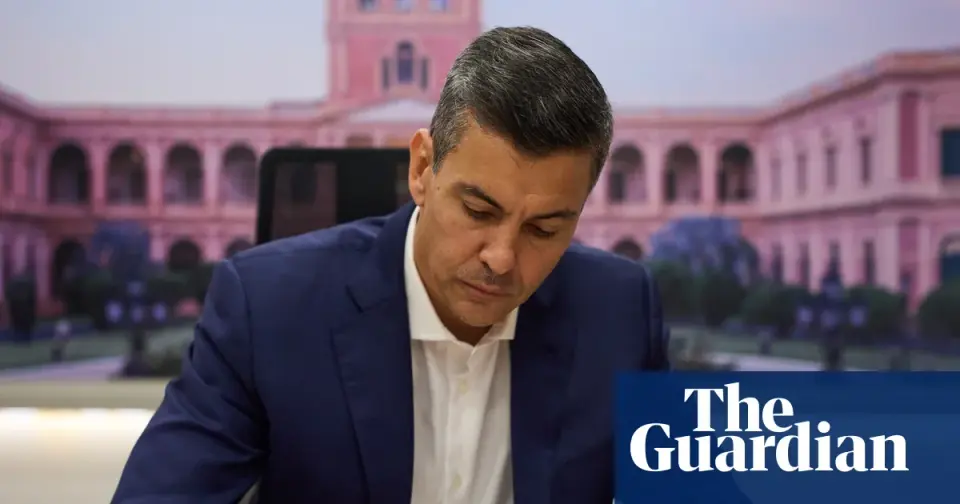
Paraguay’s Senate impeached and placed President Santiago Peña under house arrest on Friday following the collapse of digital lender Ueno Bank. The central bank seized the institution on Monday after its solvency ratio fell below legal minimums, freezing assets for nearly 3 million customers, or 60% of the adult population. Peña, who held shares in Ueno’s parent company until 2025, faced charges of influence peddling and misappropriation of funds. Vice President Pedro Alliana assumed office, promising to compensate depositors, while the country faces a severe economic shock with sales dropping up to 80%.
Key points
- The central bank ordered Ueno Bank into resolution on Monday after finding its capital was less than half the legal requirement, freezing accounts for nearly 3 million people.
- The Senate voted 44-0 to impeach President Santiago Peña on Friday, stripping him of immunity and placing him under house arrest to face criminal trials in ordinary courts.
- Peña is accused of illicit enrichment, money laundering, and influence peddling regarding his ties to Ueno’s parent company, Grupo Vazquez, though he denies wrongdoing.
- A guarantee fund covers deposits up to $38,000, protecting 97% of customers, but payments have only begun for small accounts under $1,565, leaving many without access to funds.
- The crisis has caused a sharp economic downturn, with businesses reporting sales drops of up to 80% and 32,000 pensioners losing their monthly payments.
Background
Paraguay has a history of banking failures, including a major crisis in the 1990s involving insider lending. Ueno Bank, established in 1976, remained obscure until 2023 when it received a full banking license under Peña’s administration. It rapidly expanded to become the primary bank for most Paraguayans, sponsoring the national football team and major clubs. The current crisis is the second impeachment of a Paraguayan president since 1989.
How outlets are covering it
The Guardian emphasizes the human impact, quoting citizens who cannot afford basic necessities, and highlights the political shift from Peña being a market favorite to facing mass protests. BBC focuses on the procedural aspects of the impeachment, noting that lawmakers rejected Peña’s resignation to strip him of lifetime Senate immunity. Al Jazeera provides historical context, comparing the Ueno collapse to previous banking crises in Paraguay and other countries, and details the specific regulatory failures, such as $146m in insider loans. CNN highlights the international dimension, noting Peña’s close ties to the US administration, and details the criminal investigations opened by the Attorney General. All sources agree on the core facts of the bank’s seizure and Peña’s removal, but differ in emphasis on the economic fallout versus the political maneuvering.
Why it matters
The collapse of Ueno Bank represents a systemic failure in Paraguay’s financial sector, exposing deep ties between political leadership and private banking. The freezing of millions of accounts has triggered a severe economic contraction and social unrest, challenging the stability of the country’s recent investment-grade status. The impeachment of the president signals a potential shift in political power and a crackdown on corruption, but the long-term recovery of public trust in the banking system remains uncertain.
What to watch
Peña will face criminal proceedings in ordinary courts, with his first questioning scheduled for Saturday. The central bank is processing guarantee payments in stages, starting with small accounts. The interim government, led by Pedro Alliana, must manage the economic fallout and restore confidence in the financial system. Further investigations into the placement of public funds and the actions of other officials are ongoing.
- ‘Very strange, very sad’: Paraguay bank collapse fells a presidency and leaves millions broke The Guardian
- Paraguay's President Santiago Peña impeached and under house arrest BBC
- How Paraguay’s Ueno collapse is only its latest banking crisis Al Jazeera
- Paraguay president impeached and under house arrest following bank collapse scandal CNN
- Paraguay swears in new president as Peña is put under house arrest Reuters
Want the full story? Read the original reporting
Read on The Guardian