
Dan Driscoll Resigns as Army Secretary After Pentagon Power Struggle
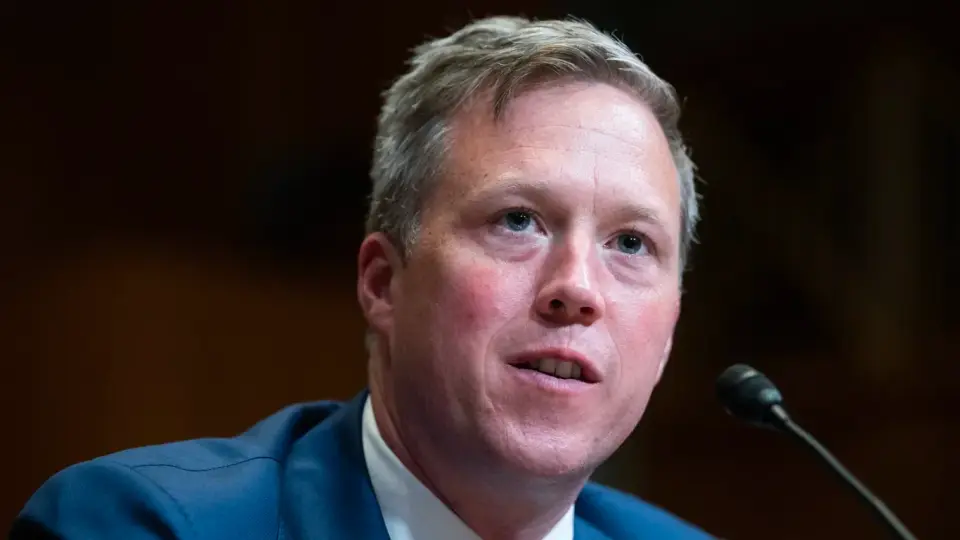
U.S. Army Secretary Dan Driscoll has submitted his resignation to President Donald Trump, ending a tenure marked by significant friction with Defense Secretary Pete Hegseth. Driscoll, the youngest Army Secretary in U.S. history, served from February 2025 until late August 2026. While the White House praised his contributions to military readiness and Russia-Ukraine negotiations, his departure follows a series of high-profile leadership exits at the Pentagon, including those of Navy Secretary John Phelan and Army Chief of Staff Gen. Randy George. The resignation highlights deep internal divisions within the Trump administration’s defense leadership, particularly regarding modernization priorities and personnel decisions.
Key points
- Dan Driscoll submitted his resignation to President Trump on August 31, 2026, with the White House accepting the move.
- The departure follows repeated clashes with Defense Secretary Pete Hegseth, including disputes over officer promotions and the firing of senior advisers.
- Driscoll, who served as a negotiator in Russia-Ukraine peace talks, was praised by the White House for advancing the 'Make America Strong Again' agenda.
- His exit is part of a broader wave of Pentagon leadership changes, following the departures of Navy Secretary John Phelan and Army Chief of Staff Gen. Randy George.
- Driscoll’s tenure was supported by Vice President JD Vance, whose friendship helped shield him from Hegseth’s influence despite their professional tensions.
Background
Dan Driscoll’s rise to Army Secretary was rapid, confirmed in February 2025 after gaining support from 16 Democrats during the confirmation process. He was known for his focus on military modernization, particularly drone technology, and for engaging media outside the traditional Pentagon press pool. His role expanded to include diplomatic duties, such as presenting a U.S. peace plan in Ukraine in November 2025, making him the highest-ranking administration official to undertake such a trip. The resignation occurs amid a period of significant leadership turnover at the Pentagon, including the earlier departures of Navy Secretary John Phelan and Army Chief of Staff Gen. Randy George, reflecting broader instability in defense leadership during the Trump administration’s second term.
How outlets are covering it
Axios emphasizes Driscoll’s role as a 'Trump 2.0 power player' and his diplomatic contributions to Russia-Ukraine negotiations, while also noting the tension with Hegseth over the removal of four officers from a promotions list. The Washington Post frames the resignation as the result of 'repeated clashes' with Hegseth, highlighting Driscoll’s potential as a replacement for the Defense Secretary before his departure. CNN focuses on the broader context of Pentagon leadership shakeups, linking Driscoll’s exit to the removals of Phelan and George. NBC News underscores Driscoll’s bipartisan support and his close association with Vice President JD Vance, noting that he had expressed a desire to leave by Labor Day. All outlets agree on the core facts of the resignation and the White House’s praise for Driscoll, but differ in emphasis: Axios and The Post focus on the Hegseth-Driscoll conflict, while CNN and NBC News contextualize the move within broader Pentagon instability and Driscoll’s political alliances.
Why it matters
Driscoll’s resignation signals a significant shift in the Trump administration’s defense leadership, potentially affecting military modernization efforts and U.S. diplomatic engagements in Ukraine. His departure, following those of other high-ranking officials, raises questions about the stability and coherence of defense policy under the current administration. The White House’s praise for Driscoll contrasts with the reported tensions, suggesting a complex dynamic between the President, Vice President, and Defense Secretary that may influence future appointments and policy directions in the military.
What to watch
The White House is expected to announce a replacement for Driscoll in the coming days. The resignation may prompt further scrutiny of the Defense Department’s leadership structure and its approach to military modernization and international negotiations. Given the broader pattern of Pentagon departures, there may be increased pressure on the administration to stabilize its defense leadership and clarify its strategic priorities, particularly in light of ongoing conflicts and diplomatic efforts.
- Army Secretary Dan Driscoll resigns from post Axios
- Army secretary submits resignation to Trump after repeated clashes with Hegseth The Washington Post
- Army Secretary Dan Driscoll submits resignation after tension with Hegseth cnn.com
- Army Secretary Dan Driscoll submits resignation to White House NBC News
- Army Secretary Dan Driscoll is stepping down after 18 months on the job, White House says Yahoo
Want the full story? Read the original reporting
Read on Axios