
Alberta voters reject independence path in 76% majority, but separatists vow to continue
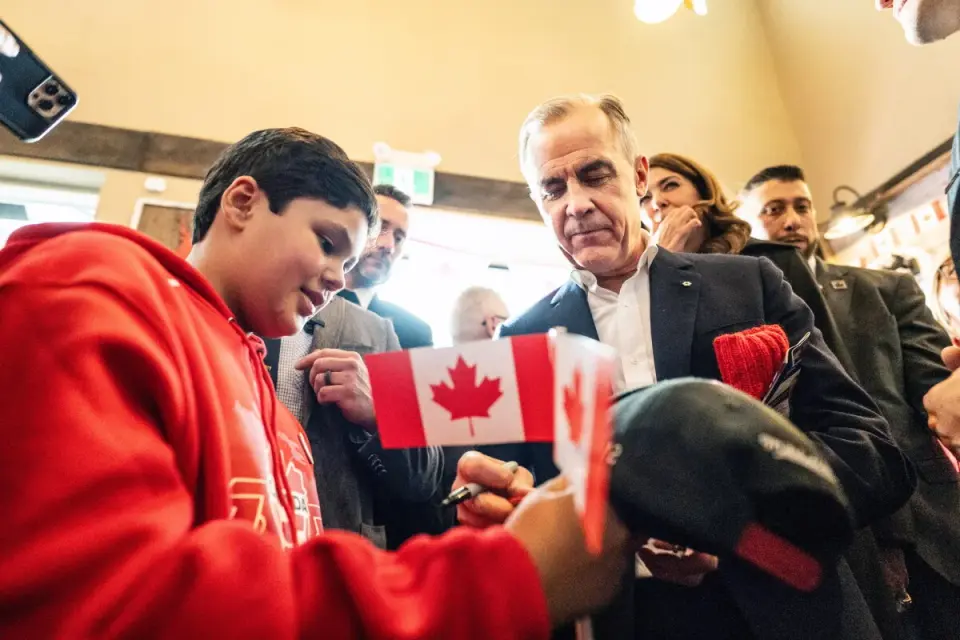
Alberta voters have decisively rejected a move toward independence from Canada. Preliminary results show that 76% of voters chose to remain in the federation, while 23% supported initiating a legal process for a future separation vote. The non-binding referendum also included nine questions on provincial autonomy, several of which are expected to pass. Prime Minister Mark Carney celebrated the result as a clear choice for unity, while separatist leaders acknowledged the defeat but stated they will continue campaigning to address provincial grievances.
Key points
- 76% of Albertans voted to remain in Canada, with 23% supporting a path toward a binding separation referendum.
- The vote was non-binding; it decided whether to initiate a legal process for a future independence vote, not independence itself.
- Nine additional questions on provincial autonomy, including immigration, were also put to voters, with several likely to pass.
- Separatist leaders, including Mitch Sylvestre and Jeffrey Rath, called the result a setback but vowed to continue their campaign.
- Prime Minister Mark Carney praised the outcome, linking it to Canada's need for unity amid US trade tensions.
Background
The referendum followed months of campaigning and a court decision that blocked a pro-separation petition due to lack of Indigenous consultation. Premier Danielle Smith lowered the petition threshold to allow the vote to proceed. The debate was fueled by long-standing 'western alienation' grievances over federal fiscal transfers, environmental policies, and pandemic-era mandates. The vote occurred amid heightened US-Canada trade tensions, with President Trump previously threatening to treat Canada as a '51st state.'
How outlets are covering it
AP News highlighted mixed voter motivations, with some supporting the vote as a message to Ottawa despite opposing independence, while others criticized the timing amid US threats. BBC emphasized the decisive nature of the defeat for separatists and the potential for future political friction between Premier Smith and PM Carney. Yahoo focused on the nine autonomy questions, suggesting immigration and other provincial powers may be the real outcome of the vote. All sources agreed the separatist movement is not finished, with leaders citing Quebec's history as a model for future leverage.
Why it matters
The result preserves Canadian national unity but exposes deep provincial grievances that could shape federal-provincial relations for years. The autonomy questions may lead to new powers for Alberta, potentially altering the balance of power in Canada. The outcome also impacts Canada's ability to navigate US trade pressures, as a united front is seen as critical to resisting external influence.
What to watch
Separatist leaders plan to continue campaigning, potentially seeking to form a provincial government with a sovereigntist platform, similar to Quebec's Parti Quebecois. The results of the nine autonomy questions will determine new provincial powers. Tensions between Premier Smith and PM Carney may grow if Smith's gamble on the referendum backfires politically. A future binding referendum remains possible if separatists gain enough political traction.
- Alberta rejects a move toward independence from Canada in a victory for Carney AP News
- Voters in Oil-Rich Alberta Reject Leaving Canada The New York Times
- Huge setback for Alberta's separatist movement after decisive defeat BBC
- Prime Minister Carney 'thrilled that Albertans have chosen unity' CBC
- Alberta nixes independence - but immigration is the real story Yahoo
Want the full story? Read the original reporting
Read on AP News