
Alberta voters reject secession path, 76% choose to remain in Canada
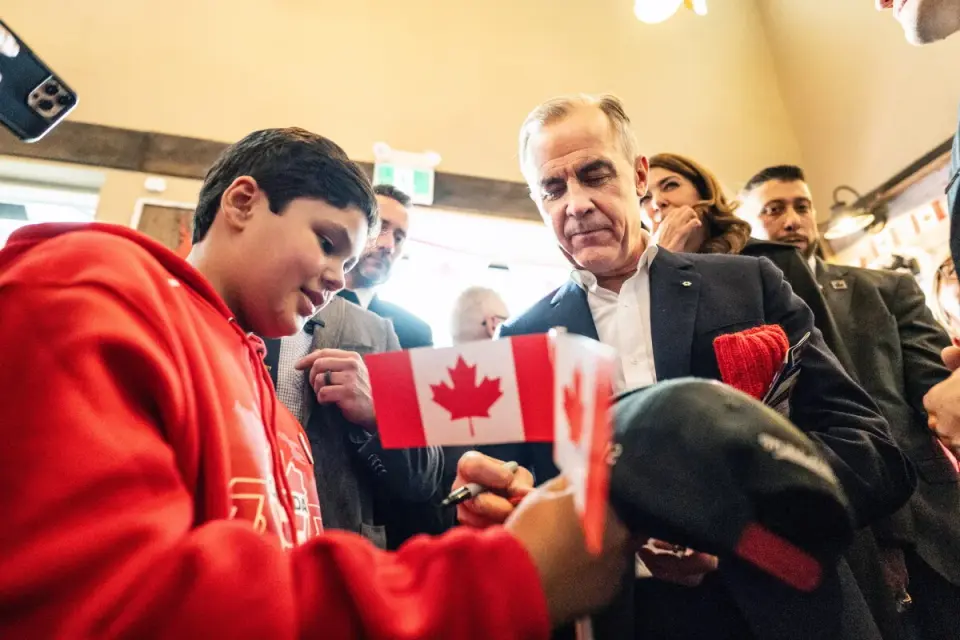
Albertans voted overwhelmingly to remain in Canada, rejecting a move toward independence. Roughly 76% of voters chose to stay in the federation, while about 24% supported initiating a legal process for a future separation vote. The result, confirmed early Tuesday, delivers a significant victory for Prime Minister Mark Carney and federalists, who framed the vote as a defense of national unity against US interference. Although the separatist movement suffered a major setback, leaders indicated the campaign is not over, with some arguing the vote exposed deep provincial grievances. The outcome occurs amid ongoing trade tensions with the US and a broader push for Canada to diversify its economy.
Key points
- 76% of Albertans voted to remain in Canada, with 24% supporting a process toward separation, according to unofficial results.
- The vote was not a direct referendum on independence but a decision on whether to begin legal steps for a future binding vote.
- Prime Minister Mark Carney hailed the result as a choice for unity, stating Albertans chose to 'build together' and 'take care of each other.'
- Separatist leaders, including Keith Wilson, acknowledged the defeat but argued the movement had 'won' by forcing a national conversation on Alberta's treatment.
- The referendum included nine other questions on issues like immigration and healthcare, with results for those expected to take days to count.
- Advance voting reached 1.3 million Albertans, suggesting higher turnout than the 2021 referendum, despite logistical delays at over 100 polling stations.
Background
This vote followed months of rising tensions between Alberta and the federal government, exacerbated by US President Donald Trump's threats regarding Canadian sovereignty. Separatists had courted US support, with Treasury Secretary Scott Bessent calling Alberta a 'natural partner' for the US. Prior polls indicated 20-25% support for a binding separation vote, driven by grievances over federal fiscal transfers and pipeline restrictions. The 2025 federal election victory by Carney's Liberal Party also fueled separatist rhetoric, which argued the federal government was out of control. The October 19 vote was the first plebiscite of its kind in Canada since the 1995 Quebec referendum.
How outlets are covering it
AP News and CNN emphasized the decisive nature of the 76% result, framing it as a clear rejection of secession and a victory for national unity. CNN highlighted the US connection, noting that separatist leaders had met with Trump administration officials, and that the vote sent a message that 'Canada is not up for grabs.' The Guardian focused on the political implications for Alberta Premier Danielle Smith, noting that the referendum had become a liability for her United Conservative Party, whose support had tumbled. Axios pointed out that while the vote was a setback for separatists, a majority of Albertans believe the movement will not vanish, and that the vote exposed deep divisions. All sources agreed that the result was a win for Prime Minister Carney, who had campaigned heavily against separation, warning it was a 'dangerous bluff' that would lead to uncertainty.
Why it matters
The result stabilizes Canadian national unity at a critical time, allowing the federal government to focus on diversifying trade and infrastructure without the distraction of a potential secession crisis. It also signals to the US that Canada is a solid, unified country, potentially reducing the leverage of US officials who had encouraged separatist sentiment. For Alberta, the vote may force the federal government to address provincial grievances regarding fiscal transfers and energy policy, as separatist leaders argued that 24% of voters felt the province needed to be treated better. The outcome also impacts the political future of Danielle Smith, who must now navigate a party that is split between federalists and separatists, and a province that is largely opposed to independence but frustrated with Ottawa.
What to watch
The full results for the other nine questions on the ballot, covering immigration, healthcare, and constitutional powers, are expected to take days to count. Separatist leaders, including Keith Wilson, have indicated they will continue their push for independence, viewing the vote as a long-term project. Prime Minister Carney plans to use the result to accelerate efforts to diversify trade and develop major infrastructure projects, positioning Alberta as the center of a global energy powerhouse. Danielle Smith will likely face pressure to address the grievances that fueled the separatist movement, even as she must maintain support within her party. The US may reassess its stance on Canada following the clear rejection of secession by Albertans.
- Alberta voters reject a move toward independence in referendum backing Canadian unity AP News
- Voters in Oil-Rich Alberta Reject Leaving Canada The New York Times
- Albertans reject push for independence from Canada Axios
- Alberta voters reject plan for referendum to leave Canada The Guardian
- Alberta rejects secession referendum, chooses to remain part of Canada, CBC projects CNN
Want the full story? Read the original reporting
Read on AP News