
Architect Resigns After Trump Dismisses Ballroom Safety Concerns
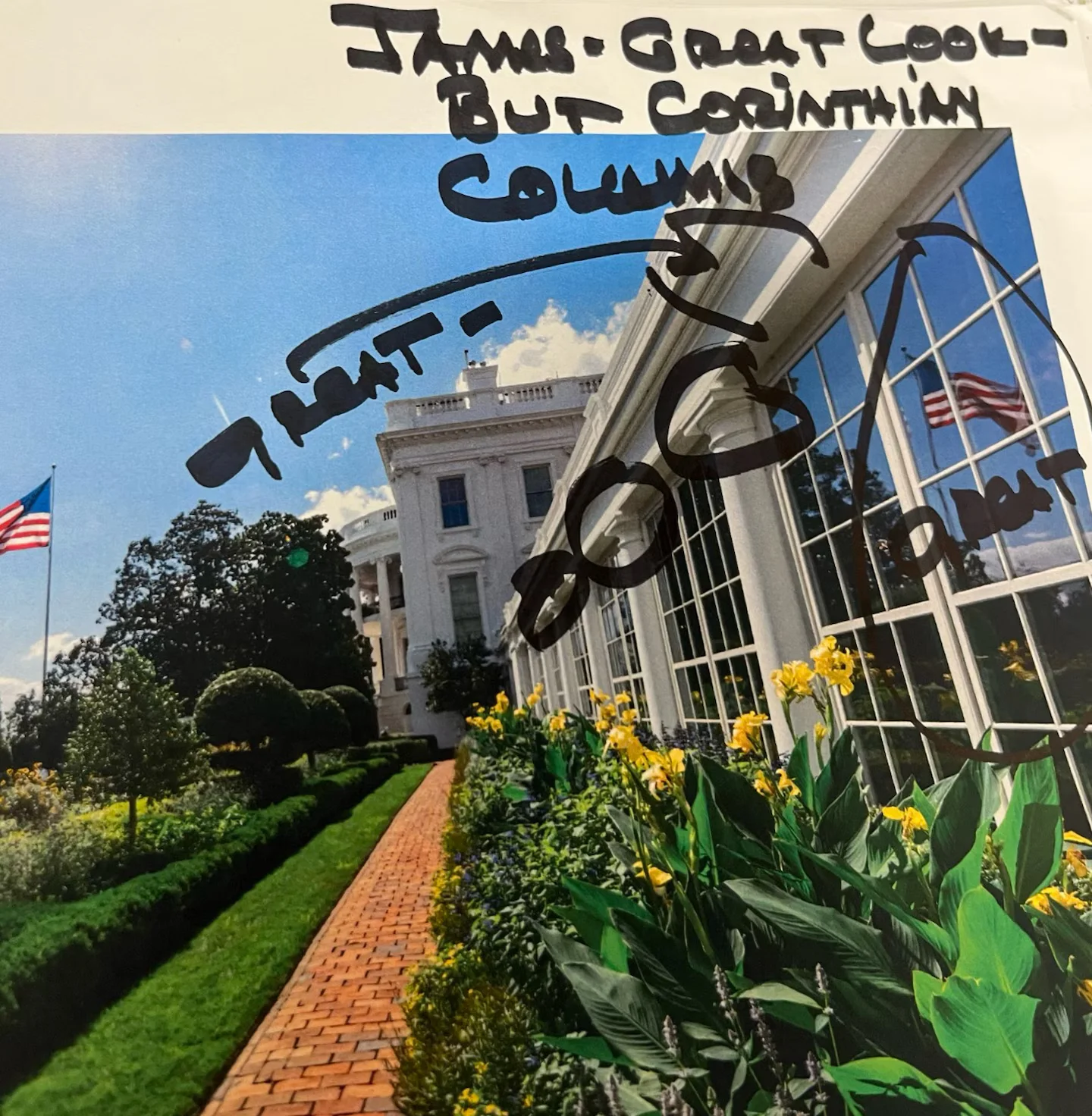
The first architect of the White House ballroom, James McCrery II, resigned in October 2025 after clashing with President Donald Trump over design features that McCrery believed violated fire and safety codes. Trump reportedly dismissed these concerns, stating that building codes did not apply to the White House and asserting that 'I am the code.' The project, which has faced legal challenges over its authorization and scale, is being managed through the Executive Residence office, which is not subject to the same federal agency oversight as other government construction projects.
Key points
- James McCrery II, the initial architect for the White House ballroom, resigned in October 2025 after warning that preliminary designs lacked sufficient emergency exits and fire-safety measures.
- President Trump reportedly rejected McCrery's safety concerns, claiming that building codes do not apply to White House construction and stating 'I am the code.'
- The ballroom project is managed by the Executive Residence, a small office not considered a federal agency, allowing it to bypass standard federal construction protocols and safety standards.
- Trump has been closely involved in design details, including marking up plans with a Sharpie and insisting on specific aesthetic features like Corinthian-style columns, according to documents reviewed by The Washington Post.
- The White House denied that McCrery's departure was related to building codes, stating that aesthetics have never outweighed safety standards.
Background
This development follows a series of legal battles over the White House ballroom, a $400 million, 90,000-square-foot project that has been the subject of Supreme Court petitions and lower court rulings. Previous coverage noted that the project is approximately 65% complete, with underground components continuing despite injunctions on above-ground work. The legal disputes have centered on whether the president has the authority to undertake such renovations without congressional approval, with some courts ruling that the president is a temporary tenant of the White House.
How outlets are covering it
The Washington Post and Anadolu Ajansı both report on the clash between Trump and McCrery, highlighting the president's dismissal of safety concerns and his assertion that building codes do not apply. The Post provides detailed evidence, including documents and images marked up by Trump, while Anadolu Ajansı summarizes the key points of the report. Raw Story, in contrast, focuses on Trump's mocking of the architect's concerns with an absurd map, emphasizing the president's dismissive attitude toward the project's challenges. The perspectives differ in their emphasis, with The Post and Anadolu Ajansı focusing on the safety and legal implications, while Raw Story highlights the personal and political dynamics of the clash.
Why it matters
This story underscores the ongoing tensions between the executive branch and federal regulations regarding construction and safety standards. The bypassing of standard federal protocols through the Executive Residence office raises questions about accountability and oversight in major government projects. Additionally, the legal battles over the ballroom's authorization and scale reflect broader debates about the limits of presidential power and the role of Congress in approving significant renovations to federal properties.
What to watch
The Supreme Court is expected to weigh the next steps in the challenge filed by the National Trust for Historic Preservation, which argues that the president lacked authority for the ballroom project. The outcome of this case could have significant implications for the future of the ballroom and other presidential initiatives. Additionally, the White House may face further scrutiny over the safety and compliance of the project, particularly if the legal challenges continue to mount.
- ‘I am the code’: Trump clashed with ballroom architect over safety issues The Washington Post
- "I am the code": Trump clashed with ballroom architect over safety issues -Washington Post TradingView
- Trump mocked architect's project concerns with absurd map: 'You think we're big?' rawstory.com
- Trump clashed with White House architect over safety features: Report Anadolu Ajansı
- Trump drew around 'life safety' concerns in ballroom plans with trademark Sharpie: report rawstory.com
Want the full story? Read the original reporting
Read on The Washington Post