
Army Secretary Driscoll Resigns Amid Hegseth Clash Over Military Modernization
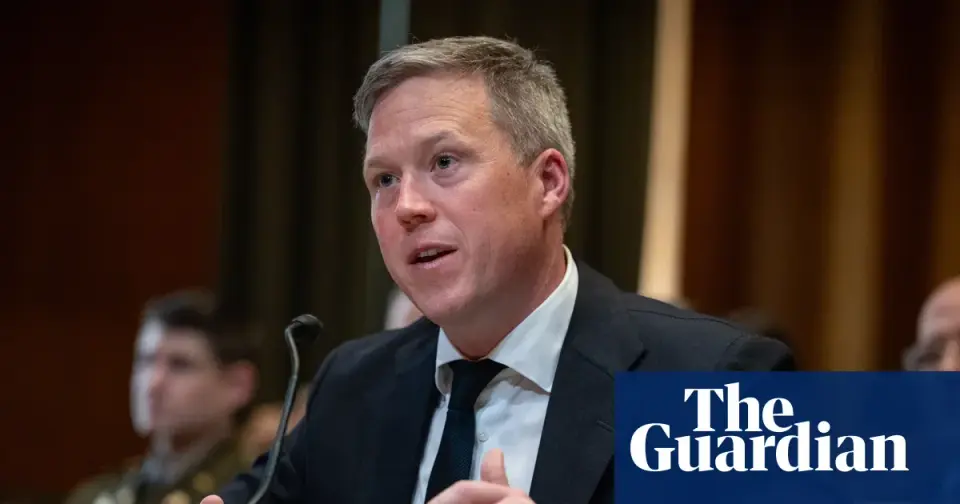
US Army Secretary Dan Driscoll has submitted his resignation to President Donald Trump, marking the latest high-profile departure from the Department of Defense. The move, first reported by the Wall Street Journal, follows months of reported friction between Driscoll and Defense Secretary Pete Hegseth. While the White House praised Driscoll’s contributions to military readiness and Ukraine negotiations, sources indicate the split stemmed from disagreements over personnel decisions and the pace of Army transformation. Driscoll, a close ally of Vice President JD Vance, is expected to leave the Pentagon in the coming days.
Key points
- Driscoll, the youngest Army Secretary in US history, handed his resignation to President Trump on Monday, though the White House has not yet formally accepted it.
- The departure follows a period of turmoil at the Pentagon, including the ousting of Army Chief of Staff Gen. Randy George in April and the unexpected exit of Gen. Christopher Donahue in June.
- Driscoll served as a key negotiator in Russia-Ukraine peace talks and pushed for rapid modernization of drone capabilities by cutting red tape for military contractors.
- He was confirmed by the Senate in February 2025 with a 66-28 vote, receiving support from 16 Democrats despite concerns about his experience.
- The White House statement highlighted his role in advancing the 'Make America Strong Again' agenda and improving military lethality.
Background
Driscoll’s tenure was marked by a meteoric rise in the Trump administration, where he was described as a 'disruptor and change agent.' His background includes service as an Iraq War veteran, a tech investor, and a former adviser to JD Vance, whom he met at Yale Law School. In November, he traveled to Ukraine to present a US peace plan, an unusual diplomatic role for an Army Secretary. His exit adds to a series of leadership changes at the Pentagon, including the earlier departure of Navy Secretary John Phelan, and occurs against a backdrop of ongoing conflicts in the Middle East and Europe.
How outlets are covering it
The White House, through spokesperson Anna Kelly, framed Driscoll’s departure positively, emphasizing his effectiveness in advancing the president’s agenda and his contributions to military readiness and Ukraine negotiations. In contrast, Fox News and sources familiar with the matter highlighted internal friction, stating that Driscoll raised concerns about Hegseth hindering Army transformation and readiness. Specifically, Fox News reported that Driscoll objected to Hegseth firing generals responsible for modernization efforts. Axios noted that tensions escalated when Hegseth allegedly removed four officers from a promotions list after Driscoll refused to do so, and when Hegseth forced the ouster of Driscoll’s senior adviser, Col. David Butler. The New York Times, while covering unrelated G20 and Iran war developments, did not provide specific commentary on the resignation but noted the broader context of US-Iran tensions and global economic instability. The Guardian focused on the reported friction and the broader turmoil at the defense department, including leak investigations and budget issues.
Why it matters
Driscoll’s resignation signals deepening internal divisions within the Trump administration’s defense leadership, potentially impacting the pace of military modernization and diplomatic efforts in Ukraine. As the youngest Army Secretary, his departure may affect the administration’s ability to implement rapid changes in military capabilities, particularly in drone technology and contractor efficiency. The friction with Hegseth also raises questions about the coherence of the administration’s defense strategy, especially amid ongoing conflicts and global economic challenges. For the military, the loss of a key figure who championed readiness and lethality could slow progress in adapting to new warfare paradigms.
What to watch
The White House is expected to formally accept Driscoll’s resignation in the coming days, after which a successor may be nominated. The administration will likely continue its push for military modernization, but the loss of Driscoll’s influence may slow efforts to cut red tape for contractors and expand drone capabilities. Diplomatic efforts in Ukraine may also be affected, as Driscoll played a key role in peace negotiations. The Pentagon may face further leadership changes as tensions between civilian and military officials persist, potentially impacting readiness and budget priorities.
- US army secretary Dan Driscoll resigns over reported friction with Pete Hegseth theguardian.com
- Trump Live Updates: Army Secretary Resigns and Supreme Court Allows Ballroom Construction The New York Times
- Exclusive | Army Secretary Resigns After Months of Friction With Hegseth WSJ
- Army Secretary Dan Driscoll submits resignation to Trump foxnews.com
- Army Secretary Dan Driscoll resigns from post Axios
Want the full story? Read the original reporting
Read on theguardian.com