
Bipartisan backlash and market skepticism mount against Trump's Russian diesel accord
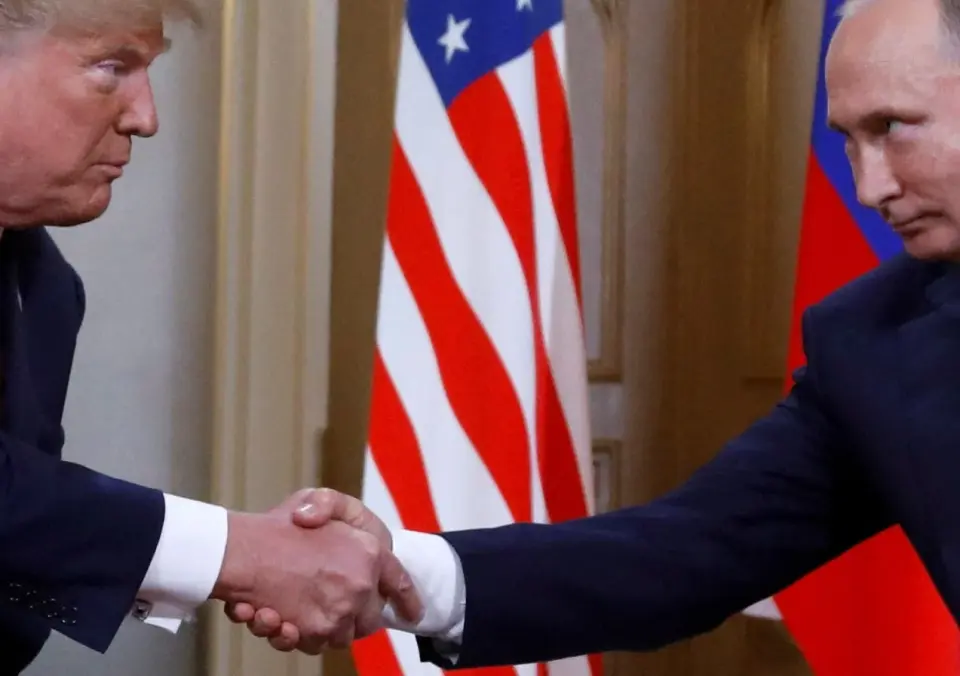
President Trump defended a temporary lifting of sanctions on Russian diesel to lower US fuel prices, but faced immediate bipartisan opposition. Seven senators, including four Republicans, argued the move violates 2022 laws and funds Russia's war in Ukraine. While the administration claims the deal will help voters ahead of midterms, analysts doubt it will significantly lower prices, and oil markets remained volatile amid conflicting reports on an 'energy ceasefire.'
Key points
- The Treasury Department temporarily lifted sanctions on Russian diesel on Friday, allowing imports until April, following an agreement with Vladimir Putin.
- Seven senators from the Foreign Relations Committee, including four Republicans and three Democrats, issued a statement demanding the administration reverse the decision, citing the 2022 ban on Russian energy imports.
- Trump defended the move on Truth Social, claiming it was the 'right choice' for Americans, while critics like Sen. Thom Tillis and former VP Mike Pence warned it provides a financial lifeline to Moscow.
- Analysts question the deal's efficacy, noting that initial shipments are modest relative to global markets and that logistical hurdles may delay price reductions.
- Brent crude prices rose to $106.65 per barrel on Monday, driven by uncertainty over the deal and a Houthi attack in Saudi Arabia, contradicting the administration's goal of lowering energy costs.
Background
This development follows the Trump administration's announcement on October 9 to import 300,000 tons of Russian diesel, with plans for increased shipments in November. Previous coverage highlighted a deepening transatlantic rift, with European allies and Ukrainian President Volodymyr Zelensky condemning the move as a violation of sanctions and a boost to Russia's war effort. The current backlash represents an escalation of internal US political opposition, moving from diplomatic criticism to potential legislative action.
How outlets are covering it
The Washington Post emphasizes the bipartisan nature of the opposition, highlighting that even prominent Republicans like Sen. Jerry Moran and Rep. Don Bacon criticized the move as 'weak on Putin.' CNN frames the deal as part of a broader pattern of Trump's 'coercive and transactional' foreign policy, linking it to other controversial actions like public executions and deportation crackdowns. CNBC focuses on the economic reality, noting that oil prices rose despite the deal and that analysts doubt the modest shipments will lower pump prices. While the Post and CNN highlight the political and moral backlash, CNBC underscores the market's skepticism regarding the deal's practical impact on inflation.
Why it matters
The controversy highlights the tension between domestic economic pressures, specifically high fuel costs ahead of midterm elections, and international obligations regarding sanctions against Russia. The bipartisan opposition suggests a potential shift in the Republican base's tolerance for accommodating Moscow, while the failure to lower oil prices may undermine the administration's economic narrative. The legal challenges and diplomatic fallout could further strain US alliances with NATO partners and Ukraine.
What to watch
Rep. Brian Fitzpatrick is expected to introduce legislation to block all purchases of Russian oil. The administration must decide whether to maintain the temporary sanctions waiver or reverse course in light of the bipartisan pressure. Oil markets will continue to react to supply uncertainties, including the Houthi attacks in Saudi Arabia and the disputed 'energy ceasefire' between Russia and Ukraine. The midterm elections in November will serve as a referendum on the administration's handling of energy prices and foreign policy.
- Trump faces stiff bipartisan pushback to Russian diesel import deal The Washington Post
- Russia deal, execution plans and deportations tell a defining tale about Trump and power CNN
- CNBC Daily Open: Trump defends diesel deal CNBC
- Trump Gives Putin a Hand in Russia’s Economic War With Ukraine The New York Times
- Why Trump’s Diesel-Supply Deal With Russia Won’t Ease Fuel Prices Much WSJ
Want the full story? Read the original reporting
Read on The Washington Post