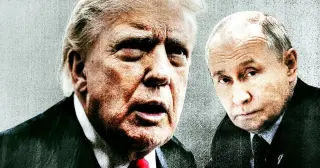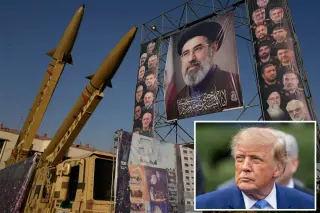
Trump told PBS that Iran would not receive sanctions relief in exchange for surrendering highly enriched uranium, as U.S.-Iran talks continue amid broader regional diplomacy connected to the Abraham Accords.
President Donald Trump convened his Cabinet at a moment of delicate Iran negotiations, signaling an effort to push a deal to end the war while some backers warn concessions could embolden Tehran.
The United States is close to a deal with Iran that would end the war, reopen the Strait of Hormuz, and require Iran to surrender its stockpile of highly enriched uranium, with a 60‑day negotiation window and sanctions relief tied to compliance; Trump urged not to rush, while talks include demining Hormuz, waivers to allow oil sales, and potential broader regional implications involving Israel and Hezbollah.
The piece argues that despite hints of rebuilding Cuba, any serious revival would require massive private investment, a functioning legal and banking framework, and sweeping policy changes after decades of sanctions; with no single dominant industry, a decayed private sector, and ongoing lawsuits over seized property, investors are wary, and meaningful change would likely need congressional action and significant political reform before US companies will commit.
Oil futures slid below $100 a barrel after talks of a possible revived Iran nuclear deal sparked market bets on higher supply, with investors weighing geopolitical risk against potential oil output changes.
The United States is close to a deal with Iran that would end the war, reopen the Strait of Hormuz, and require Iran to surrender its stockpile of highly enriched uranium, with a 60‑day window to determine how enrichment is reduced and how sanctions relief is granted. President Trump says negotiations are orderly and cautions against rushing, as talks progress amid regional tensions and competing demands.
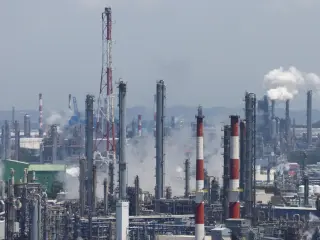
Ukraine’s Security Service (SBU) says it struck the Vtorovo fuel-pumping station in Russia’s Vladimir Oblast as part of a broader “long-range sanctions” campaign aimed at disrupting Russia’s fuel logistics to central regions and Moscow; the drone strike caused a large fire at the Transneft facility, and officials say such attacks are part of a wider effort to degrade Russia’s energy distribution with plans to intensify operations.
Trump says a memorandum of understanding to end the US-Israel war on Iran is largely negotiated, outlining a 60‑day ceasefire during which the Strait of Hormuz would be opened, Iran could freely sell oil, and talks on limiting Iran’s nuclear program would take place; the US would lift its blockade on Iranian ports and some Iranian assets would be unfrozen, with mines removed from the strait and no tolls for ships. Hostilities would reportedly halt on all fronts, though crucial details remain unclear and Tehran’s control of Hormuz is disputed by Iranian media; the potential handover of enriched uranium and other issues like ballistic missiles are not currently included in the preliminary outline.
White House officials say a final Iran deal isn’t imminent and could take several days for Tehran’s leadership, including the supreme leader, to approve, with ongoing talks over sanctions relief in exchange for limits on enrichment, disposal of Iran’s uranium stockpile, and how long any enrichment moratorium would last, while allies watch closely and Trump urges patience.
The U.S. and Iran are close to signing a 60-day memorandum of understanding that would reopen the Strait of Hormuz, allow Iran to sell oil, and ease some sanctions in exchange for Iran’s commitments on its nuclear program, with negotiations to suspend enrichment and remove stockpiles to follow in a final agreement. The draft also envisages an end to the Israel-Hezbollah conflict, a pause in further sanctions relief until verifiable concessions are made, and keeps U.S. forces in the region during the period. Mediation led by Pakistan and support from Gulf leaders are backing the plan, and a Sunday announcement is possible but not guaranteed. If Iran delivers on concessions, broader economic relief could come; if not, the deal could fall apart.
The Broadview Six conspiracy case collapses after unredacted grand jury transcripts reveal serious prosecutorial misconduct, prompting dismissal of remaining charges, rare apologies from the U.S. attorney, and potential sanctions, highlighting ongoing fallout for the DOJ amid Midway Blitz investigations and related personnel changes.
EU member states are pressing for sanctions on Israeli National Security Minister Itamar Ben-Gvir after a video showing him taunting flotilla activists detained during the Gaza blockade. Italy, Spain, Poland, Sweden and Germany voiced support for action, and 29 MEPs urged EU sanctions, but the Czech Republic blocked moves and legal pathways remain murky. Ben-Gvir has previously faced sanctions from non-EU allies, while Netanyahu distanced himself from the incident.
Ukrainian drones hit the Syzran oil refinery in Russia, reportedly killing two, as Zelenskyy says long-range strikes are largely on track to disrupt Moscow’s oil revenue; analysts say the campaign is degrading Russian offensives and Kyiv is regaining momentum, aided by disruptions to Starlink; Europe discusses Ukraine’s potential EU associate membership and the EU Court of Justice rules that assets can be frozen even when linked only indirectly to sanctioned individuals.
A claimed draft accord mediated by Pakistan between the US and Iran envisions an immediate ceasefire, non-targeting of infrastructure, guaranteed freedom of navigation with a joint monitoring mechanism, gradual sanctions relief in exchange for Iran’s compliance, and starting talks on outstanding issues within seven days; the claim is unconfirmed, but markets reacted positively to the reported development.
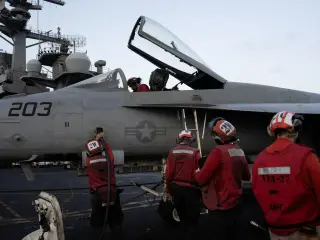
Iran is consolidating de facto control over the Strait of Hormuz by deploying a layered clearance system for passing vessels, including government-to-government deals, IRGC vetting, and sometimes fees for safe passage, with priority given to ships tied to Tehran’s allies; the Agios Fanourios I case shows delays and an IRGC inspection before authorization to continue, followed by US naval enforcement, and multiple Iranian agencies oversee the vetting through a new Persian Gulf Strait Authority—a norm that challenges international law and adds sanction-related risk while contributing to volatility in a global oil market that relies on Hormuz for roughly 20% of supply.