
Blanche Rejects Pledge of DOJ Independence, Defends Trump’s Pardons and Election Integrity Push
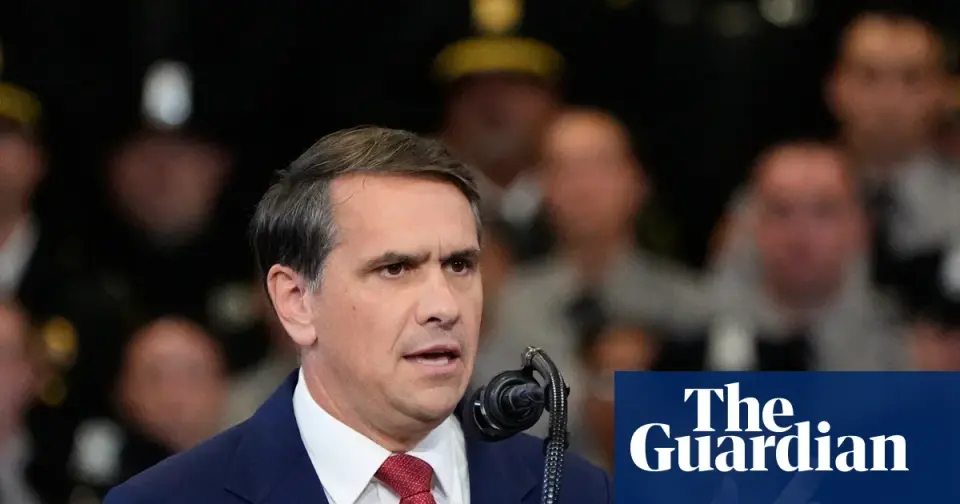
Attorney General Todd Blanche refused to pledge that the Justice Department would always act independently of the White House, stating that no attorney general should make such a promise. He defended Trump’s pardons of January 6 rioters and vowed to pursue 'election integrity' measures despite court losses. Critics called his stance a disgrace, while Blanche insisted he would not be a 'puppet' and would offer honest counsel to the president.
Key points
- Blanche told NBC’s Kristen Welker he would not pledge that the DOJ would always act independently of the White House, arguing that no attorney general should ever make such a promise.
- He asserted that President Trump has never and will never ask him to cross ethical or legal lines, dismissing concerns about political interference as a 'false narrative' pushed by the left and media.
- Blanche confirmed that the $1.8 billion 'anti-weaponization' fund is dead but declined to rule out federal settlements for January 6 rioters, noting that anyone can file a claim against the government.
- He defended Trump’s pardoning of 1,500 January 6 attackers, calling it the president’s right, and vowed to continue 'election integrity' efforts despite more than 20 consecutive court defeats in voter roll cases.
- Blanche expressed support for DC US Attorney Jeanine Pirro, stating she is doing a 'phenomenal job' despite Trump’s frustration over the dismissal of the Reflecting Pool vandalism case.
Background
Blanche was confirmed by the Senate 50-49 in August 2026, succeeding Pam Bondi, after serving as acting attorney general since April. His confirmation was tied to the rescission of the controversial 'anti-weaponization' fund. Prior to his appointment, Blanche served as Trump’s personal defense attorney during the former president’s New York felony trial. The DOJ has faced scrutiny over its handling of the Epstein files and its alignment with the White House’s political agenda.
How outlets are covering it
The Guardian and The New York Times emphasized Blanche’s refusal to pledge independence as a significant departure from post-Watergate norms, with legal scholars calling it an 'appalling' move. CNN highlighted Blanche’s assertion that he would consider Trump’s views in individual prosecution decisions, framing it as a potential conflict of interest. The Washington Post focused on his defense of the January 6 pardons and his commitment to 'election integrity' despite judicial setbacks. All outlets noted Blanche’s claim that he would offer 'honest counsel' and disagree with the president when necessary, though critics remained skeptical of this assurance.
Why it matters
Blanche’s stance raises fundamental questions about the independence of the Department of Justice and the separation of powers. His refusal to pledge autonomy, combined with his defense of controversial pardons and aggressive election integrity lawsuits, signals a DOJ that may prioritize presidential political goals over traditional legal norms. This could impact the integrity of federal elections and the perception of impartial justice in the United States.
What to watch
The Justice Department may appeal its losses in voter roll cases to the Supreme Court. Blanche will continue to navigate the DOJ’s relationship with the White House, potentially facing further scrutiny over its handling of political prosecutions and the Epstein files. The outcome of any federal claims by January 6 rioters remains uncertain, as Blanche declined to comment on specific settlements.
- Todd Blanche declines to pledge independence from White House The Guardian
- Blanche declines to pledge independence from the White House CNN
- Blanche Refuses to Say He’ll Always Be Independent of Trump as Attorney General The New York Times
- Blanche on whether DOJ will be independent: ‘I’m not going to pledge that’ The Washington Post
- Blanche says he's not Trump's personal servant Politico
Want the full story? Read the original reporting
Read on The Guardian