
Democrats split over strategy despite historic midterm wins
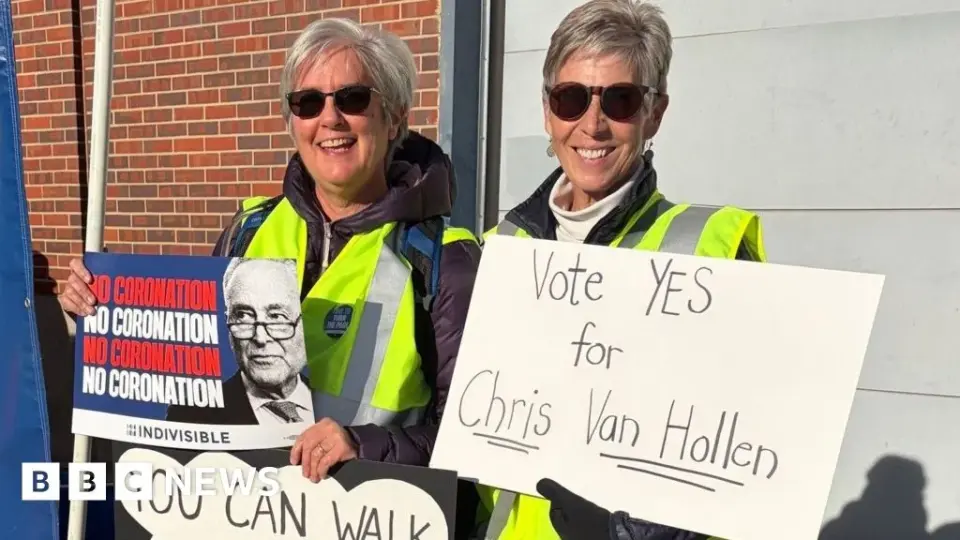
The Democratic Party has secured its largest congressional majorities since the Obama era, winning over 80 House seats and nine Senate seats. However, internal divisions persist between moderates and progressives regarding future strategy. While some leaders advocate for bipartisan cooperation with the Trump administration, others demand aggressive accountability and structural economic reforms. The party remains fractured over issues like healthcare, Gaza, and the definition of 'economic populism,' though external pressures from economic inequality and a combative White House may force unity.
Key points
- Democrats won a House majority by over 80 seats and nine Senate seats, including historic victories in Texas and Mississippi.
- James Talarico, the new youngest Senator, advocated for working with the Trump administration, drawing mixed reactions from the party.
- Progressives argue the win validates bold economic populism, while moderates credit centrist approaches in red states.
- Internal tensions remain high over healthcare policy, the war in Gaza, and the impeachment of Defense Secretary Pete Hegseth.
- Robert Reich argues that extreme economic inequality and a belligerent Trump administration will force Democrats to unite.
Background
Following the 2026 midterms, Democrats secured control of both chambers of Congress, marking a significant shift from the previous Republican dominance. Earlier coverage noted that while the party achieved decisive victories in traditionally red states like Texas and Georgia, internal clashes emerged immediately regarding the legislative agenda. Tensions were already visible over Medicaid cuts, Affordable Care Act subsidies, and the scope of investigations into the Trump administration, with leadership prioritizing legislative delivery over ideological extremes.
How outlets are covering it
BBC reports that the party is 'divided' and 'frustrated,' highlighting a split between those wanting to cooperate with Trump and those demanding accountability. Vox frames the debate as a fight for credit, noting that moderates claim centrist candidates won key red states, while progressives argue that all winners embraced anti-corporate rhetoric. The Atlantic suggests a 'fusion' approach, where the party succeeded by blending messages from different factions. The Guardian, via Robert Reich, argues that external forces—specifically record corporate profits and a hostile White House—will prevent 'big tent disease' and force the party to coalesce around a common enemy.
Why it matters
The outcome of this internal debate will determine the Democratic Party's governing agenda and its approach to the 2028 presidential race. If moderates prevail, the party may focus on narrow cost-of-living measures and bipartisan deals. If progressives gain the upper hand, the party may pursue sweeping structural reforms and confront the administration directly. The ability to maintain unity will be critical for delivering on promises made to voters who supported the 'blue tsunami' in the midterms.
What to watch
Hakeem Jeffries is poised to become the first Black Speaker of the House, while James Talarico will take his Senate seat in January. The party must navigate the failed impeachment effort of Defense Secretary Pete Hegseth and decide whether to pursue aggressive investigations into the Trump administration. Leadership will need to balance the demands of the left for structural change with the moderate focus on immediate economic relief, all while facing a White House that has signaled it will resist congressional oversight.
- 'Frustrated' - Democrats remain a divided party despite winning big in midterms BBC
- Democrats won big. Now they’re arguing about why. Vox
- The Rise of the Fusion Democrat The Atlantic
- Two reasons Democrats can overcome infighting next year | Robert Reich The Guardian
- Democrats have reached a détente in their internal war. Will it last? Politico
Want the full story? Read the original reporting
Read on BBC