
DOJ cites national security to defend White House media ban as judge weighs temporary lift
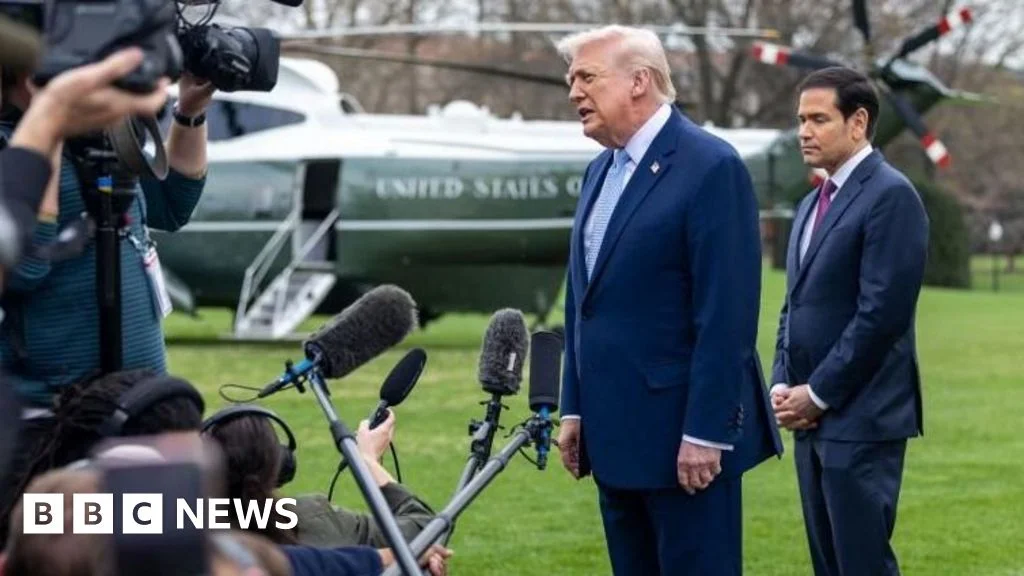
The US Justice Department has filed a legal brief defending President Donald Trump’s ban on CNN, Politico, and MS NOW from the White House, arguing that the outlets reported on sensitive national security matters. A federal judge is set to rule on Wednesday whether to temporarily lift the ban, which the outlets claim violates their First Amendment rights. Major media outlets have suspended pool coverage in solidarity, while the administration maintains that White House access is a privilege, not a right.
Key points
- The DOJ filed a brief in a DC District Court case, arguing that CNN, Politico, and MS NOW published 'verifiable falsehoods' and sensitive information that threatened national security.
- The Justice Department asserts that access to the White House is a privilege, not a right, and that there is no First Amendment right to physical presence in the building.
- The three outlets sued the administration on Monday, claiming the ban was unconstitutional and motivated by viewpoint discrimination rather than security concerns.
- Judge Timothy Kelly is scheduled to hold a teleconference hearing on Wednesday to decide whether to issue a temporary order lifting the ban pending a full hearing.
- Major TV networks and photographers have suspended pool coverage and image distribution in solidarity, creating a noticeable absence of presidential footage in news coverage.
Background
This dispute follows a series of escalating tensions between the Trump administration and the press, including a prior ban on other outlets in September 2026. The current ban was announced last week after the outlets published stories regarding White House construction projects, including a security bunker and a new ballroom, as well as an internal leak investigation. The administration has previously faced legal challenges regarding media access, including a Supreme Court case concerning transgender troop bans, highlighting ongoing constitutional debates over government authority and press freedom.
How outlets are covering it
The Justice Department and Secretary of State Marco Rubio frame the ban as a necessary national security measure, arguing that the outlets published classified or sensitive information. Rubio emphasized on NBC News that the administration is not arresting reporters or closing outlets, merely restricting physical access to the White House workspace. Conversely, CNN, Politico, and MS NOW argue the ban is a violation of the First Amendment and due process, describing it as 'viewpoint discrimination' against their perceived ideology. CNN reported that the ban has triggered widespread solidarity across the media, with major networks and wire services like the Associated Press and NPR halting coverage of the president to protest the move. The outlets maintain that the White House provided a list of 'reporting incidents' as a pretext for the ban, while the DOJ contends that the outlets failed to meet standards of professionalism regarding sensitive information.
Why it matters
The outcome of this case could set a precedent for the limits of press access to government buildings and the definition of national security in media reporting. A ruling against the ban could embolden future administrations to restrict media presence based on editorial content, while a ruling in favor of the outlets would reinforce First Amendment protections against viewpoint-based exclusions. The solidarity actions by major media outlets also signal a potential shift in how the press corps responds to government interference, potentially affecting the public's access to real-time coverage of presidential activities.
What to watch
Judge Timothy Kelly will issue a ruling on Wednesday regarding a temporary restraining order to lift the ban. The outlets have until 5:00 pm on Friday, September 25, to respond to the DOJ's letters contesting the factual basis of the ban. If the temporary order is granted, a full hearing will follow to determine the permanent legality of the ban. The media industry will continue to monitor the impact of the solidarity boycott on public access to presidential events, with uncertainty whether the actions will extend beyond the initial days of the ban.
- Trump administration accuses banned media outlets of 'falsehoods' ahead of court hearing BBC
- Trump’s press ban prompts widespread solidarity — and fewer images of the president cnn.com
- DOJ defends Trump ban of 3 news outlets, says White House access is a 'privilege — not a right' CNBC
- Trump Faces the Sting of a Media Boycott After Press Pool Withdrawal nytimes.com
- Rubio defends Trump’s banning media organizations, arguing there aren’t ‘soldiers kicking down the doors’ of the outlets NBC News
Want the full story? Read the original reporting
Read on BBC