
DOJ Escalates California Election Fight With Criminal Subpoenas After Judge Blocks Ballot Freeze
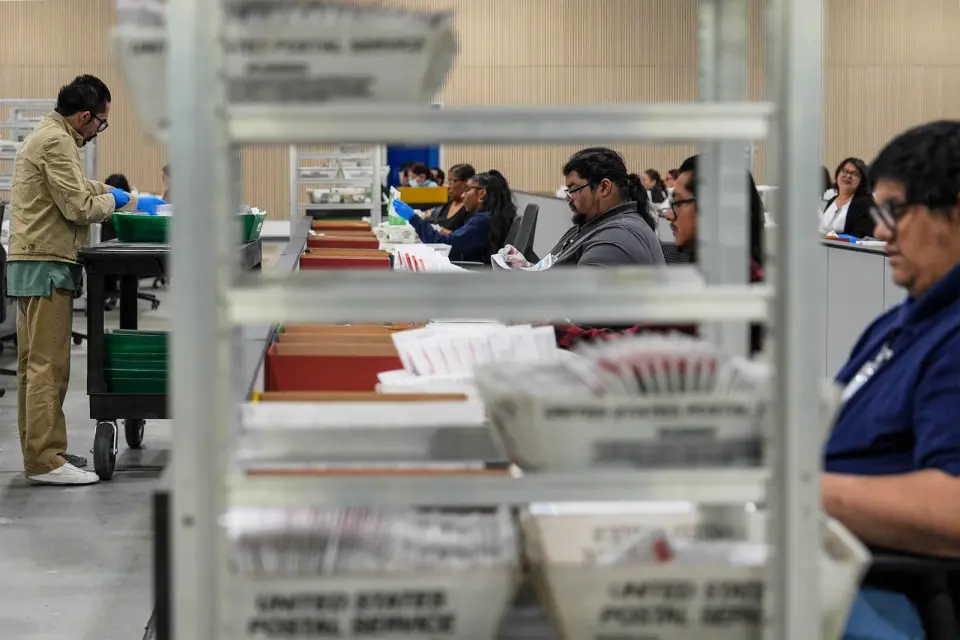
U.S. District Judge David Carter rejected the Trump administration's bid to set aside 20,000 California ballots, calling it an attempt to disenfranchise voters. In response, the Justice Department issued criminal subpoenas to state and local election officials. The administration is appealing the ruling to the 9th Circuit, while a special master has been appointed to review the federal government's data reliability.
Key points
- Judge Carter ruled that the federal government cannot force California to segregate ballots, citing a 'pattern of attempted election interference' and the risk of disenfranchising citizens.
- The Justice Department ordered criminal subpoenas for California officials, including the Secretary of State, regarding their role in administering the elections.
- A special master, Daniel B. Garrie, was appointed to develop a factual record on the reliability of the federal list of 20,000 alleged noncitizen voters.
- The 9th Circuit Court of Appeals previously rejected an emergency appeal, with two judges questioning the accuracy of the federal data.
- California Attorney General Rob Bonta described the federal case as 'amateur hour' and 'trash data,' while the DOJ insists the list is mostly accurate.
Background
This dispute follows earlier federal attempts to block in-person interrogations of suspected noncitizen voters, which were halted by Judge Araceli Martínez-Olguín. The current legal battle is part of a broader Trump administration effort to challenge state-run elections ahead of the November 3 midterms, with similar demands made in other states like Washington.
How outlets are covering it
CalMatters and AP News emphasize the judicial rejection of the ballot freeze and the subsequent criminal subpoenas as an escalation of federal interference. Bloomberg Law highlights the internal friction within the DOJ, noting that some federal prosecutors objected to the mandate to interfere with the election. While the DOJ maintains its list is accurate, California officials and civil rights groups argue the data is riddled with errors that sweep in naturalized citizens. The 9th Circuit panel is split, with two judges opposing the ballot freeze and one dissenting in favor of federal intervention.
Why it matters
The outcome determines whether California can count all mail ballots for the 2026 midterms without federal interference. The criminal subpoenas signal a potential shift from civil disputes to criminal prosecution of state election officials, raising stakes for the integrity of the upcoming vote.
What to watch
The 9th Circuit will hear the DOJ's appeal, and Judge Carter will rule on a preliminary injunction after a November 13 evidentiary hearing. Subpoenaed officials may file motions to quash, potentially extending litigation past the election. The special master will report on the reliability of the federal data.
- Federal judge cites 'attempted election interference'; rejects setting aside California ballots CalMatters
- Justice Dept. Pressures California With Expanded Election Investigation The New York Times
- Judge says Trump bid to set aside California ballots would ‘wreak havoc’ on democracy Reuters
- DOJ Orders Criminal Probes of California Officials Over Ballots Bloomberg Law News
- Justice Department appeals ruling allowing California to count disputed ballots AP News
Want the full story? Read the original reporting
Read on CalMatters