
DOJ expands Alaska probe with 40 subpoenas, amends suit over alleged ballot confusion
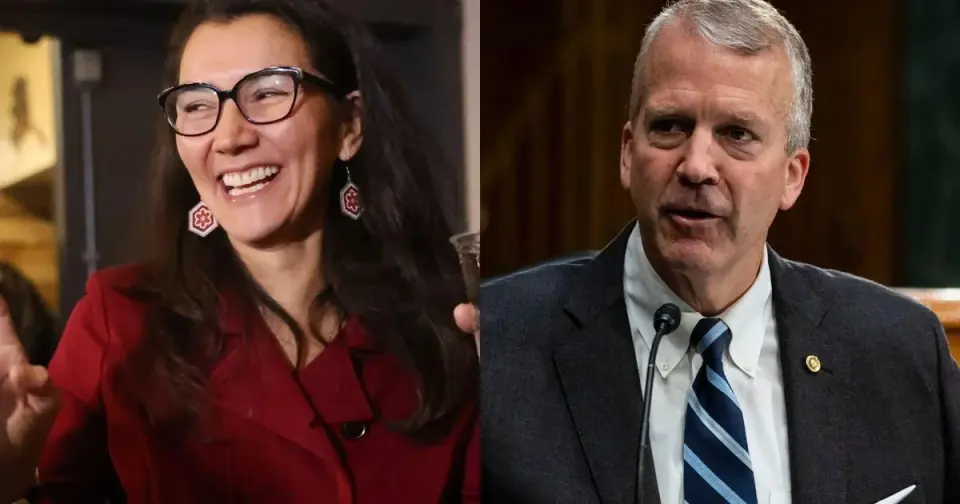
The Justice Department issued 40 new subpoenas and amended a civil lawsuit in the Alaska Senate race, alleging a conspiracy to confuse voters by recruiting a second candidate named Dan Sullivan. The move follows a New York Times report detailing alleged recruitment efforts by Democrat Mary Peltola's campaign, which both she and the Democratic Senatorial Campaign Committee deny. The DOJ cites potential violations of federal civil rights statutes, while critics argue the federal government lacks jurisdiction over state election administration. Governor Mike Dunleavy has ordered a separate state investigation, and President Trump has called for the removal of both Peltola and the challenger from the ballot.
Key points
- The DOJ issued 40 grand jury subpoenas and document preservation requests targeting Democratic officials linked to the recruitment of Daniel J. Sullivan Jr.
- The DOJ amended its civil lawsuit to include a 'conspiracy' claim based on a New York Times report detailing internal communications from Peltola's campaign.
- Prosecutors cited 18 U.S.C. Sections 241 and 242 as potential legal bases, focusing on interference with voting rights and voter confusion.
- Alaska Governor Mike Dunleavy ordered the Department of Public Safety to investigate whether state laws were violated by the alleged recruitment scheme.
- No charges have been filed, and the DOJ acknowledged no confirmed instances of voters mistakenly casting ballots for the wrong candidate.
- The civil suit seeks to block certification of results if Dan S. Sullivan loses, arguing the National Voter Registration Act was violated.
Background
This dispute centers on the 2026 Alaska Senate race, a key toss-up that could determine control of the US Senate. In June, Alaska's Supreme Court allowed Daniel J. Sullivan Jr., a retired teacher, to appear on the ballot alongside incumbent Republican Dan S. Sullivan. The DOJ filed its initial lawsuit in late October to prevent certification if the incumbent loses narrowly, arguing voter confusion could taint the result. Democrats and voting rights groups have sought to intervene, arguing the executive branch lacks authority to override state election administration. Previous coverage noted that ballot stacking is a common practice in Alaska, though the current allegations involve a coordinated effort to recruit a specific candidate.
How outlets are covering it
The DOJ and Republican officials frame the situation as a criminal conspiracy to undermine electoral integrity. The DOJ official described a 'significant increase in activity' and cited the Times report as evidence of a coordinated effort to trick voters. President Trump and Vice President JD Vance called for Peltola to be prosecuted and removed from the ballot, with Vance labeling the actions a 'moral failing.' Senate Majority Leader John Thune called the effort 'unprecedented.' In contrast, the Peltola campaign and the Democratic Senatorial Campaign Committee deny any involvement in recruiting Daniel J. Sullivan Jr., stating the candidate entered the race of his own accord. Democrats argue the DOJ's actions are politically motivated and lack legal basis, with former DOJ official Justin Levitt questioning the federal jurisdiction. NBC News noted that recruiting candidates to split votes is generally legal if no inducements like money or threats are involved, and the Times did not report evidence of coercion.
Why it matters
The outcome of the Alaska Senate race is critical for determining whether Republicans maintain their majority in the US Senate. The DOJ's aggressive legal and investigative actions, occurring just days before the November 3 election, raise significant questions about federal intervention in state election processes. If the incumbent loses, the amended lawsuit could lead to a legal battle over certification, potentially disenfranchising voters or delaying the seating of the new senator. The case also tests the limits of federal authority in election disputes and the application of civil rights statutes to ballot confusion cases.
What to watch
The DOJ is expected to pursue search warrants and grand jury testimony based on the new subpoenas. The civil lawsuit will proceed as the election approaches, with the DOJ seeking to block certification if Dan S. Sullivan loses. Governor Dunleavy's state investigation will determine if criminal or civil action is warranted under Alaska law. House Oversight Committee Chair James Comer has requested interviews with former Peltola campaign manager Elisa Rios and operative Jerid Kurtz, threatening compulsory process if they do not appear voluntarily. The November 3 election will determine the winner, but the legal challenges may continue post-election if the margin is narrow.
- DOJ issues new subpoenas in Alaska Senate probe, asks judge to intervene over "conspiracy" involving 2 Dan Sullivans CBS News
- Inside Democrats’ Secret Effort to Stack Alaska’s Midterm Ballot With Another Dan Sullivan The New York Times
- DOJ issues subpoenas in Alaska Senate race as governor launches separate investigation NBC News
- Trump administration renews bid to block Alaska election results Al Jazeera
- Alaska governor orders investigation into Democrat Mary Peltola’s Senate campaign The Guardian
Want the full story? Read the original reporting
Read on CBS News