
DOJ Sues California to Block 20,000 Mail Ballots Ahead of Midterms
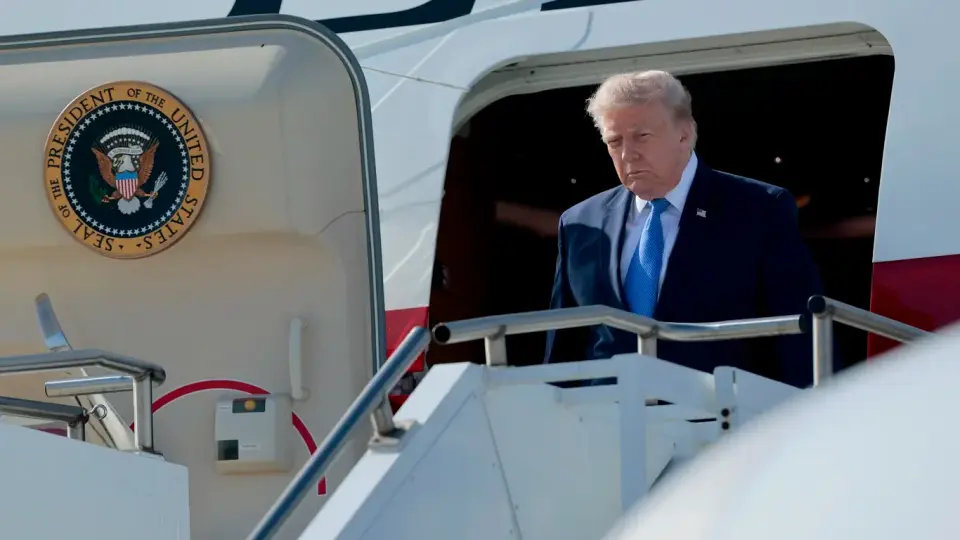
The Trump administration sued California on October 15, seeking a federal court order to prevent the state from counting mail ballots from approximately 20,000 voters identified as likely noncitizens. The lawsuit, filed in the Central District of California, follows a 48-hour ultimatum issued by the Department of Justice (DOJ) to state and local election officials. California officials rejected the demand, citing data security concerns and the lack of verified evidence, and vowed to defend the integrity of the November 3 midterm elections. The move marks a new legal front in the administration’s ongoing conflict with state election authorities, occurring just three weeks before Election Day.
Key points
- The DOJ sued California and Los Angeles County officials, seeking to block the tabulation of mail ballots from 20,000 individuals flagged as likely noncitizens.
- The suit follows a 48-hour deadline set by Acting Deputy Attorney General Trent McCotter, which California officials refused to meet, citing data security and legal concerns.
- California Secretary of State Shirley Weber and Attorney General Rob Bonta condemned the move as a desperate attempt to suppress voters based on unreliable data.
- The DOJ claims its list was derived from a multi-agency review, but California officials note that similar lists in other states, such as Nevada, proved entirely inaccurate.
- Legal experts and Democratic senators argue the action violates the National Voter Registration Act’s pre-election freeze and risks disenfranchising eligible voters.
Background
This lawsuit is the latest escalation in a series of federal-state conflicts over voter rolls. In the past 18 months, the Trump administration has sued multiple states over similar claims, but has faced significant legal setbacks. Earlier this year, the Department of Homeland Security alleged that up to 278,000 noncitizens were registered to vote in four states, including 190,000 in California. However, when officials in Nevada investigated a list of 185 names, they found every individual was a lawful citizen. The current dispute follows a 48-hour ultimatum issued on October 14, where the DOJ demanded California verify citizenship or face emergency legal action. California officials have consistently argued that the federal government has no role in running state elections and that the data provided lacks the necessary detail for investigative use.
How outlets are covering it
The DOJ, represented by Attorney General Todd Blanche, argues that California has refused to comply with federal law by facilitating noncitizen voting and that the state must segregate suspected illegal ballots. In contrast, California officials, including Governor Gavin Newsom and Attorney General Rob Bonta, describe the lawsuit as a 'sad, desperate attempt' to suppress voters and undermine the election. The New York Times and The Guardian highlight the administration’s history of inaccurate claims, noting that previous lists of alleged noncitizens have been found to be 'vastly inflated' and 'rife with errors.' The Los Angeles Times emphasizes the procedural irregularities, such as the 48-hour deadline and the use of a thumb drive that local officials deemed insecure. Legal experts, including David Becker and Richard Hasen, argue that the DOJ’s actions violate the National Voter Registration Act’s 90-day pre-election freeze and are likely to fail in court due to the lack of verified evidence.
Why it matters
The lawsuit represents a significant attempt by the federal government to intervene in state-run elections, challenging the traditional division of authority between federal and state election officials. If successful, it could set a precedent for federal interference in ballot tabulation, potentially disenfranchising eligible voters. The case also highlights the ongoing tensions between the Trump administration and state election authorities, with the DOJ using legal mechanisms to pressure states to comply with its voter roll audits. The outcome of this case could have broader implications for the integrity of the November 3 midterm elections and the future of federal-state relations in election administration.
What to watch
The case will proceed in the Central District of California, where the DOJ seeks an injunction to block the counting of the 20,000 flagged ballots. California officials have vowed to fight the lawsuit in court, arguing that the federal government has no authority to intervene in state elections. The National Voter Registration Act’s 90-day pre-election freeze may play a key role in the court’s decision, as legal experts argue that the DOJ’s actions violate this provision. The outcome of this case could influence future federal-state conflicts over voter rolls and election administration, particularly in the lead-up to the November 3 midterm elections.
- Trump sues California to prevent counting 20,000 voters' ballots Axios
- Trump Administration Sues California Over Voter Rolls The New York Times
- US justice department sues California over alleged noncitizen voting The Guardian
- Justice Dept. sues California, seeks to stop state from counting 20,000 ballots Los Angeles Times
- DOJ gave California a voter list, a 48-hour deadline — and a threat of court action Axios
Want the full story? Read the original reporting
Read on Axios