
Federal judge blocks Big Bend border wall construction, halting $7.5B project
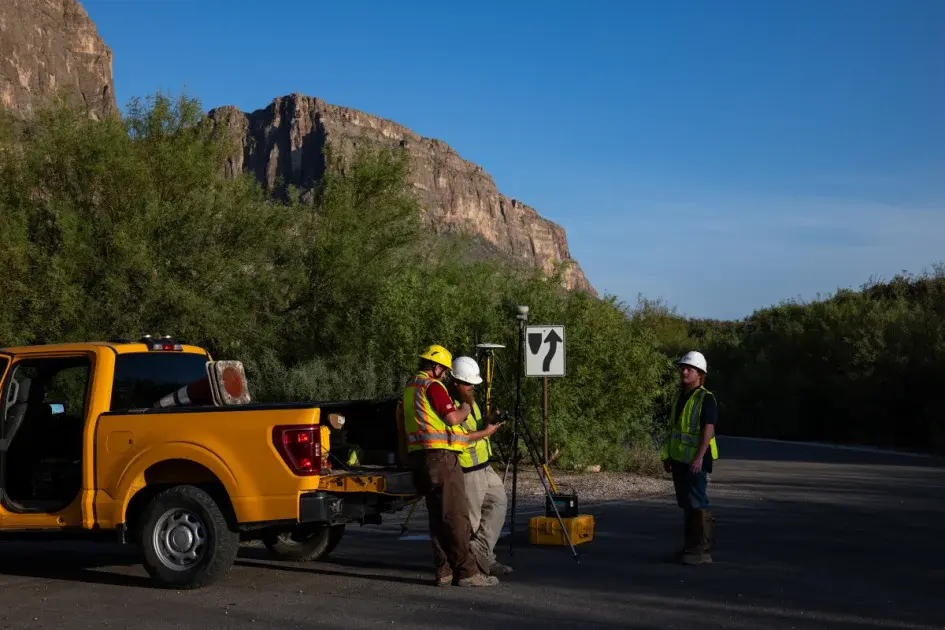
U.S. District Judge Kathleen Cardone issued a preliminary injunction halting border barrier construction in the Big Bend region, ruling that the plaintiffs' constitutional claims were likely to succeed. The order stops 'ground-disturbing activities' in the national park and surrounding areas while the lawsuit proceeds. The Center for Biological Diversity filed the suit in April on behalf of local landowners and environmental groups, arguing the five contracted projects violate separation of powers and deprive citizens of property. Although the Big Bend sector accounts for only 1% to 3% of migrant apprehensions, the Trump administration has pursued a $7.5 billion infrastructure expansion, waiving environmental laws to expedite construction. This ruling follows a separate temporary pause secured by residents in San Ygnacio, Texas, who challenged federal claims to private riverfront land.
Key points
- Judge Cardone ruled that the plaintiffs' constitutional arguments against the border wall were likely to succeed, maintaining a preliminary injunction against ground-disturbing activities in the Big Bend region.
- The lawsuit, filed by the Center for Biological Diversity in April, challenges five border wall projects, alleging they violate the separation of powers and unlawfully deprive citizens of their land.
- The Big Bend sector covers a quarter of the U.S.-Mexico border but accounts for only 1% to 3% of annual migrant apprehensions, yet it is the site of over $7.5 billion in planned border infrastructure contracts.
- The Department of Homeland Security waived the Endangered Species Act and the National Environmental Policy Act to accelerate construction, citing the need for 'operational control' and zero unauthorized crossings.
- In a separate but related development, residents of San Ygnacio, Texas, secured a verbal halt to construction on private riverfront property by challenging federal land claims and citing historical 1951 exclusion records.
Background
The current legal battle follows months of escalating conflict over the Trump administration's border wall expansion in Texas. In September 2026, construction began on a 47-mile stretch in Hudspeth County as part of a broader $46 billion initiative. Prior to the recent injunction, a federal judge had extended a temporary pause on ground-disturbing work through September 15, 2026, while reviewing the validity of DHS's environmental waivers. Additionally, a coalition of 230 landowners filed a lawsuit in Washington, D.C., in September 2026, arguing that the Big Bend area was wrongly designated a high-entry zone to justify the seizure of private property.
How outlets are covering it
The Texas Tribune and The Guardian present the story through different lenses, focusing on distinct legal and local dimensions of the same conflict. The Texas Tribune emphasizes the federal court ruling in the Big Bend region, highlighting the constitutional arguments made by the Center for Biological Diversity and the government's justification for 'operational control.' It notes that while the area sees minimal migrant traffic, the government is pursuing a massive $7.5 billion infrastructure project. In contrast, The Guardian focuses on the grassroots resistance in San Ygnacio, Texas, detailing how residents used historical land records and direct action to secure a verbal halt to construction on private property. While the Tribune reports on a formal judicial injunction, The Guardian highlights a community-driven pause that is described as precarious and not yet backed by a court order. Both sources agree that the federal government has waived multiple environmental laws to expedite construction, but they differ in their focus: the Tribune centers on the legal validity of the wall in the national park, while The Guardian centers on the property rights and environmental risks in a small border town.
Why it matters
The ruling sets a significant legal precedent for the administration's border wall expansion, potentially halting billions of dollars in contracts and challenging the government's ability to waive environmental protections for infrastructure projects. It highlights the tension between federal border security goals and local property rights, environmental concerns, and constitutional limits on government power. The outcome of these lawsuits could determine whether the $7.5 billion Big Bend project proceeds or is significantly altered, with broader implications for other border regions where similar waivers and construction efforts are underway.
What to watch
The preliminary injunction will remain in effect while the lawsuit continues, with further court proceedings expected to determine the final outcome of the constitutional claims. The government may appeal the ruling or seek to modify the injunction. In San Ygnacio, residents are preparing additional lawsuits and monitoring the situation for any return of construction crews, as the verbal halt is not backed by a court order. The broader border wall project may face further legal challenges as other lawsuits, including one filed by 230 landowners, proceed through the courts.
- Judge halts border barrier construction in Big Bend The Texas Tribune
- Judge Blocks Border Wall Construction in Big Bend in Texas The New York Times
- Judge bars building of Texas-Mexico border barrier in Big Bend National Park Yahoo
- Federal judge weighs temporary halt to Big Bend border barrier work at El Paso hearing kfoxtv.com
- A small Texas town stopped Trump’s border wall construction – for now The Guardian
Want the full story? Read the original reporting
Read on The Texas Tribune