
Flávio Bolsonaro leads Lula in Brazil’s first round, setting stage for October 25 runoff
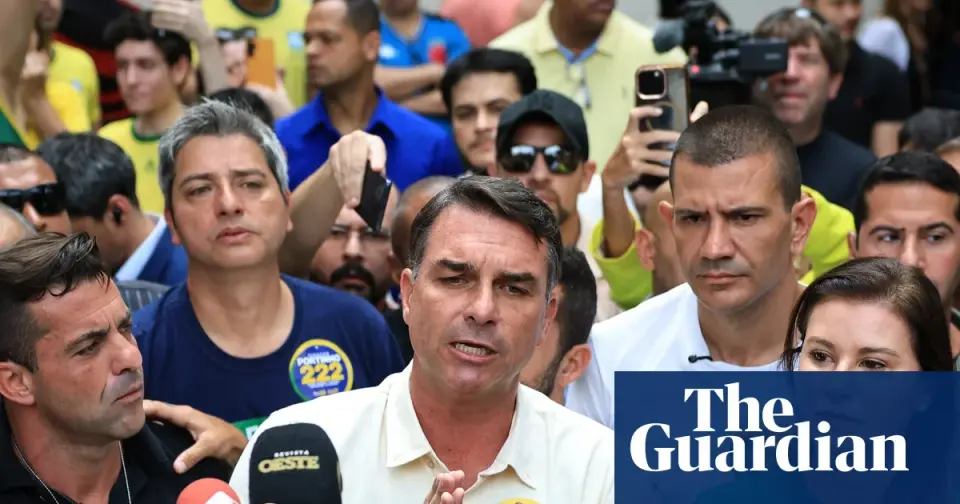
Brazil’s presidential race will proceed to a second round after Flávio Bolsonaro defeated incumbent Luiz Inácio Lula da Silva in the first round but failed to secure the 50% majority required for an outright victory. With 99.9% of votes counted, Bolsonaro received 47% of the vote (56.1 million votes), while Lula garnered 45.1% (53.8 million votes). The runoff is scheduled for October 25. Bolsonaro is considered the strong favorite, aided by the migration of votes from other right-wing candidates and a broader surge in far-right support across congressional and gubernatorial races. Lula, seeking a historic fourth non-consecutive term, acknowledged his defeat in the first round but vowed to launch a new campaign highlighting Bolsonaro’s past. The election also saw a significant right-wing advance in the Senate, where 34 of 54 elected senators are from the right or far-right, a result prioritized by Bolsonaristas to potentially impeach Supreme Court justices.
Key points
- Flávio Bolsonaro won 47% of the vote, narrowly ahead of Lula’s 45.1%, forcing a runoff on October 25.
- The far-right achieved a stronger-than-expected showing, with Bolsonarista family members winning Senate and lower house seats.
- 34 of 54 newly elected senators are from the right or far-right, a key goal for Bolsonaristas to challenge the Supreme Court.
- Lula admitted he expected to win in the first round but pledged to continue campaigning, focusing on Bolsonaro’s 'dark past'.
- Bolsonaro’s victory is seen as part of a broader pro-Trump shift in Latin America, with Lula accusing the US of attempting to 'colonize' Brazil.
Background
This election follows a period of intense polarization in Brazil, marked by the 2022 attempt to overturn the previous election result. The 2026 campaign was defined by economic anxiety, corruption scandals, and debates over US relations. Pre-election polls had favored Lula, but the first-round results defied these predictions, signaling a significant shift toward the right. The runoff will be the final test in a deeply divided electorate, with both candidates vying for moderate voters in a three-week campaign.
Why it matters
The outcome will determine Brazil’s political direction and its alignment with global right-wing movements. A Bolsonaro victory could lead to the release of his father, who is serving a 27-year sentence for plotting a coup, and potentially impact the independence of the Supreme Court. Lula’s defeat in the first round, despite his status as a veteran leader, highlights the growing influence of far-right politics in Latin America and the impact of economic and security concerns on voter behavior.
What to watch
The second round is scheduled for October 25, with both candidates launching new campaigns to win over moderate voters. Lula will focus on exposing Bolsonaro’s past, while Bolsonaro will consolidate support from other right-wing candidates. The results will also influence Brazil’s foreign policy, particularly its relationship with the US and its stance on global right-wing movements.
- Brazil’s presidential race to go to second round as Flávio Bolsonaro leads incumbent Lula The Guardian
- Brazil election headed to runoff, projection shows, as Bolsonaro lead narrows Reuters
- Round one of Brazil's presidential election points to a shift to the right NPR
- Brazil presidential election 2026: first-round live results The Guardian
- Lula Is the Brazilian Left’s Last Hope—And Its Biggest Problem WSJ
Want the full story? Read the original reporting
Read on The Guardian