
Pentagon Fires Stars and Stripes Leadership Amid Censorship Fears
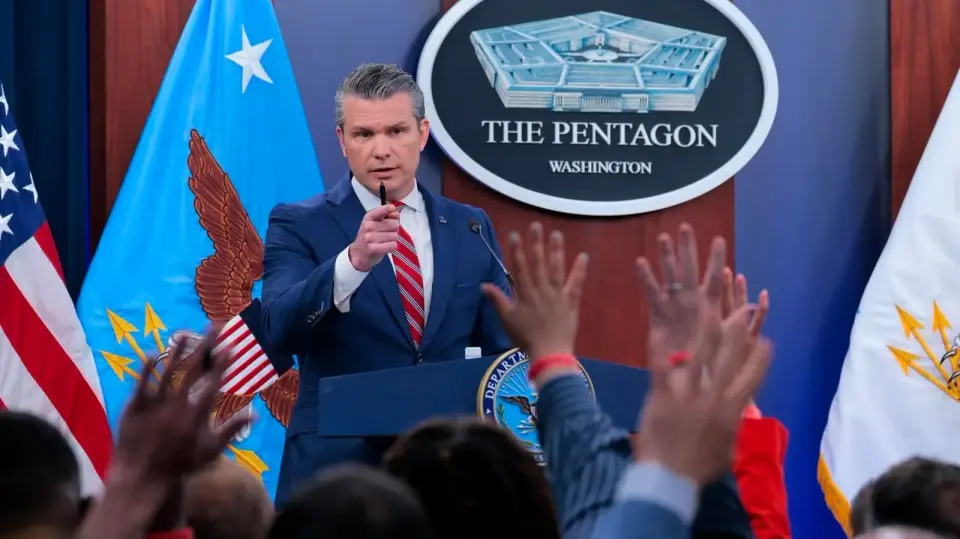
The US Department of Defense has dismissed the editor-in-chief, publisher, and a key reporter of the military newspaper Stars and Stripes, citing 'insubordination.' The firings follow public interviews where staff expressed concerns about potential censorship and editorial independence. While the Pentagon asserts its commitment to the paper's mission, critics and lawmakers argue the move undermines press freedom and signals a broader effort to control military media narratives.
Key points
- Erik Slavin, Max Lederer, and Lara Korte were fired by the DoD for 'insubordination' after speaking to CBS News about censorship risks.
- The Pentagon appointed Navy Capt. Bill Urban as military deputy to the publisher, a move criticized by Democrats as compromising editorial independence.
- The firings occur amid a broader tension between the Trump administration and media, including recent restrictions on press access to the Pentagon.
- Stars and Stripes, which reaches 1.4 million daily readers, is partially funded by the Pentagon but has historically maintained editorial independence through congressional mandates.
Background
This incident follows a series of disputes between the Trump administration and the press, including the blocking of the Associated Press from presidential events in 2025 and the White House's control of the presidential press pool. The firings also come after the Pentagon's attempt to bar journalists from entering the building unless they only reported officially authorized information, a policy rejected by major news outlets in October 2025.
How outlets are covering it
Forbes and BBC highlight Slavin's concerns about censorship and the Pentagon's lack of on-the-record commentary, framing the firings as a direct attack on press freedom. CNN emphasizes the role of Defense Secretary Pete Hegseth in exerting pressure on Stars and Stripes, noting the paper's long history of independence. The Pentagon, through Navy Capt. Bill Urban, asserts that the paper needs 'modernization' and that leadership is committed to its editorial independence, though this claim is disputed by Democrats and free-speech advocates. The BBC and CNN also note the broader context of media tensions, including the Pentagon's recent restrictions on press access.
Why it matters
The firing of Stars and Stripes leadership signals a potential shift in the Pentagon's approach to military media, raising concerns about the erosion of press freedom and the ability of journalists to report independently on military affairs. This could have broader implications for the transparency of military operations and the public's access to unbiased information about ongoing conflicts, such as the US-Israeli war with Iran.
What to watch
The Pentagon is expected to continue its efforts to 'modernize' Stars and Stripes, potentially leading to further changes in the paper's editorial direction. The fired staff members may pursue legal or administrative appeals, though Slavin has indicated he is considering his response. The broader tension between the administration and the media is likely to continue, with potential further restrictions on press access and coverage of military affairs.
- Stars And Stripes Editor Says He’s Worried About Military Censorship—After Pentagon Fires Him For ‘Insubordination’ Forbes
- Open Letter to Our Stakeholders from the Military Deputy to the Publisher stripes.com
- US military newspaper editor voices censorship fears after being fired BBC
- Pentagon fires Stars and Stripes leaders amid Hegseth pressure campaign CNN
- Longtime publisher of Stars and Stripes to retire, citing differences with Pentagon leadership AP News
Want the full story? Read the original reporting
Read on Forbes