
2026 Midterms Mark Record High for Anonymous Political Spending
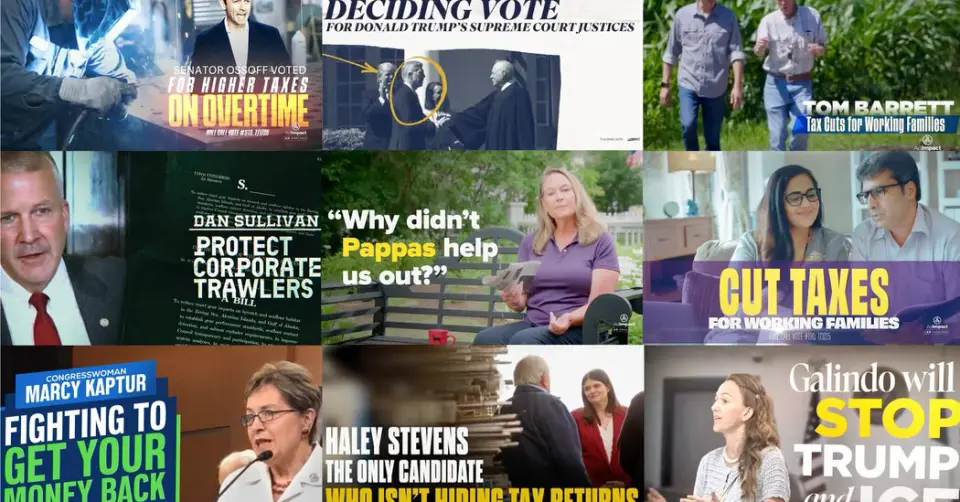
The 2026 midterm elections are characterized by unprecedented levels of anonymous political spending, with over $1 billion in 'dark money' flowing into House and Senate races. This surge, described by The New York Times as the 'least transparent midterm,' involves nonprofits and super PACs hiding donor identities to influence outcomes in key states like Michigan, Minnesota, and Texas. While total election spending is projected to reach $11.6 billion, critics argue that the opacity of these funds undermines democratic accountability, even as some candidates, like Michigan’s Abdul El-Sayed, reject such donations to maintain voter trust.
Key points
- At least $1 billion in anonymous donations is flowing into the 2026 midterm elections, a figure The New York Times describes as a historic high for 'dark money.'
- Nonprofits and super PACs are airing dozens of ads in House and Senate races without disclosing their donors, a practice that has permeated nearly every major contest this year.
- In Michigan and Minnesota, tens of millions of untraceable dollars were poured into Senate primaries to challenge progressive Democratic candidates.
- In Kansas, secret money boosted an obscure Democratic Senate candidate by an amount 100 times greater than his own campaign funds in the final stretch of the primary.
- In Texas, Republicans used lax federal disclosure rules to spend secretly and attempt to nominate a weak Democratic candidate, while Democrats countered with a viral ad featuring a stolen Montblanc pen incident involving Attorney General Ken Paxton.
- Total spending for the 2026 cycle is projected to reach $11.6 billion, up from $11.2 billion in 2024, with broadcast TV capturing an estimated $5.6 billion of that total.
Background
This surge in dark money follows a period of heightened scrutiny regarding foreign and corporate influence in US elections. In August 2026, AIPAC’s endorsements and fundraising efforts sparked backlash, highlighting growing concerns about big money in primaries. Additionally, legal challenges to President Trump’s mail-voting rules and a federal judge’s block of sweeping voting changes have set the stage for a contentious midterm environment where procedural and financial battles are equally intense.
How outlets are covering it
The New York Times emphasizes the scale and opacity of the spending, labeling the 2026 cycle the 'least transparent midterm' due to the sheer volume of anonymous funds. The Irish Times focuses on the tactical use of dark money in specific races, such as the Texas Senate contest, highlighting how candidates like James Talarico use creative advertising to counter well-funded opponents like Ken Paxton. Emerald Book provides a broader economic analysis, arguing that while money buys visibility, 'promises' are the true currency of politics, and that the current system creates a conflict of interest where politicians serve donors rather than voters. The Day offers a more general overview, noting the historical context of money in politics and the ongoing debate over its impact on democratic representation.
Why it matters
The rise of dark money threatens the integrity of the democratic process by allowing anonymous donors to influence elections without public accountability. As spending reaches record levels, the ability of voters to make informed decisions is compromised, potentially leading to outcomes that do not reflect the will of the people. This trend could further erode trust in the political system and exacerbate polarization, making it crucial for policymakers to consider reforms to enhance transparency and limit the influence of unaccountable money in elections.
What to watch
Expect continued legal and legislative battles over campaign finance reform as the 2026 midterms approach. Candidates like Abdul El-Sayed may push for reversing the Citizens United ruling, while others may continue to rely on super PACs and dark money to fund their campaigns. The outcome of key races in states like Michigan, Texas, and Kansas will likely hinge on the ability of candidates to navigate these financial and legal challenges, potentially setting the stage for future reforms in election transparency.
- ‘The Least Transparent Midterm’: How Dark Money Is Washing Over the 2026 Election The New York Times
- A wickedly inventive political ad is airing in Texas as midterm elections loom The Irish Times
- The Economics of Politics: How Money and Promises Buy Votes Emerald Book
- Money in politics The Day
- Dark Money The New York Times
Want the full story? Read the original reporting
Read on The New York Times