
Supreme Court Unblocks Trump Mail Voting Order, Igniting Pre-Midterm Legal Firestorm
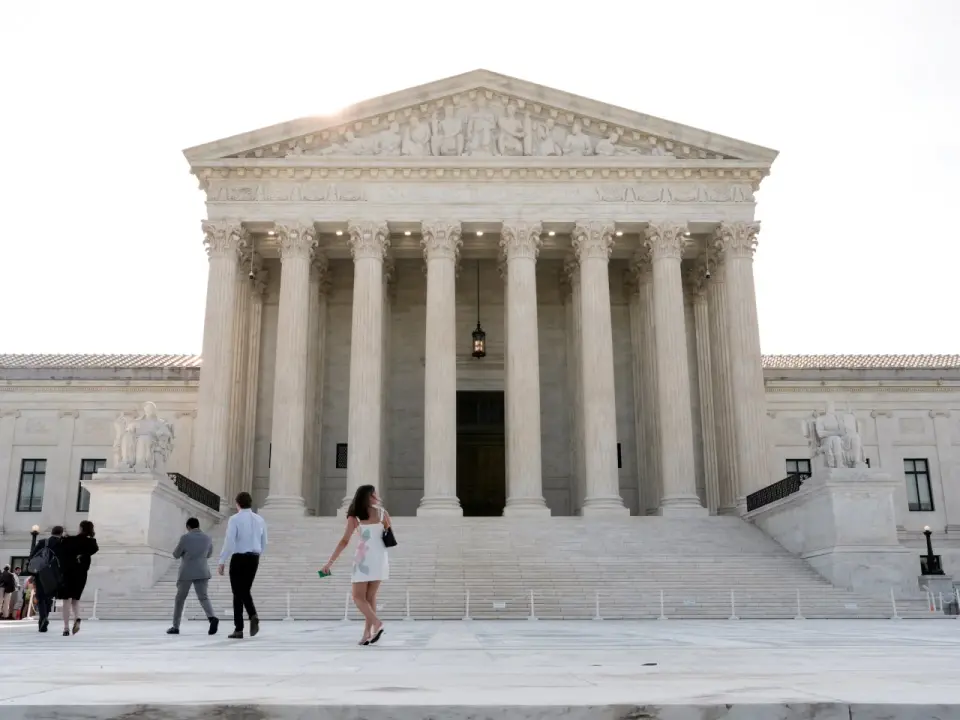
The US Supreme Court has allowed President Trump’s executive order restricting mail voting to proceed, clearing a procedural hurdle but not validating its legality. The 6-3 decision, with three liberal justices dissenting, permits the administration to move forward with its plan to restrict ballot delivery to a federal list of eligible voters and mandate specific envelope designs. However, the ruling is temporary, leaving room for immediate lower-court challenges. With the November midterms approaching, the decision creates urgent logistical and legal uncertainty for states already preparing to mail ballots.
Key points
- The Supreme Court ruled 6-3 that lower courts acted too quickly in blocking Trump’s March executive order, which targets mail voting and voter eligibility lists.
- The order requires the US Postal Service to deliver ballots only to individuals on a federal list of eligible voters and mandates specific envelope designs, including unique identifiers.
- The ruling is procedural, not a final judgment on the order’s constitutionality, and leaves active challenges in lower courts intact.
- The US Postal Service issued its final rule on the new envelope requirements on Friday, days before the Supreme Court’s decision, making the court’s ruling on that section immediately obsolete.
- Democratic officials in 23 states and DC sued to block the order, arguing it violates state control over elections and could cause chaos and partisan abuse.
- The decision creates a logistical crisis for states, as many have already purchased non-compliant envelopes and are racing to prepare for the November midterms.
Background
This dispute follows a series of legal battles since March 2026, when Trump signed the executive order. The Justice Department had previously sought emergency Supreme Court intervention to fast-track implementation before the midterms, arguing that lower courts were delaying necessary election integrity measures. Earlier rulings had blocked the order, citing concerns over voter disenfranchisement and federal overreach. The current decision is the latest in a rapid sequence of legal maneuvers aimed at reshaping mail voting procedures ahead of the November elections.
How outlets are covering it
Al Jazeera and AP News report the Supreme Court’s 6-3 decision as a procedural win for the administration, allowing the order to proceed but not affirming its legality. They emphasize the urgency of the November midterms and the logistical challenges for states. Vox, however, frames the decision as a temporary setback for voting rights, arguing that the order is 'blatantly illegal' and that the court’s ruling is 'obsolete' because the USPS had already issued its final rule. Vox highlights the potential for the order to skew the election toward Republicans, as Democrats are more likely to vote by mail. All sources agree that the decision is not final and that further legal challenges are imminent, but they differ in their assessment of the order’s ultimate legality and impact.
Why it matters
The Supreme Court’s decision has immediate and significant implications for the 2026 midterm elections. By allowing the executive order to proceed, the court has created a legal and logistical crisis for states, many of which are already in the process of mailing ballots. The order’s requirements for specific envelope designs and voter lists could disrupt voting in states that rely heavily on mail ballots, potentially disenfranchising voters and skewing the election. The decision also raises broader questions about the balance of power between the federal government and states in election administration, with potential long-term consequences for voting rights and democratic participation.
What to watch
The next steps will likely involve immediate legal challenges in lower courts, as the Supreme Court’s decision is not a final judgment on the order’s legality. The federal judge who initially blocked the order has signaled she may block the USPS’s new rule, and the case could return to the Supreme Court. States will also be racing to comply with the new requirements, potentially leading to further legal disputes and logistical challenges. The outcome of these challenges will determine whether the executive order takes full effect before the November midterms, with significant implications for voter access and the integrity of the election.
- US Supreme Court allows Trump’s mail voting restrictions to proceed Al Jazeera
- Supreme Court sides with Trump administration on mail voting restrictions ahead of midterms Yahoo
- US Postal Service issues new rule for mail ballots, but its impact on the midterms is uncertain AP News
- The Supreme Court just revived Trump’s attempt to sabotage the 2026 election vox.com
- Supreme Court gives Trump an interim win on his mail voting order, but hurdles loom NPR
Want the full story? Read the original reporting
Read on Al Jazeera