
India Extends Agnipath Service to Address Military Shortfalls and Political Pressure
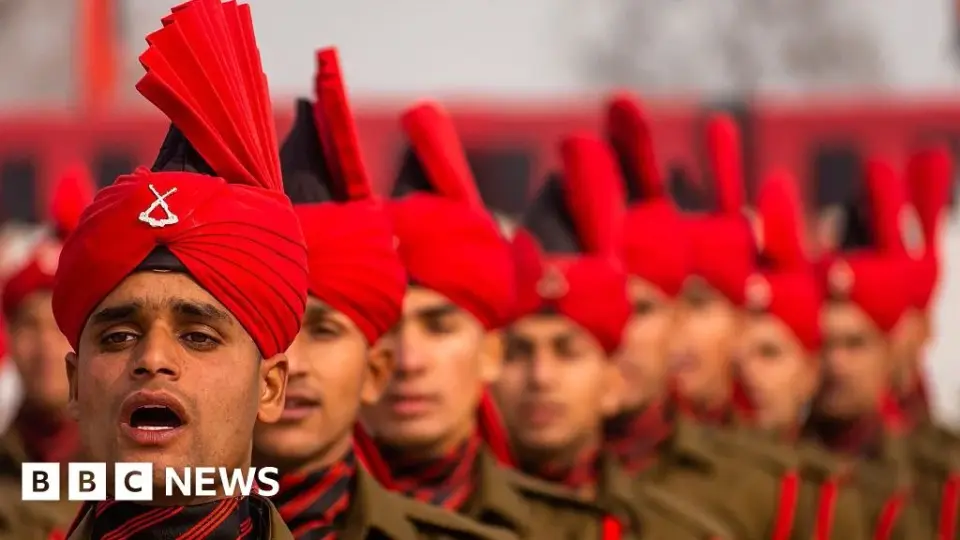
India’s Chief of Defence Staff announced that Agniveers failing to secure permanent posts will receive a two-year extension, offering a second chance at regular commission. This shift, affecting over 300,000 recruits, aims to mitigate severe manpower shortages and political backlash, though critics argue it fails to resolve core issues of unit cohesion and long-term career stability.
Key points
- On 4 November, General NS Raja Subramani confirmed that 75% of the first Agnipath batch will serve an additional two years at higher pay before a second selection for permanent roles.
- The move addresses a reported army shortfall of 180,000 soldiers, with specific deficits in junior commissioned and non-commissioned officer ranks.
- Critics, including retired officers, argue the four-year model undermines the eight-to-nine years required to develop experienced, cohesive units, especially for technical roles.
- The revision coincides with upcoming elections in key recruitment states like Punjab and Uttar Pradesh, prompting opposition claims of a political 'u-turn'.
- The change may impact India-Nepal relations, as the original scheme halted recruitment of Nepali Gorkhas, disrupting a strategic buffer against China.
Background
The Agnipath scheme was introduced in 2022, replacing traditional long-term military careers with four-year contracts for most recruits. This followed a two-year recruitment pause during the pandemic, leading to widespread protests in traditional recruitment hubs. The current revision occurs as the first batch nears the end of its initial tenure, amid ongoing debates about the scheme's impact on military effectiveness and regional security.
How outlets are covering it
BBC and The Economic Times highlight the official stance that the extension is a feedback-driven adjustment, not a rollback, while noting the government's insistence on retaining the core Agnipath structure. National Herald and The Tribune offer sharper criticism, labeling the change a 'band-aid' for a 'colossal blunder' that compromises combat readiness and unit cohesion. The Tribune specifically links the policy to geopolitical risks, arguing that the suspension of Nepali recruitment has weakened India's Himalayan buffer, whereas National Herald emphasizes the human cost, citing families of Agniveers killed in combat who received lesser benefits than regular soldiers.
Why it matters
The revision signals a potential shift in India's defense strategy, balancing fiscal constraints with the urgent need for experienced manpower. It highlights the tension between modernizing recruitment and maintaining the traditional ethos and stability of the armed forces, with implications for regional security and diplomatic relations with Nepal.
What to watch
The government must clarify if future batches will receive similar extensions and negotiate with Nepal to resume Gorkha recruitment. The success of the second selection process for permanent commission will determine if the revised model effectively addresses the army's manpower crisis without further eroding unit cohesion.
- Agniveer: Is India rethinking its short-term military recruitment scheme? BBC
- India moves to retain military recruits amid border risks and troop gaps South China Morning Post
- 'Yeh Sab Galat Hai': CDS Subramani says Agnipath changes not a roll back The Economic Times
- A Band-aid for a deep injury National Herald
- India must repair the Gorkha bridge The Tribune
Want the full story? Read the original reporting
Read on BBC