
Jeffries wins 251-11 vote for House Speaker nomination despite progressive dissent
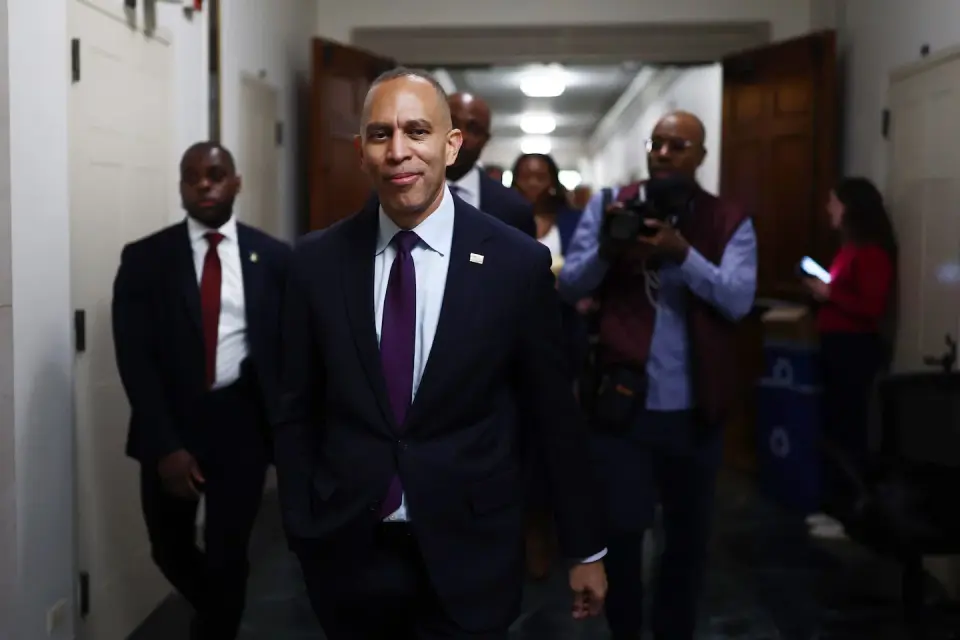
Hakeem Jeffries secured the Democratic nomination for House Speaker with a 251-11 vote, positioning him to become the first Black speaker in U.S. history. While the margin was overwhelming, a small bloc of progressive lawmakers opposed the move, citing unresolved commitments on Medicare for All and foreign policy. Jeffries is expected to win the formal House vote on January 3, 2027.
Key points
- House Democrats voted 251 to 11 to nominate Hakeem Jeffries for Speaker, with two abstentions, according to The New York Times.
- Eleven Democrats voted against the nomination, including seven newly elected progressives who issued a joint statement demanding commitments on Medicare for All and ending arms sales to Israel.
- Jeffries announced support for expanding Medicare eligibility and universal coverage for children, a shift toward progressive priorities to address internal dissent.
- The final formal vote for Speaker is scheduled for January 3, 2027, where Jeffries is expected to easily win given the Democrats' large majority.
- Jeffries’ leadership team includes Katherine Clark as majority leader and Pete Aguilar as whip, both historic firsts for their respective roles.
Background
Prior to the vote, a Change.org petition opposing Jeffries surpassed one million signatures, reflecting grassroots frustration over his perceived moderation on Israel and healthcare. Earlier coverage noted that Jeffries shifted strategy to demand a recorded vote rather than acclamation to neutralize dissent and secure a clear mandate. The 2026 midterms resulted in a historic Democratic majority, with Democrats winning 56 Senate seats and a large House majority.
How outlets are covering it
CNN emphasized the 'ultra-progressive' nature of the dissent, noting that 11 Democrats voted against Jeffries but framing the opposition as small compared to the 250-plus votes in favor. The New York Times focused on the overwhelming margin (251-11) as evidence of broad support within a diverse caucus. The New York Daily News highlighted the historic significance of Jeffries becoming the first Black speaker and noted his tribute to Shirley Chisholm. The Washington Post focused specifically on the seven progressives who voted against him, framing the dissent as a challenge to his leadership. Former Speaker Nancy Pelosi downplayed the impact of the 11 'no' votes, stating they were not significant compared to the 250-plus 'yes' votes.
Why it matters
The nomination sets the stage for a historic shift in House leadership, with Jeffries poised to become the first Black speaker. The internal dissent highlights ongoing tensions within the Democratic Party between centrists and progressives over policy priorities like healthcare and foreign policy. The large Democratic majority suggests that Jeffries will have significant power to enact legislative changes, though he may face hurdles in the Senate and from presidential vetoes.
What to watch
Jeffries is expected to win the formal House vote for Speaker on January 3, 2027. He has pledged to launch an aggressive legislative offensive to enact Democratic priorities, including lowering costs for families, improving healthcare, and ending the war in Iran. The formal vote requires a majority of 218 votes, which Jeffries is expected to easily secure given the Democrats' majority.
- At least seven progressives voted against Hakeem Jeffries for speaker The Washington Post
- Hakeem Jeffries overwhelmingly wins House speaker nomination despite threats from ultra-progressives CNN
- Democrats Nominate Hakeem Jeffries for Speaker of the House, Making History The New York Times
- Jeffries overwhelmingly wins Democratic House Speaker vote New York Daily News
- Hakeem Jeffries’ progressive defectors reveal the limits of their power: From the Politics Desk NBC News
Want the full story? Read the original reporting
Read on The Washington Post