
Judge blocks Trump's White House media ban, citing First Amendment violations
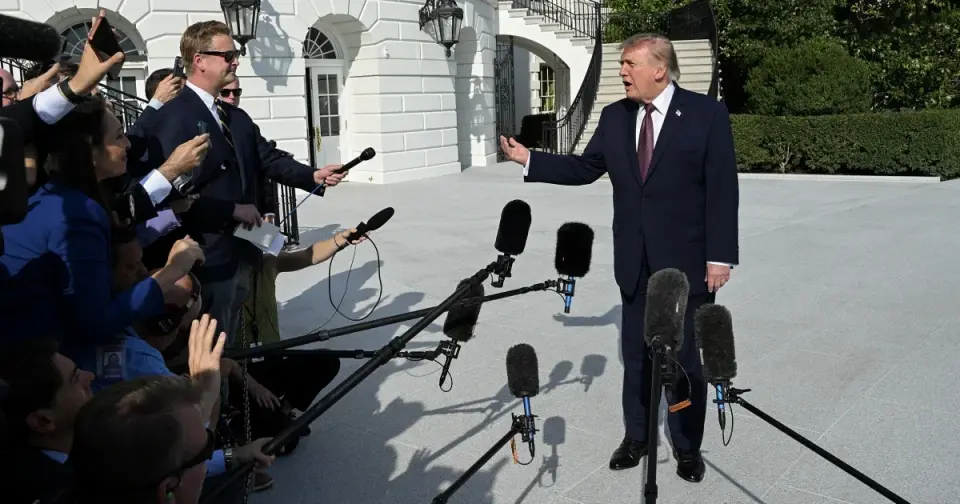
A federal judge has issued a preliminary injunction blocking the Trump administration from banning CNN, MS NOW, and Politico from the White House. The ruling, which restores access for 78 journalists, finds that the ban likely violates the First Amendment and due process rights. The judge rejected the administration's national security justification, citing Trump's public admissions that the ban was retaliatory against critical reporting.
Key points
- U.S. District Judge Timothy Kelly issued a preliminary injunction on October 13, 2026, blocking the Trump administration from banning CNN, MS NOW, and Politico from the White House.
- The ruling restores access for 78 journalists who had their 'hard passes' revoked by Trump on September 18, 2026.
- Kelly found that the ban likely violated the First Amendment and Fifth Amendment due process rights, rejecting the administration's national security justification.
- The judge cited Trump's public admissions, including a Time magazine interview, that the ban was retaliatory against critical reporting.
- The White House has vowed to appeal the ruling, and the Justice Department is investigating five major TV networks for potentially violating federal antitrust laws related to pool coverage.
Background
The dispute began with a Truth Social post by Trump on September 18, 2026, banning CNN, MS NOW, and Politico from the White House. A federal judge issued a temporary restraining order on September 24, 2026, halting the ban after seven days. The outlets filed a lawsuit on September 21, 2026, alleging the ban violated their First Amendment and due process rights. The case has raised alarms over potential criminal prosecution of journalists under the Espionage Act.
How outlets are covering it
The outlets and their attorney, Ted Boutrous, argue that the ban is a blatant violation of the First Amendment and due process, citing Trump's public admissions that the ban was retaliatory. The administration, represented by Justice Department attorney Michael Velchik, argues that the ban was intended to address national security concerns and that access to the White House is a privilege, not a right. Judge Kelly, appointed by Trump in his first term, found that the ban likely violated the First Amendment and due process rights, rejecting the administration's national security justification. The judge expressed some sympathy for Trump's concerns about accuracy and fairness in media reporting but found no evidence in the record to justify the ban from a national security perspective.
Why it matters
The ruling sets a precedent for the First Amendment rights of journalists and the limits of executive power. The case raises alarms over potential criminal prosecution of journalists under the Espionage Act and the chilling effect on other outlets. The Justice Department's investigation of five major TV networks for potentially violating federal antitrust laws related to pool coverage adds another layer of complexity to the dispute.
What to watch
The White House has vowed to appeal the ruling, and the case is expected to proceed to the D.C. federal appeals court. The Justice Department's investigation of five major TV networks for potentially violating federal antitrust laws related to pool coverage is ongoing. The case could take months to resolve, and the ruling may have implications for future disputes between the executive branch and the media.
- Federal judge issues longer-term decision blocking Trump’s White House media ban NBC News
- Judge says Trump press ban likely violates First Amendment CNN
- Judge extends White House access to banned media outlets CNN, MS Now and Politico The Guardian
- Judge extends order blocking Trump from banning CNN, MS NOW and Politico reporters from White House Yahoo
- Judge orders White House to reinstate press access until litigation concludes Axios
Want the full story? Read the original reporting
Read on NBC News