
Lame-duck Congress faces funding deadline and Hegseth impeachment vote
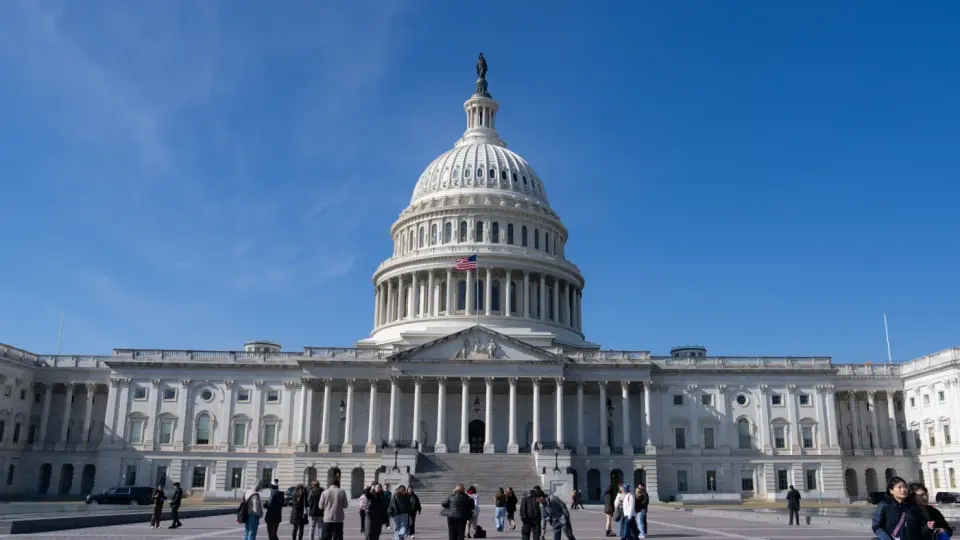
The 119th Congress reconvenes for a final five-week session before Democrats assume control in January. Lawmakers must pass a continuing resolution to avoid a government shutdown on December 11 and resolve the stalled National Defense Authorization Act. The session is dominated by a push to impeach Defense Secretary Pete Hegseth over the Iran war, which many Republicans blame for their midterm losses. Democrats, now holding majorities in both chambers, are expected to block Republican-led deals on energy permitting and college sports, while Republicans struggle with internal leadership disputes and attendance issues.
Key points
- Government funding expires December 11, requiring a short-term continuing resolution as full appropriations bills are unlikely to pass before the new Congress.
- Republican Rep. Thomas Massie is pushing for a House vote on articles of impeachment against Defense Secretary Pete Hegseth, citing failures to consult Congress on the Iran war.
- The National Defense Authorization Act remains stalled due to Democratic objections to Iran war funding and Republican concerns over contractor restrictions.
- Democrats, having won commanding majorities in the House and Senate, are expected to block the bipartisan energy permitting deal and the Protect College Sports Act.
- Republican leadership faces internal turmoil, with Speaker Mike Johnson stepping aside and a contested race between Steve Scalise and Jim Jordan for House leadership.
Background
This session follows the November 2026 midterm elections, where Democrats secured at least 255 House seats and potentially 56 Senate seats. The 119th Congress is concluding its term before the 120th Congress is sworn in on January 3, 2027. Previous attempts to pass the Sunshine Protection Act and other major bills failed due to partisan gridlock, setting a precedent for the current legislative impasse.
How outlets are covering it
NPR emphasizes the logistical challenges of passing legislation with slim Republican majorities and the likelihood of short-term funding extensions. CNBC highlights the strategic leverage Democrats now hold, noting they may use the debt ceiling and funding deadlines to extract concessions from the White House rather than compromise. AP News focuses on the political fallout, describing the session as a 'lame-duck sprint' where Republicans are attempting to finalize their agenda despite a 'demoralizing' performance in the midterms. ABC News details the internal Republican conflict, specifically the tension between Speaker Johnson and Rep. Massie over the impeachment push and the Epstein files, while noting the incoming freshmen class is the largest in nearly a century.
Why it matters
The outcome of this session determines whether the federal government shuts down in December and whether the Pentagon receives its annual authorization. The impeachment of Hegseth could signal a shift in accountability for military decisions, while the failure to pass the energy permitting bill may delay critical infrastructure projects. The new Democratic majorities will likely reshape the legislative landscape for the next two years, prioritizing anti-corruption measures and tariff challenges.
What to watch
The House is expected to vote on Hegseth’s impeachment articles this week. The Senate will hold a procedural vote on the energy permitting bill on Monday. Lawmakers must pass a continuing resolution before December 11 to avoid a shutdown. Republican leadership elections will occur this week, with Democrats holding theirs on November 18. The 120th Congress will convene on January 3, 2027.
- Congress is coming back to Washington. Here's what to expect NPR
- Congress returns with government funding, Pete Hegseth and the debt limit on the agenda CNBC
- After losing Congress, Republicans have one last shot to pass their agenda The Washington Post
- Congress returns to a changed Washington after GOP’s election wipeout AP News
- Congress returns for crowded lame-duck session as Hegseth impeachment, government funding deadline loom ABC News - Breaking News, Latest News and Videos
Want the full story? Read the original reporting
Read on NPR