
Lame-duck Congress races to fund government and impeach Hegseth before January
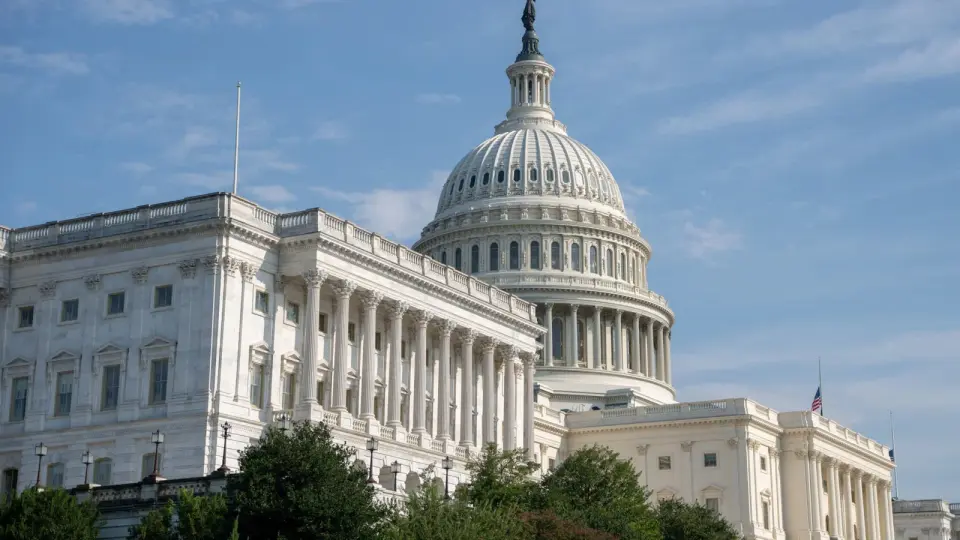
Congress reconvenes Monday for a final five-week session before the 120th Congress begins in January. The agenda is dominated by the urgent need to pass a continuing resolution before funding expires on December 11, alongside a likely House vote to impeach Defense Secretary Pete Hegseth. Republicans, now in the minority after losing majorities in both chambers, are racing to confirm judicial nominees and pass defense and permitting bills, while Democrats leverage their new power to block GOP priorities and demand concessions from the White House.
Key points
- Government funding expires December 11; Congress must pass a continuing resolution or full appropriations to avoid a shutdown.
- The House is expected to vote on articles of impeachment against Defense Secretary Pete Hegseth, with Democrats and some Republicans supporting the move.
- Republicans are pushing to confirm judicial nominees and pass the National Defense Authorization Act (NDAA) before losing control in January.
- Democrats, now holding majorities in both chambers, are unlikely to negotiate full-year funding deals, preferring to leverage their power in the next Congress.
- The debt ceiling remains a critical issue, with estimates suggesting the U.S. may face borrowing limits by mid-2027.
Background
This session follows the 2026 midterm elections, where Democrats won commanding majorities in the House and likely the Senate, ending Republican control. Previous coverage highlighted the thin Republican margins and the contentious nature of the lame-duck period, including disputes over executive spending cuts and the Iran war.
How outlets are covering it
CNBC emphasizes the Democratic leverage in funding negotiations and the potential for Democrats to torpedo Republican deals on permitting and college sports. CNN focuses on the likelihood of Hegseth’s impeachment, noting that Rep. Thomas Massie sees passage as 'far more likely' post-election, and highlights internal GOP divisions over the Iran war. The Washington Post stresses the Republican urgency to pass legislation and confirm nominees through reconciliation or expedited votes, warning that time is running short. AP News frames the session as a 'changed Washington,' highlighting the contrast between jubilant incoming Democrats and sobering outgoing Republicans, while noting Trump’s defense of Hegseth.
Why it matters
The outcome of this session will determine whether the government avoids a shutdown and sets the stage for the next Congress’s agenda. The impeachment of Hegseth could reshape the Pentagon’s leadership and military policy, while the debt ceiling and funding debates will impact the U.S. economy and federal operations. The shift in power also signals a potential change in the balance of influence between the executive and legislative branches.
What to watch
Congress will vote on the Hegseth impeachment resolution this week. Lawmakers will negotiate a continuing resolution to avoid a shutdown by December 11. The Senate will hold procedural votes on the permitting bill and NDAA. Republicans will push to confirm judicial nominees before January 3, when the new Congress convenes.
- Congress returns with government funding, Pete Hegseth and the debt limit on the agenda CNBC
- Midterm elections latest: Key GOP congressman sees House approval of Hegseth impeachment ‘far more likely’ CNN
- After losing Congress, Republicans have one last shot to pass their agenda The Washington Post
- Congress returns to a changed Washington after GOP’s election wipeout AP News
- Trump administration live updates: Congress returns with government funding atop to-do list NBC News
Want the full story? Read the original reporting
Read on CNBC