
Mamdani Delays Rikers Closure to 2032, Proposes Four Borough Jails
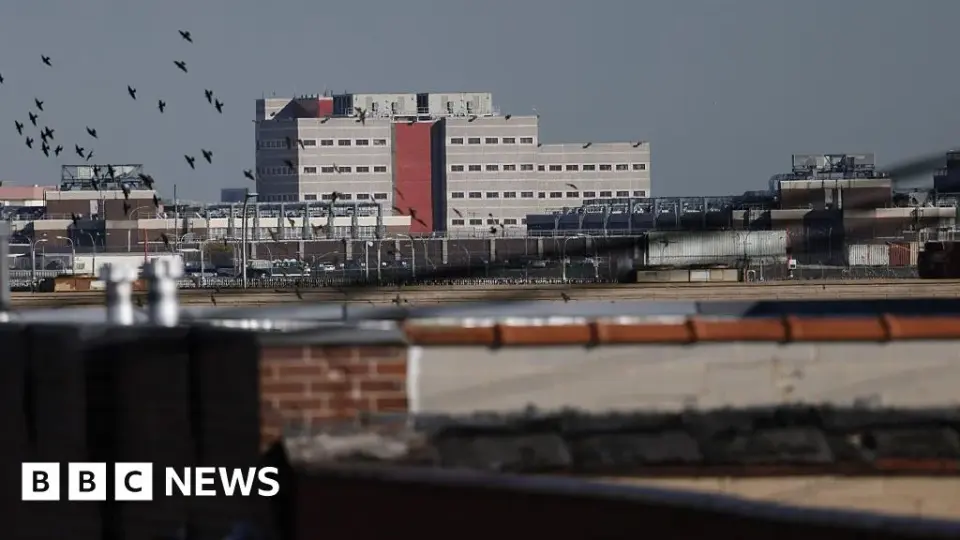
New York City Mayor Zohran Mamdani unveiled a comprehensive plan to close the Rikers Island jail complex by the end of 2032, extending the previous legal deadline of August 2027 by five years. The strategy involves constructing four smaller, modern jails in the boroughs, reducing the inmate population from approximately 6,600 to 4,100, and investing $146 million in mental health and community services. While the administration frames this as a necessary step to ensure humane conditions and public safety, the proposal faces opposition from correction officers' unions and civil rights groups who argue that delaying closure prolongs suffering and that population caps may force the release of dangerous individuals.
Key points
- The plan shifts the closure deadline from August 2027 to 2032, citing construction delays and rising jail populations since 2020.
- Four new borough-based jails will be built: Brooklyn (2029), Bronx and Queens (2031), and Manhattan (2032).
- The city aims to reduce the detainee population from 6,600 to 4,100 by 2032, with an intermediate target of 5,500 by 2029.
- A $146 million investment is proposed for mental health care, substance use treatment, vocational programming, and victim services.
- The plan includes creating 340 therapeutic beds in NYC Health + Hospitals facilities for individuals with serious mental health conditions.
- City Council Speaker Julie Menin supports the delay, stating that previous administrations failed to meet the 2027 deadline.
Background
Efforts to close Rikers Island began in 2019 when the City Council passed legislation mandating closure by 2027. However, progress stalled under former Mayor Eric Adams, leading to a federal court order in 2025 that placed the facility under the control of an independent monitor. The current administration has already taken steps to improve conditions, including opening 104 therapeutic beds at Bellevue Hospital and closing the vacant North Infirmary Command facility.
How outlets are covering it
The Mamdani administration and City Council Speaker Julie Menin argue that the delay is necessary due to construction setbacks and the need to reduce the jail population safely. They emphasize that the new borough-based jails will offer better conditions, easier access for families, and improved safety for staff. In contrast, the NYC Correction Officers' Benevolent Association opposes the plan, stating that capping jail beds at 4,100 is 'irresponsible' and may force the release of individuals charged with violent felonies, jeopardizing public safety. The New York Civil Liberties Union criticized the delayed timeline, arguing that every day Rikers remains open puts the lives and well-being of detainees at risk. Additionally, some Chinatown residents expressed concern about the potential impact of the Manhattan facility construction on their community, citing previous construction delays.
Why it matters
The closure of Rikers Island is a significant issue for New York City, as the facility has been criticized for its deteriorating conditions, staffing shortages, and high number of inmate deaths. The plan to replace it with borough-based jails aims to create a more humane and effective correctional system, while also addressing the root causes of incarceration through community-based services and mental health support. The outcome of this plan will have a lasting impact on the city's criminal justice system and the lives of thousands of New Yorkers.
What to watch
The City Council must approve the updated timeline and legislation to implement the plan. The administration will work with the federal monitor, the Board of Correction, and other partners to ensure the transition is successful. Quarterly updates will be provided to track progress, and the city will continue to invest in community-based services and mental health care to reduce the jail population and improve outcomes for detainees.
- Mamdani reveals plan for closure of New York's Rikers Island jail BBC
- Mayor Mamdani proposes delaying Rikers Island closure deadline to 2032 ABC7 New York
- Zohran Mamdani unveils plan to close Rikers Island jail complex The Guardian
- Mayor Mamdani Releases City’s First Comprehensive Plan to Close Rikers Island NYC.gov
- New York City unveils a bold plan to move its jails off Rikers Island NPR
Want the full story? Read the original reporting
Read on BBC