
Michigan Democrat Haley Stevens Endorses Republican Mike Rogers in Final Days of Midterm
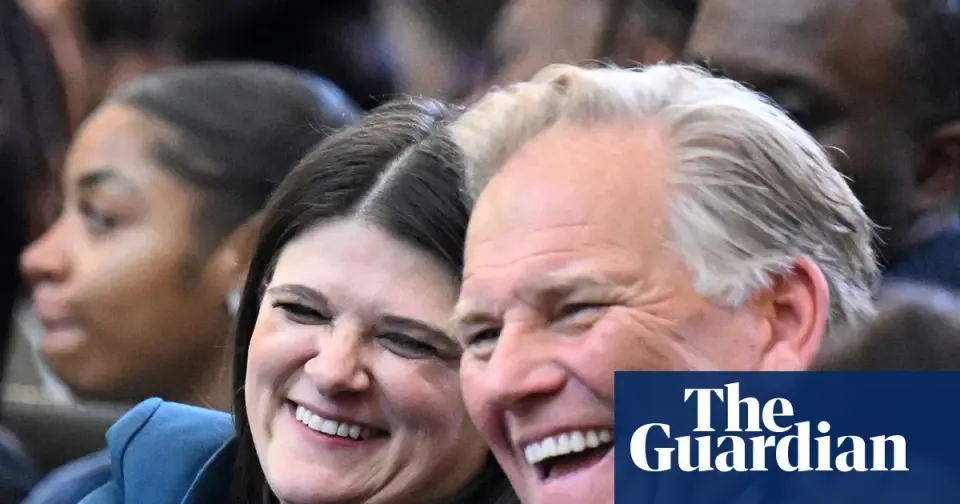
Congresswoman Haley Stevens endorsed Republican Mike Rogers in the Michigan Senate race on Sunday, two days before the election, after a public feud with Democratic nominee Abdul El-Sayed. The split followed Stevens’s appearance at a Detroit church with Rogers and her exclusion from El-Sayed’s campaign events. The move triggered immediate staff resignations and sharp criticism from Democratic leaders, who called it a betrayal of party unity. The Michigan race is viewed as pivotal for Senate control, with the seat last held by a Republican in 1994. The dispute centered on El-Sayed’s refusal to condemn an outside ad linking Israel to high living costs, a demand Stevens had made as a condition for supporting him. Democratic leaders, including Chuck Schumer, urged voters to back El-Sayed despite the rift, while Trump amplified the division by criticizing El-Sayed. The endorsement underscores deep intra-party tensions over Israel policy and party direction ahead of the 2028 presidential cycle.
Key points
- Haley Stevens endorsed Republican Mike Rogers on Sunday, two days before the midterm election, after appearing with him at a Detroit church.
- Stevens cited El-Sayed’s refusal to condemn an outside ad blaming Israel for high living costs and his exclusion of her from campaign events as reasons for her switch.
- El-Sayed’s campaign formally disinvited Stevens from events, and Stevens’s chief of staff and communications director resigned following the endorsement.
- Democratic leaders, including Chuck Schumer and Michigan chair Curtis Hertel, condemned the endorsement as a betrayal and urged voters to support El-Sayed.
- The Michigan Senate race is considered one of the tightest in the cycle, with the seat last held by a Republican in 1994 and viewed as crucial for Senate control.
- Trump amplified the rift by criticizing El-Sayed and giving Stevens 'credit,' while El-Sayed dismissed the feud as irrelevant to voters.
Background
The Michigan Senate race has been a focal point of the 2026 midterms, with the seat last held by a Republican in 1994 and viewed as pivotal for Senate control. The Democratic primary between Stevens and El-Sayed was closely contested, with Stevens losing by a narrow margin. The feud between the two candidates escalated over Israel policy, with Stevens demanding El-Sayed condemn an outside ad linking US support for Israel to high living costs. El-Sayed refused, accusing Stevens of reopening settled primary debates. The dispute highlighted deeper intra-party tensions over Israel and party direction, with Stevens seen as a centrist and El-Sayed as a left-wing outsider. The endorsement by Stevens, a sitting congresswoman, marked a significant intra-party fracture in a race viewed as crucial for Senate control.
How outlets are covering it
The Guardian and BBC reported the endorsement as a betrayal of party unity, with Democratic leaders condemning Stevens for abandoning her party’s nominee. CNN highlighted the broader context of the midterms, including early vote trends in battleground states and the Alaska Senate race controversy, while also noting Trump’s amplification of the Michigan rift. Axios provided minimal coverage, focusing on the endorsement itself. The outlets agreed on the facts of the endorsement and its timing but differed in emphasis: The Guardian and BBC focused on the intra-party feud and Democratic reaction, while CNN contextualized the event within the broader midterm landscape and Trump’s role. All outlets noted the race’s significance for Senate control and the deep divisions over Israel policy and party direction.
Why it matters
The endorsement by Haley Stevens, a sitting Democratic congresswoman, in the final days of the midterm election signals a significant intra-party fracture that could impact voter turnout and unity in a pivotal race. The Michigan Senate seat is viewed as crucial for Senate control, with the last Republican elected in 1994. The dispute over Israel policy and party direction highlights deeper tensions within the Democratic Party ahead of the 2028 presidential cycle. The move could also influence national perceptions of Democratic unity and the party’s ability to provide a check on Trump’s agenda. The endorsement underscores the risks of intra-party feuds in close races and the potential for such disputes to undermine party cohesion in critical elections.
What to watch
Voters in Michigan will decide the Senate race on Tuesday, with the outcome potentially determining control of the Senate. Democratic leaders will continue to urge voters to support El-Sayed, while Republican campaigns may leverage the rift to amplify their message. The fallout from the endorsement, including staff resignations and public criticism, will likely be monitored for its impact on voter sentiment and party unity. The broader midterm results will determine the balance of power in Congress and the ability of Democrats to provide a check on Trump’s agenda. The dispute may also influence future intra-party dynamics and the party’s direction ahead of the 2028 presidential cycle.
- Democrat Haley Stevens endorses Abdul El-Sayed’s Republican rival Mike Rogers The Guardian
- Democrat Haley Stevens breaks with her party to endorse Michigan Republican Senate nominee CNN
- Haley Stevens endorses Republican in key Michigan Senate race BBC
- Haley Stevens endorses Mike Rogers amid Michigan Democratic feud Axios
- Dem. Haley Stevens joins Rep. Mike Rogers at Detroit church USA Today
Want the full story? Read the original reporting
Read on The Guardian