
Midterm 2026: The Rise of the 'Overtime Mom' and the Independent Voter
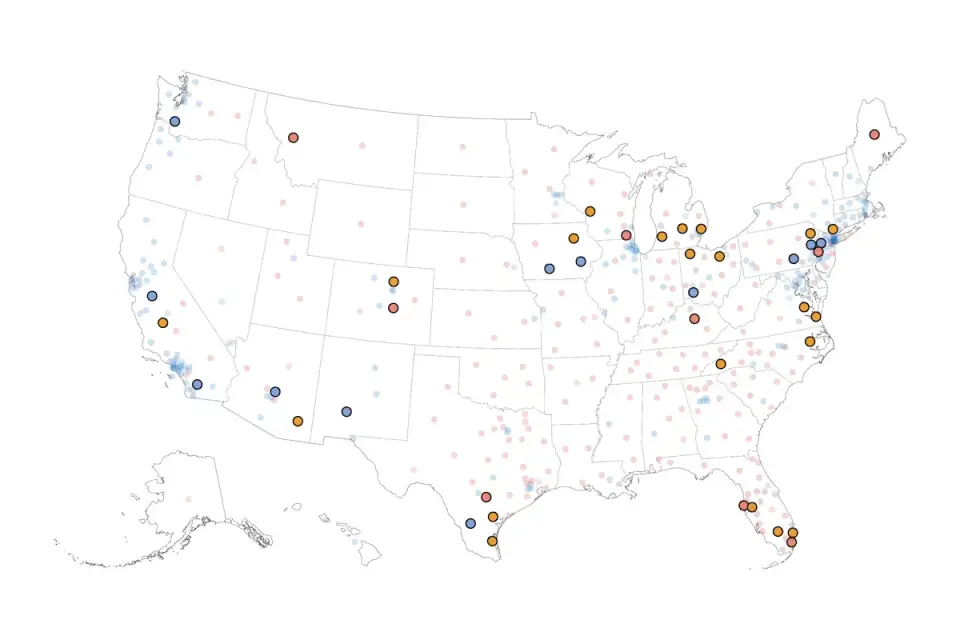
As the 2026 midterms approach, control of Congress hinges on a specific demographic of unaffiliated, working-class voters, particularly in swing districts. While Democrats lead in the House, the Senate remains a toss-up, with both parties scrambling to court independents who are dissatisfied with the current economic trajectory.
Key points
- Washington Post analysis identifies 'overtime moms'—married, Hispanic, millennial voters without college degrees in small cities—as the decisive demographic in approximately 36 battleground House districts.
- These districts contain 10% of the U.S. population but feature higher rates of Hispanic residents, homeownership, and small-city living compared to the national average.
- Gallup polling shows 45% of American adults now identify as independents, a record high, with this group making up a majority in Alaska and 30-40% of voters in key swing states like Iowa and Ohio.
- Republicans are trailing Democrats by 12 points on inflation and 7 points on the economy, a reversal from their 2024 advantage, prompting GOP candidates to distance themselves from President Trump to appeal to independents.
- Democrats hold an 8-point lead on the generic ballot for the House, while the Senate race remains competitive, with forecasters noting improved Democratic chances since summer.
Background
This election follows a period of significant political volatility, including legal battles over congressional maps in states like Missouri and ongoing disputes regarding voter rolls. The current landscape is shaped by a historic shift in party identification, where independents have grown from 27% of voters in 2020 to 34% in 2024, according to pollsters. This trend is driven largely by millennials and Gen Z voters choosing unaffiliation, creating a new political center that both parties are now targeting.
How outlets are covering it
The Washington Post focuses on the demographic profile of the decisive voter, highlighting the economic anxieties of working-class families in swing districts. In contrast, The Los Angeles Times emphasizes the strategic maneuvering of candidates, noting how Republicans are distancing themselves from Trump to win over independents who are dissatisfied with his economic policies. The Ripon Society, a GOP-aligned group, argues that the party’s failure to communicate the benefits of its tax bill has cost them trust on economic issues, while Independent Voter News highlights the structural issue of closed primaries, which excludes independents from the nomination process until the general election. All sources agree that the cost of living and economic performance are the primary drivers of voter dissatisfaction, but they differ on whether the current economic trend favors the incumbent party or the opposition.
Why it matters
The outcome of the 2026 midterms will determine the balance of power in Congress for the next two years, directly impacting the ability of the executive branch to implement policy. The shift toward independent voters suggests a fundamental change in the American political landscape, where traditional party loyalty is eroding in favor of issue-based voting. This could lead to a more fragmented Congress, making it harder to pass major legislation, or it could result in a significant shift in power if one party successfully captures the independent bloc. The economic anxieties of these voters, particularly regarding inflation and cost of living, will likely shape the priorities of the next Congress.
What to watch
In the final weeks before the election, both parties will intensify their efforts to court independent voters, with Republicans focusing on distancing themselves from Trump and Democrats emphasizing their economic message. The outcome of the Senate races in swing states like Iowa, Kansas, and Ohio will be crucial, as these states have high concentrations of independent voters. Additionally, the turnout of party faithful will play a significant role, as even a small shift in turnout could swing individual races. The coming weeks will also see increased spending on advertising and debates, as candidates attempt to persuade undecided voters.
- These are the voters who will decide the midterm elections The Washington Post
- With Senate majority up for grabs, candidates fight for ‘kingmaker’ voters Los Angeles Times
- “Independents are going to play a very significant role.” The Ripon Society
- Election Day Is Closing In. Now, Everyone Wants the Independent Voter Independent Voter News
- Meet the ‘independent voters’ who will likely decide which party triumphs in the 2026 midterm elections The Conversation
Want the full story? Read the original reporting
Read on The Washington Post