A Reuters/Ipsos poll finds Democrats ahead of Republicans by 8 points on who is better at addressing affordability (36% to 28%), the largest gap since last October, while Trump’s approval sits at a term-low 33%. The results suggest mounting political headwinds for Republicans ahead of the midterms.
A YouGov survey for Ally Bank finds Americans are 'joy pressured' by inflation: while many still spend on joy, 72% feel guilty about joy purchases competing with other goals and 77% cut back on joy at times. The Joy Index averages 54.2, with higher incomes linked to higher scores but less emotional tax; boomers report the least guilt, while Gen Z and millennials report more. People balance joy with essentials, saving up or cutting back on necessities, and many view vacations and time with loved ones as the real luxuries, indicating a deliberate, value-driven approach to spending amid cost-of-living pressures.
Under new sanctions, Iran’s rial collapsed past 2 million per USD, triggering sharp price hikes for basics (tomatoes +71%, chicken +74%, cooking oil +177%) and life-saving meds (insulin +642%, paracetamol +93%, baby formula +95%), leaving families struggling to cover everyday needs as wages lag behind inflation; businesses report falling demand and risk of bankruptcy as the cost of living soars.
House Democratic Leader Hakeem Jeffries defended his private meeting with Jared Kushner as a high-level bipartisan discussion on issues like immigration, housing, and the cost of living, saying no concrete outcomes were achieved. He suggested he could meet with Trump aides if it serves legislative aims and reiterated his stance on addressing the affordability crisis. The exchange comes after left-leaning critics urged subpoenas or condemnation, while some Democrats voiced support. Jeffries and Kushner had previously collaborated on the First Step Act.
A 2026 Allianz Center for the Future of Retirement survey found that 52% of childless Americans are confident about saving for retirement (vs 72% with children), while 71% worry rising living costs will affect retirement (vs 64% with kids). Many childless adults lack a written financial plan (62% vs 42%), and only 19.9% have a will, highlighting that not having kids does not automatically ease retirement planning—especially for singles facing higher housing costs and limited planning.
Kentucky Gov. Andy Beshear called socialism a 'failed experiment' during a CBS interview, even as a CBS poll found Democrats view it more favorably than capitalism. He argued Americans are hurting from high prices and limited access to healthcare, and promoted bold reforms—abolishing the Electoral College, instituting term limits for Congress and the Supreme Court, and pushing for direct elections—to deliver results without embracing radical elements.
Trump once seen as a political savant faces a difficult midterm moment as costly Middle East engagements, rising living costs, and self-promotional projects dominate headlines. With his approval sinking in polls and GOP fears rising about losing the House (and risking the Senate), critics say the administration’s wars and spending are hurting the party. Meanwhile, Trump’s personal wealth from business interests provides a counterpoint to the political headwinds, even as insiders warn his focus on monuments and branding could undermine his party’s messaging.
InterNations’ 2026 Expat Insider ranks 31 destinations for expatriates, with Panama taking the top spot thanks to strong working-abroad and personal-finance scores; Mexico is second for ease of settling in, followed by Thailand (affordable and happy), the UAE (career prospects and expat services), and Brazil (happiness and friendliness). The report notes that seven of the top ten are among the easiest places to settle, with several leading in personal finances, though safety varies by country.
Globe profiles Rory Pryor, a 29-year-old bookseller at downtown Boston’s Brattle Book Shop, illustrating how their approximate $760 weekly pay is managed in a city with a high cost of living; Pryor began part-time while at Emerson College and has worked full-time there since 2019.
Seattle is grappling with one of the nation’s highest inflation rates (4.5% in June), driven mainly by energy costs: gas around $5.30 a gallon and electricity bills rising sharply, with Seattle utilities up about 48.5% since 2024 and rate hikes planned for 2027–29. Rent and everyday expenses squeeze households—commuters like Britney Johnson spend about $1,700 on rent and $200 on utilities while cutting back on dining and groceries; many people, including tech workers, report budget-driven sacrifices and job insecurity as energy costs and the cost of living stay high. The piece notes how energy regulation, data-center demand, and the region’s high base costs are widening the gap for middle-class families.
California will raise its minimum wage to $17.40 per hour starting Jan 1 next year, the highest in the United States, a move Newsom frames as helping working families amid high living costs and as a jab at federal wage stagnation; MIT estimates a two-adult, two-child household needs about $36.38 per hour to cover basics, and several states already exceed the federal minimum of $7.25.
Britain’s new government, led by Andy Burnham, says most England bus fares outside London will be capped at £2 from 1 January 2027, a policy costing over £500m funded by reallocating £454m from the DESN budget and other sources. The move echoes Burnham’s earlier Manchester caps and aims to ease living costs and support rural and coastal travel, though officials acknowledge it isn’t a complete solution to inflation or public-transport funding. The plan follows prior caps that helped affordability in parts of England and builds on the broader goal of boosting bus usage amid post-pandemic recovery.
New PM Andy Burnham pledges to ease the cost of living by cutting VAT on domestic electricity bills from 5% to 0% (roughly £45 a year in savings) and by reviewing the tax-free personal allowance, with John Healey as chancellor to fund the measures; he also signals social tariffs and housing/transport support, while energy bills remain linked to wholesale gas costs.
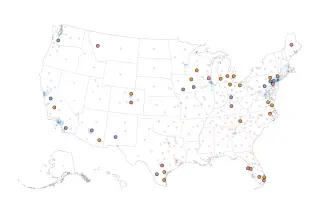
A USA TODAY piece follows six Americans from coast to coast as they cope with persistent inflation: rising housing costs, high gas prices, and pricier groceries and health care have squeezed budgets, prompting some to dip into savings or retirement funds, cut dining out and driving, and rethink major purchases. Inflation has run about 25% higher since 2021, with June’s rate at 3.5%, underscoring that relief remains distant for many households.
UK Labour leader Andy Burnham will scrap the plan for a mandatory government-issued digital ID for all adults, redirecting the resources to cost-of-living relief and other everyday priorities, while signaling plans to pursue North Sea oil and gas drilling in line with Labour's manifesto.