
Paraguay ousts President Peña over Ueno Bank collapse, freezes assets for millions
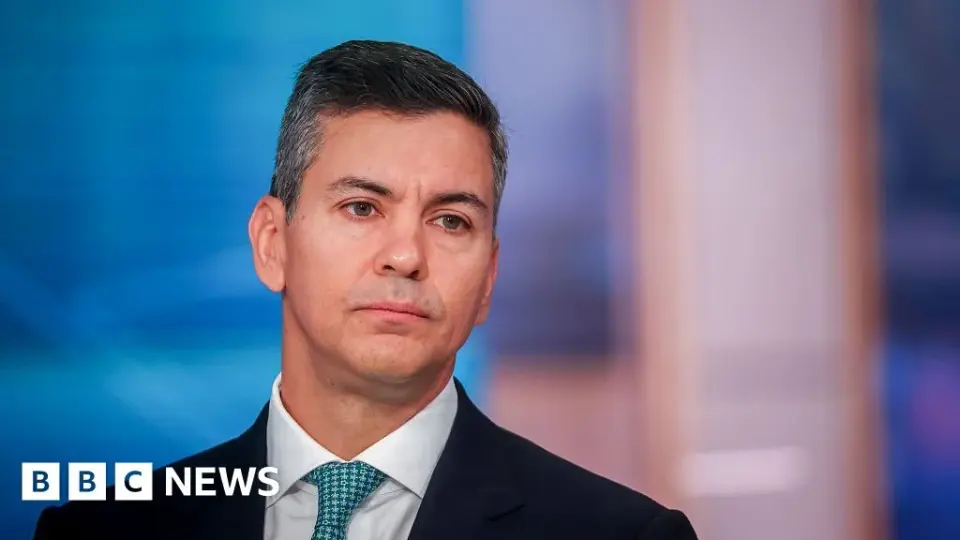
Paraguayan President Santiago Peña was impeached and placed under house arrest on Friday after the Senate voted 44-0 to remove him over the collapse of Ueno Bank. The digital lender’s seizure by the central bank froze savings for nearly three million citizens, including public pension funds. Peña, who held a stake in the bank’s parent company until 2025, faced charges of breach of trust and influence peddling. Vice President Pedro Alliana was sworn in as interim president, vowing to compensate affected depositors. The crisis marked the second impeachment of a Paraguayan president since 1989 and triggered widespread protests in Asunción.
Key points
- Senate voted 44-0 to impeach Peña, stripping him of lifetime immunity and Senate seat.
- Ueno Bank was seized after its solvency ratio fell below 50%, freezing assets for 3 million customers.
- Peña faces charges of breach of trust, influence peddling, and misappropriation of funds.
- Vice President Pedro Alliana was sworn in as interim president until 2028.
- Protests erupted in Asunción as depositors demanded access to their frozen savings.
Background
Paraguay has faced recurring banking crises, with Ueno’s collapse described as the worst political and financial scandal in over a decade. The digital lender, which grew to become the fifth-largest bank by deposits, relied heavily on public funds, including $355 million from the state pension fund. Peña’s former stake in the bank’s parent company and his appointment of Carlos Carvallo as central bank chief raised questions about regulatory oversight. The crisis followed a rapid political shift, with Peña’s own Colorado Party turning against him after his mentor, former President Horacio Cartes, called for his ouster.
How outlets are covering it
BBC and NBC News emphasized the speed of Peña’s fall, from resignation offer to house arrest within 48 hours, and the loss of immunity due to impeachment. CNN focused on the initial resignation and the central bank’s solvency findings, while Al Jazeera highlighted the political dynamics within the Colorado Party and the role of former President Cartes. All sources agreed on the scale of the financial impact, with NBC noting that some depositors began recovering funds up to $1,500, while others remained locked out. Peña’s defense team called the allegations 'reckless,' while prosecutors and lawmakers framed the case as a historic corruption scandal.
Why it matters
The impeachment and arrest of Peña mark a pivotal moment in Paraguayan democracy, testing the country’s institutional resilience after a financial crisis that affected nearly half its population. The case underscores the risks of regulatory capture and the consequences of political patronage in financial systems. As Alliana takes office, the government faces pressure to restore public trust, compensate depositors, and prosecute those responsible for Ueno’s collapse, with potential implications for regional financial stability and emerging market confidence.
What to watch
Peña is due to appear before prosecutors on Saturday for questioning on charges of breach of trust and influence peddling. The interim government will oversee the return of frozen assets, with the central bank stating that 97% of Ueno’s customers are covered by insurance up to $35,000. Criminal proceedings against 27 individuals, including Ueno’s founder Miguel Vázquez, are ongoing, with six former directors held in pretrial detention. Alliana’s administration will face scrutiny over its handling of the crisis and efforts to restore confidence in Paraguay’s financial system.
- Paraguay's President Santiago Peña impeached and arrested BBC
- Paraguay president impeached following bank collapse scandal CNN
- Ousted Paraguayan president placed under house arrest after bank collapse NBC News
- Paraguay’s Santiago Pena under arrest, new president Pedro Alliana sworn in Al Jazeera
- Ousted Paraguay president under house arrest after banking crisis leaves 60% of country unable to access accounts The Guardian
Want the full story? Read the original reporting
Read on BBC