
Portadown Standoff: Thousands Block Orange Order March in First Attempt in 28 Years
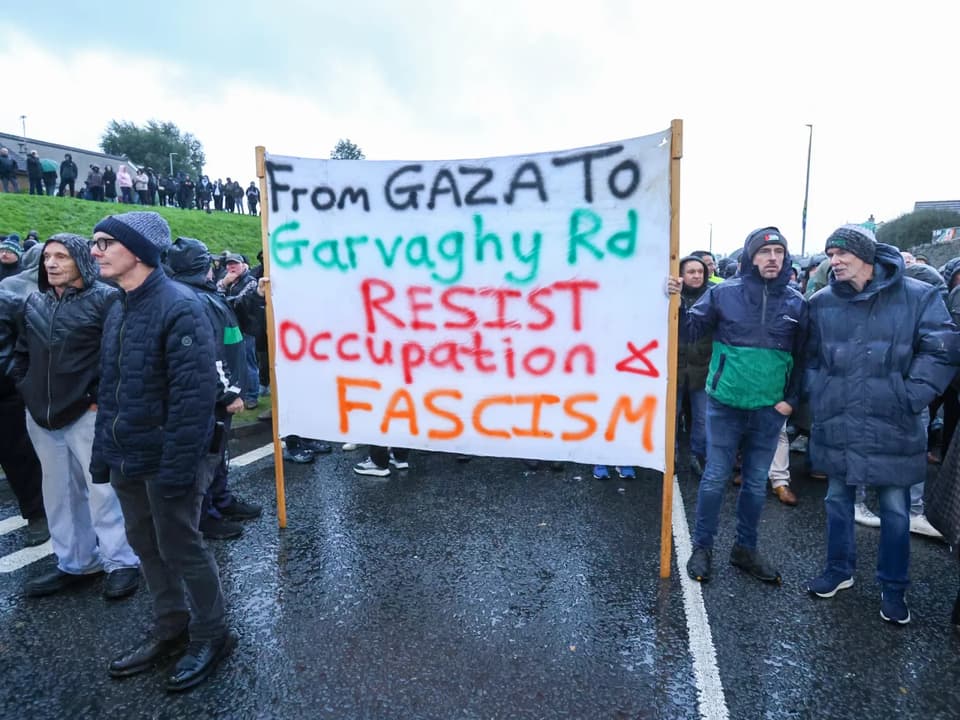
Thousands of protesters blocked the Orange Order from marching down Garvaghy Road in Portadown, Northern Ireland, on Sunday, marking the first attempt in 28 years. The High Court had overturned a ban, but Sinn Féin leaders joined the blockade, while DUP leaders demanded the rule of law be upheld. Police and UK officials called for calm as the standoff continued.
Key points
- The Northern Ireland High Court permitted the Orange Order to march through the mainly Catholic area of Portadown for the first time since 1998, overturning a temporary injunction.
- Thousands of protesters, including First Minister Michelle O’Neill and Sinn Féin leader Mary Lou McDonald, blocked Garvaghy Road, calling the decision 'primitive' and 'intolerable.'
- DUP leader Gavin Robinson criticized Sinn Féin for breaking the law, stating the Orange Order could wait weeks if necessary to uphold legal rulings.
- Northern Ireland Secretary Chris Bryant traveled to Belfast to appeal for compromise, while PSNI Chief Constable Jon Boutcher emphasized avoiding violence and disorder.
- The Parades Commission had approved the march with strict limits, including a 35-person cap and no bands, but the blockade prevented the procession from starting.
Background
The Drumcree parade dispute became a major flashpoint during the 'Troubles,' with violence in the 1990s leading to a 1998 ban. The 1998 Good Friday Agreement ended decades of conflict, but tensions over identity and unionism remain. Recent political shifts, including Trump’s comments on a united Ireland, have heightened sensitivities around Northern Ireland’s status.
How outlets are covering it
Al Jazeera and CBS News highlight the protest’s scale and Sinn Féin’s opposition, framing the march as a regression. The Guardian emphasizes the DUP’s defense of the rule of law and the political implications for Stormont. All sources agree on the court’s decision but differ in tone: Al Jazeera and CBS focus on the protest’s legitimacy, while The Guardian notes the DUP’s criticism of Sinn Féin’s actions.
Why it matters
The standoff tests Northern Ireland’s peace process and power-sharing institutions. It risks reigniting sectarian divisions and could undermine the fragile political stability established since the 1998 Good Friday Agreement. The outcome may influence future disputes over identity and unionism in the region.
What to watch
Police and political leaders are seeking a resolution to the standoff. The Orange Order may wait for a legal window to march, while protesters remain determined to block the route. UK and Irish governments are monitoring the situation to prevent violence and preserve peace.
- Northern Ireland protesters block Catholic area before Orange Order march Al Jazeera
- Drumcree: Protests as controversial Orange Order march due to go ahead for first time since 1997 BBC
- Controversial Northern Ireland march set to be held for first time since Good Friday Agreement CBS News
- Protesters block Orange Order from marching through Catholic area in Northern Ireland Reuters
- Northern Ireland live: controversial Orange Order march in Portadown delayed amid huge counter-protest The Guardian
Want the full story? Read the original reporting
Read on Al Jazeera