
Sánchez Calls November 29 Election After Housing Decree Defeat
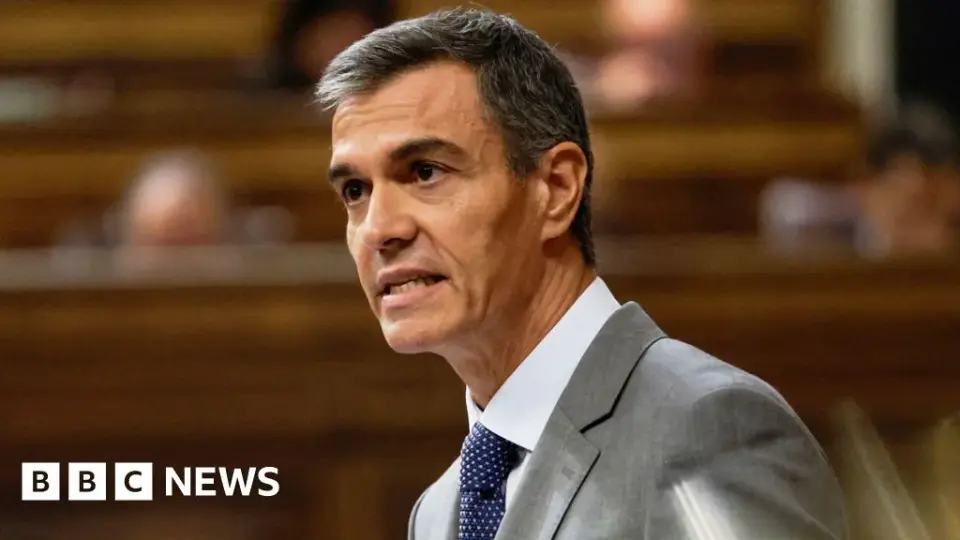
Spanish Prime Minister Pedro Sánchez has called an early general election for November 29, 2026, after his minority government failed to pass emergency housing legislation. The decision follows nationwide protests triggered by the eviction of 87-year-old Maricarmen Abascal and growing political pressure from corruption scandals. Although polls favor the conservative opposition, Sánchez aims to leverage public anger over housing to secure a broader progressive majority before the scheduled 2027 vote.
Key points
- Sánchez announced the snap election in a televised address, citing the need for a broader progressive majority to overcome elite resistance to housing reforms.
- Parliament rejected two decree laws on Friday, including measures to suspend evictions of vulnerable tenants until 2030 and mandate automatic rental contract renewals.
- The eviction of Maricarmen Abascal, whose rent rose from €500 to €2,650 due to a legal glitch, sparked mass protests in Madrid, Valencia, and Barcelona.
- Sánchez acknowledged mistakes in his leadership, citing unresolved issues in inequality, public services, and housing access, while facing corruption scandals involving his wife and former allies.
- Opposition leader Alberto Núñez Feijóo framed the election as a choice between decline and change, noting that the People's Party may need support from the far-right Vox to form a government.
Background
Spain was not due to hold a general election until the summer of 2027. Sánchez has been prime minister since June 2018, maintaining power through a coalition with the Sumar alliance and support from nationalist groups after his Socialist party finished second in the 2023 election. Recent months have seen increased scrutiny over his handling of the Ceuta migration crisis and corruption investigations, including the charging of his wife, Begoña Gómez, and the imprisonment of former transport minister José Luis Ábalos. The current housing crisis has intensified pressure on his minority government, which lacks a parliamentary majority.
Why it matters
The early election could end one of Europe’s last remaining left-leaning governments if the conservative People's Party and far-right Vox form a coalition. The outcome will determine the future of housing policies, including rent controls and eviction protections, and reflect voter sentiment on cost-of-living issues, corruption, and immigration. Sánchez’s gamble relies on mobilizing left-wing voters amid public anger over the housing crisis, but polls suggest the opposition is likely to emerge as the largest party.
What to watch
Campaigning will focus on housing reform, corruption allegations, and economic management. The People's Party will seek to consolidate support with Vox, while Sánchez will emphasize progressive reforms and social justice. The November 29 vote will determine whether Sánchez can secure a broader majority or if the right-wing coalition will take power, potentially shifting Spain’s political landscape significantly.
- Spain's Prime Minister Pedro Sánchez calls early election bbc.com
- Spain Heads to Early Election With Europe Tilting Right Bloomberg.com
- Spain's Sanchez gambles on snap election after housing protests give rare boost Reuters
- Housing, Corruption and a Migrant Surge: Why Spain Is Holding an Early Election The New York Times
- When growth is not enough: housing and inflation, Sánchez's key election challenges Yahoo
Want the full story? Read the original reporting
Read on bbc.com