
Trump's White House Media Ban Sparks Immediate Legal and Operational Crisis
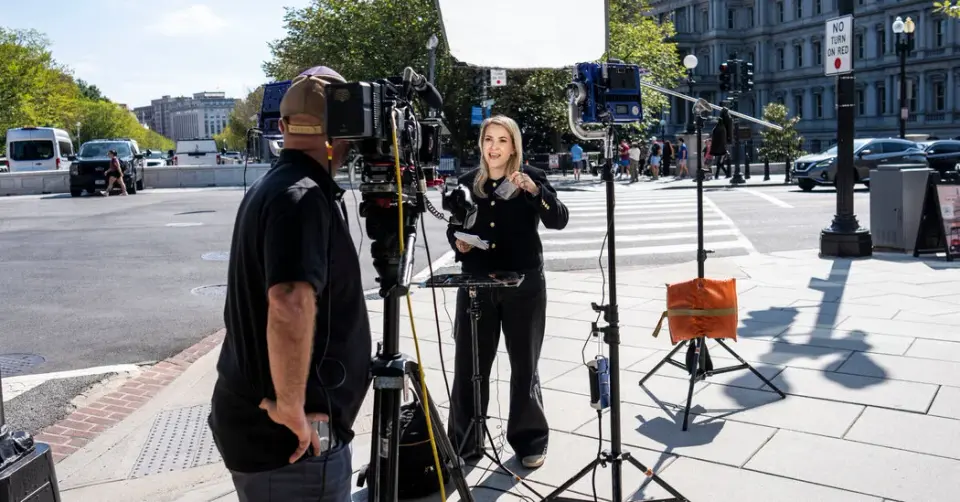
President Trump’s ban on CNN, MS NOW, and Politico from the White House took effect Saturday, resulting in the confiscation of press badges and legal challenges. The move, announced via Truth Social, cites 'fake news' but is widely condemned as unconstitutional viewpoint discrimination.
Key points
- Badges for CNN, MS NOW, and Politico reporters were deactivated or confiscated at White House security gates on Saturday morning.
- Trump announced the ban on Friday via Truth Social, citing 'fiction and lies' in their coverage, though he did not cite specific reports.
- Legal experts, including Bruce D. Brown of the Reporters Committee, called the ban 'textbook viewpoint discrimination' and predicted it would fail in court.
- CNN, MS NOW, and Politico pledged to defend their First Amendment rights, while other networks discussed refusing to substitute for CNN’s upcoming UN coverage duties.
- The ban caught some White House staff off guard, as Chief of Staff Susie Wiles was out of town when the order was issued.
Background
This escalation follows a pattern of media restrictions in Trump’s second term, including previous bans on the Associated Press and Pentagon access limits. The administration has faced multiple lawsuits over press access, including a recent ruling against the AP’s exclusion from the Oval Office. The current ban is part of a broader campaign to control the narrative, which critics argue has lowered the U.S. press freedom ranking to its lowest since 2002.
How outlets are covering it
The New York Times and MS NOW emphasized the immediate physical denial of access and the constitutional implications, noting that badges were physically confiscated. Politico highlighted the internal surprise among senior staff, suggesting the order was issued without full coordination. While the administration framed the ban as a response to 'biased' reporting, legal experts and even some conservative figures like Ari Fleischer criticized it as a dangerous precedent that could eventually be used against them. The Miami Herald source was inaccessible, providing no additional perspective.
Why it matters
The ban sets a potential precedent for government retaliation against media based on editorial content, threatening the independence of the press. It also creates a logistical crisis for presidential coverage, as the refusal of other networks to substitute for CNN could leave the president without mainstream TV coverage during high-profile events like the UN General Assembly.
What to watch
The affected outlets are expected to file lawsuits to restore access. A key test will occur next week when CNN is scheduled to provide pool coverage for Trump’s UN visit; other networks may refuse to step in, potentially leaving the president without a mainstream television crew.
- Live Updates: CNN, Politico and MS NOW Reporters Denied White House Access After Trump Announces Ban The New York Times
- Inside the White House media ban Politico
- MS NOW journalists denied entry to White House on day after Trump bans them in First Amendment test MS NOW
- Secret Service Revokes White House Passes for Major News Outlets After Trump Ban Miami Herald
- CNN, Politico denied access to White House after MSNOW denied fox10phoenix.com
Want the full story? Read the original reporting
Read on The New York Times