
Trump Escalates Anti-Muslim Rhetoric in Michigan, Linking El-Sayed to Terrorism
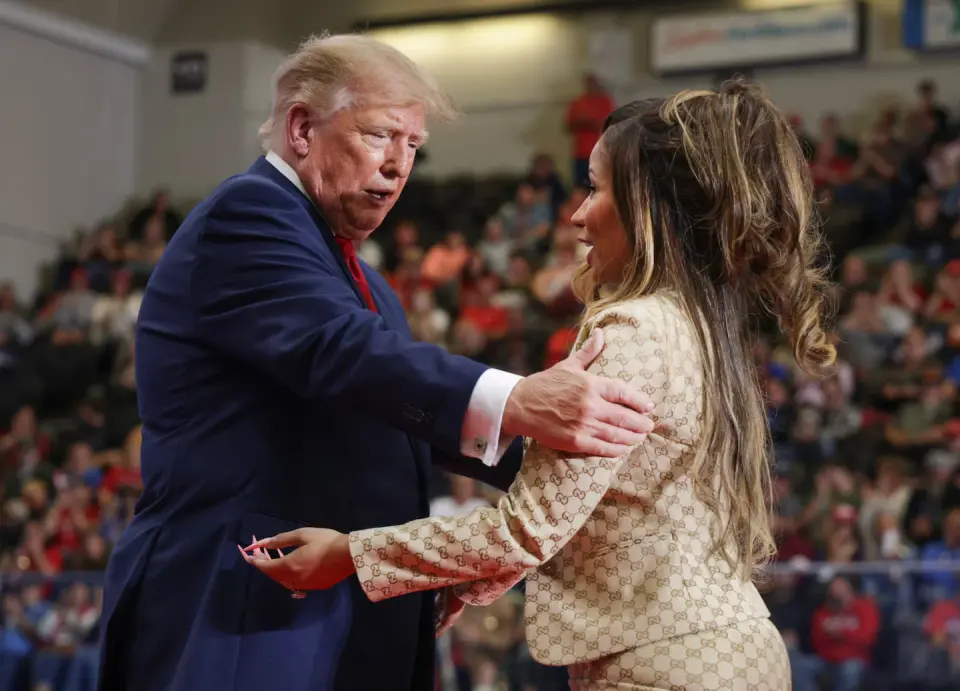
President Donald Trump intensified his campaign against Democratic Senate nominee Abdul El-Sayed during a Sunday rally in Port Huron, Michigan. Trump labeled El-Sayed a 'jihadist' and falsely accused him of being a member of the Muslim Brotherhood, warning that his election would lead to the imposition of Sharia law and the cancellation of Christmas. The remarks, delivered to a crowd of over 4,000, aimed to energize the Republican base ahead of the November 3 midterm elections. While Trump’s approval ratings have declined due to the ongoing US-Iran war and rising gas prices, the rally demonstrated his continued ability to mobilize supporters. El-Sayed, a US-born epidemiologist, has consistently denied any ties to extremist groups, framing the attacks as a distraction from economic issues.
Key points
- Trump called El-Sayed a 'jihadist' and 'Muslim Brotherhood member' at a rally in Port Huron, Michigan, on Sunday.
- Trump claimed El-Sayed would impose Sharia law and 'invite hordes of jihadists' if elected, despite El-Sayed being a US-born citizen.
- Republican nominee Mike Rogers joined Trump on stage, echoing claims of El-Sayed’s ties to designated terrorist groups without providing evidence.
- El-Sayed has repeatedly denied affiliation with the Muslim Brotherhood or other extremist organizations, calling the rhetoric a distraction from cost-of-living concerns.
- The Michigan Senate race is considered a critical toss-up; Republicans currently hold a 53-seat majority in the Senate.
- Trump defended the ongoing US-Iran war, stating he has 'no regrets' despite gas prices in Michigan rising to $4.83 per gallon.
Background
This escalation follows a pattern of anti-Muslim rhetoric from Trump in the 2026 midterm cycle, including previous attacks at rallies in Ohio and the amplification of anti-Muslim messaging by figures like Kid Rock. The Michigan race is pivotal for Democrats, who need to flip multiple seats to regain control of the Senate. Former President Barack Obama recently campaigned for El-Sayed in Detroit, prompting Trump to criticize Obama’s 'incompetence.' The broader context includes a significant drop in Trump’s approval ratings, with only 35% of Michigan voters viewing him positively, driven by inflation and the Iran conflict.
How outlets are covering it
The Washington Post and The New York Times focused on the Islamophobic nature of Trump’s speech, highlighting the baseless accusations against El-Sayed and the mobilization of the Republican base. Al Jazeera provided a broader context, linking the rhetoric to Trump’s declining popularity and the economic impact of the Iran war, while noting Rogers’ previous support for aid to Egypt under a Muslim Brotherhood president. CNN emphasized the strategic importance of the Michigan race for Democrats and El-Sayed’s efforts to counter the attacks by focusing on economic issues. All sources agree that the rhetoric is a significant escalation, but they differ in emphasis: The Post and NYT focus on the hate speech, Al Jazeera on the political consequences, and CNN on the electoral strategy.
Why it matters
The rally underscores the role of religious identity in US midterm elections and the potential for Islamophobic rhetoric to influence voter behavior in key battleground states. The Michigan Senate race is crucial for determining control of the US Senate, with Democrats needing to flip multiple seats to regain a majority. Trump’s ability to mobilize his base despite declining approval ratings highlights the polarizing nature of his campaign. The escalation also raises concerns about the impact of extremist rhetoric on democratic processes and the safety of minority candidates.
What to watch
The midterm elections are scheduled for November 3, 2026. El-Sayed and Rogers will continue campaigning in Michigan, with El-Sayed focusing on economic issues and Rogers emphasizing national security and anti-extremism. The outcome of the Michigan race will be a key indicator of the broader midterm trends. Trump is expected to continue his campaign blitz, including visits to other battleground states like Texas and Pennsylvania. The ongoing US-Iran war and its economic impact will likely remain a central issue in the final weeks of the campaign.
- Trump calls El-Sayed a ‘jihadist’ as he escalates campaign rhetoric The Washington Post
- Trump dials up Islamophobia at Michigan Senate rally against Abdul El-Sayed Al Jazeera
- In Islamophobic Rant, Trump Seeks to Stir Republican Base in Michigan The New York Times
- Trump invokes 9/11 in urging Michigan voters to oppose Muslim Senate candidate El-Sayed Reuters
- Trump making final midterm sprint in red states where Republicans are in danger of losing seats CNN
Want the full story? Read the original reporting
Read on The Washington Post