
Trump's Endorsement of Irish Unity Shatters U.S. Neutrality
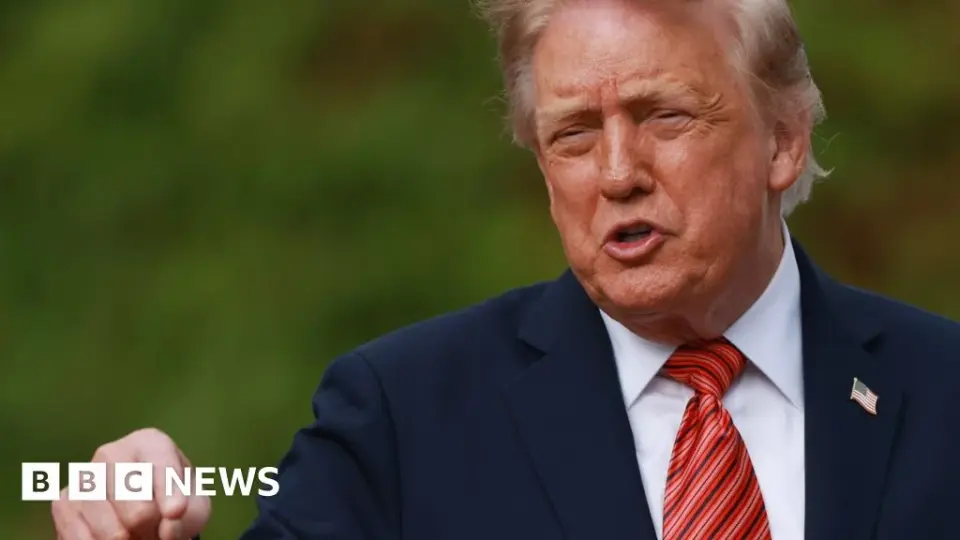
During a two-day visit to Ireland, President Donald Trump broke with decades of U.S. neutrality by publicly endorsing the reunification of Northern Ireland with the Republic of Ireland. Speaking in Dublin alongside Irish Prime Minister Micheál Martin, Trump stated that a united Ireland would be 'fantastic' and predicted it would eventually happen. The comments triggered immediate backlash from the UK government and unionist leaders, who dismissed the remarks as unhelpful and inconsistent with the Good Friday Agreement. While the statement did not alter the legal pathway for a border poll, it has energized pro-unification campaigners and raised questions about whether the move was a diplomatic tactic or a signal for U.S. midterm voters.
Key points
- President Trump stated in Dublin that he would 'love to see' Irish reunification, calling it a 'fantastic' outcome that will eventually occur.
- This marks a significant departure from the long-standing U.S. policy of neutrality on the issue of Northern Ireland's status.
- UK officials and unionist politicians in Northern Ireland quickly dismissed the comments as 'unhelpful' and compared them to other controversial Trump statements.
- The Good Friday Agreement remains the governing framework, meaning a border poll can only be triggered by the UK government, not by U.S. opinion.
- Pro-unification groups are likely to leverage Trump's endorsement as a momentum booster, despite no immediate change in legal procedures.
Background
The issue of Irish unity has been a central political question since the partition of Ireland in 1921 and the subsequent conflict in Northern Ireland. The 1998 Good Friday Agreement established a framework for peace and provided a mechanism for a border poll if a majority in both jurisdictions supported reunification. The U.S. has historically maintained strict neutrality to avoid inflaming tensions. Recent archive coverage from September 12, 2026, indicates that Trump's visit included meetings with Irish President Catherine Connolly and Taoiseach Micheál Martin, as well as a stop at his golf resort in County Clare for the Irish Open. Prior to this visit, Trump had avoided taking a definitive stance on the issue, despite occasional references to a 'merger' in the past.
How outlets are covering it
The BBC and The New York Times both highlight the unprecedented nature of Trump's statement, noting that it breaks with decades of U.S. neutrality. The Washington Post emphasizes the diplomatic fallout, pointing out that the UK government and unionist leaders, including former DUP MP Ian Paisley, quickly downplayed the remarks. The BBC suggests that Trump's comments may have been a strategic move to ease tensions with his hosts or to appeal to Irish American voters ahead of U.S. midterm elections. In contrast, The New York Times frames the statement as a direct challenge to the established diplomatic consensus, noting that while the comments are politically sensitive, they do not change the legal reality that only the UK government can trigger a border poll. All sources agree that while the statement is symbolic, it has energized pro-unification campaigners who may now cite the U.S. president's support in their advocacy.
Why it matters
Trump's endorsement of Irish reunification is significant because it represents a shift in U.S. foreign policy on a historically sensitive issue. It could influence public opinion in Northern Ireland and the Republic of Ireland, potentially affecting the political landscape for future border polls. Additionally, the statement may have implications for U.S. midterm elections, as it could resonate with Irish American voters. The reaction from the UK and unionist leaders highlights the continued sensitivity of the issue and the potential for diplomatic friction between the U.S. and the UK.
What to watch
Trump is expected to face further questions on the issue during the closing round of the Irish Open in County Clare. The UK government and unionist leaders are likely to continue downplaying the remarks, while pro-unification groups may use the endorsement to bolster their campaigns. The legal pathway for a border poll remains unchanged, as it requires a decision by the UK government. The U.S. State Department may issue a statement to clarify the official position on Irish unity, potentially reaffirming neutrality despite the president's comments.
- What's next after Donald Trump's united Ireland comments? BBC
- Trump Says Irish Unification Would Be ‘Fantastic,’ Breaking With Precedent The New York Times
- Trump endorses Irish reunification, breaking with decades of U.S. policy The Washington Post
- Rory McIlroy and Brooks Koepka react to Air Force 1 landing during their rounds at the Irish Open Yahoo Sports
- Trump continues visit to Ireland amid row over Irish unity remarks independent.co.uk
Want the full story? Read the original reporting
Read on BBC