
Trump's Port Huron Rally: Anti-Muslim Rhetoric vs. Economic Reality
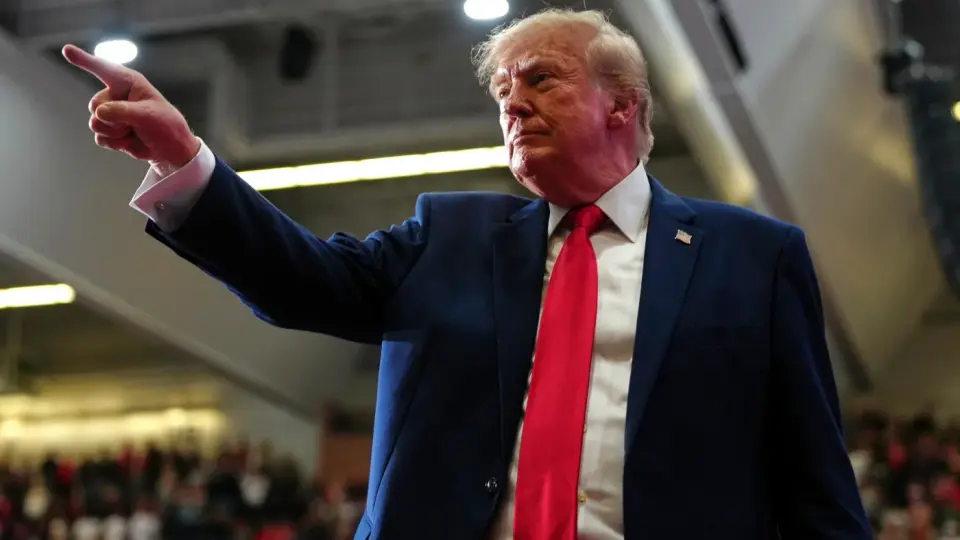
President Donald Trump intensified anti-Muslim attacks against Michigan Senate candidate Abdul El-Sayed at a Sunday rally in Port Huron, labeling him a 'jihadist' and falsely linking him to the Muslim Brotherhood. While Trump aimed to energize Republican voters by invoking 9/11 and national security fears, El-Sayed and Democratic allies argued the rhetoric distracts from economic concerns like inflation. The remarks drew sharp criticism from former Arab American allies of Trump, who called the comments racist and a betrayal of the coalition that helped him win Michigan in 2024. The Michigan Senate race, which could determine control of the US Senate, remains tight with nine days left until the election.
Key points
- Trump called El-Sayed a 'jihadist' and claimed he would 'invite hordes of jihadis to our shores' if elected, drawing a comparison between stopping El-Sayed and the passengers who fought back on United Flight 93.
- El-Sayed, a US-born epidemiologist and former Detroit health official, denied any ties to extremist groups and called the attacks on his loyalty 'shameful.'
- Bishara Bahbah, a founder of the group that helped Trump court Arab American voters in 2024, condemned the remarks as 'racist' and 'out of line,' warning that voters would remember the comments on November 3.
- Democrats, including Sen. Bernie Sanders, argued that Trump's focus on Islamophobia is a distraction from voter concerns about high prices, gas costs, and the Iran war.
- The rally featured rapper Nicki Minaj, who urged supporters to vote for the Republican ticket, while Trump made controversial comments about her body, continuing a pattern of personal remarks seen at recent rallies.
Background
The Michigan Senate race between El-Sayed and Republican Mike Rogers is one of the most contentious contests of the 2026 midterms, potentially determining control of the US Senate. In the final weeks of the campaign, Trump has escalated attacks on El-Sayed's faith, following earlier efforts by allies like Kid Rock to frame the race as a religious conflict. Previous coverage noted that these attacks have alienated Arab and Muslim voters who supported Trump in 2024, with local leaders reporting a shift toward El-Sayed. The campaign has also seen other controversies, including a viral town hall heckling incident linked to a $250,000 anti-El-Sayed campaign.
How outlets are covering it
NPR and The Washington Post emphasized the baseless nature of Trump's claims, noting that there is no evidence linking El-Sayed to the Muslim Brotherhood or extremist groups. The New York Times framed the rally as a 'dark' and personal vilification strategy to motivate the Republican base in a tight race. The Guardian highlighted the sharp rebuke from Bishara Bahbah, a former top Arab American ally, who called the remarks 'racist' and a 'red line.' All outlets noted that El-Sayed and Democrats framed the attacks as a distraction from economic issues, with Sanders and El-Sayed arguing that Trump has 'nothing to say' about the cost of living. The Washington Post also noted that Trump's approval rating has hit record lows at 33 percent, suggesting that his cultural capital through celebrity appearances may not be moving the needle for Republicans.
Why it matters
The Michigan Senate race is a key battleground that could determine control of the US Senate. Trump's escalation of anti-Muslim rhetoric risks alienating the Arab American voters who helped him win Michigan in 2024, potentially shifting the outcome of the race. The controversy also highlights the broader strategy of using fear and division to distract from economic concerns, which have defined the 2026 midterms. The sharp rebuke from a former ally underscores the internal tensions within the Republican coalition and the potential backlash from communities that Trump previously courted.
What to watch
The campaign will likely continue to focus on El-Sayed's faith and loyalty in the final nine days before the November 3 election. El-Sayed and his allies are expected to continue framing the attacks as a distraction from economic issues, while Republicans will likely double down on national security and anti-Muslim rhetoric. The outcome of the Michigan race will be crucial in determining control of the US Senate and the broader balance of power in Washington.
- Trump escalates anti-Muslim attacks against El-Sayed in Michigan NPR
- In Islamophobic Rant, Trump Seeks to Stir Republican Base in Michigan The New York Times
- Trump intensifies anti-Muslim rhetoric against Abdul El-Sayed at rally – US politics live The Guardian
- Trump calls El-Sayed a ‘jihadist’ as he escalates campaign rhetoric The Washington Post
- Trump invokes 9/11 in urging Michigan voters to oppose Muslim Senate candidate El-Sayed Reuters
Want the full story? Read the original reporting
Read on NPR