
UK Government Faces Google’s Refusal to Remove Russell Brand’s Prison Video, Prompting Calls for New Online Safety Laws
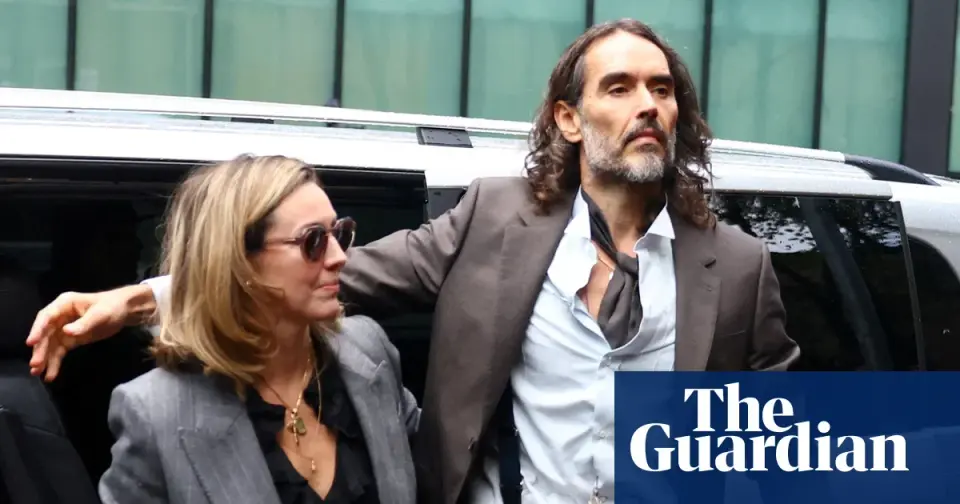
The UK government has requested Google to remove a YouTube video featuring a message from convicted rapist Russell Brand, but Google has refused, citing its own terms of service. This refusal has prompted calls from Labour MP Jess Phillips and other officials for a new Online Safety Act to compel platforms to remove distressing content from prisoners.
Key points
- Russell Brand’s wife, Laura, posted a video on their YouTube channel reading a handwritten message from Brand claiming he is not guilty of the sexual offenses for which he was convicted.
- The video has garnered nearly 850,000 views, causing distress to sexual abuse survivors and prompting an investigation by the Ministry of Justice into whether Brand violated prison rules.
- Google has rejected the UK government’s request to remove the video, stating that the content does not violate its community guidelines, despite the Ministry of Justice describing it as 'distressing for victims.'
- Labour MP Jess Phillips has called for a new Online Safety Act, arguing that current voluntary codes are insufficient to protect victims and that platforms like YouTube are not subject to the same regulations as traditional media.
- Other officials, including Culture Minister Kieran Murray and Housing Minister Matthew Pennycook, have also called on Google to remove the video, with some comparing it to Meta’s decision to disable Brand’s social media accounts.
Background
Russell Brand was sentenced to 10.5 years in prison for rape and three counts of sexual assault. His wife, Laura, continued their weekly YouTube show, 'Sunday Service,' despite his absence, and posted the video in question. The incident has raised concerns about the ability of prisoners to use social media platforms to communicate with the outside world, particularly those with large followings. The Online Safety Act, passed in 2023, aims to protect users from illegal content but does not explicitly address the issue of prisoners using social media to broadcast messages.
How outlets are covering it
The Guardian and BBC emphasize the government’s lack of power to compel platforms to remove content and the need for new legislation. The Independent criticizes Google’s refusal as a failure to protect women and calls for stronger regulation. Deadline highlights the cultural minister’s plea to YouTube to 'set an example' and the broader industry’s responsibility to address such issues. The BBC also notes the distress caused to victims, including Mia Latter, who alleged she was raped by Brand when she was 16.
Why it matters
This case highlights the gaps in current online safety regulations and the challenges of holding tech companies accountable for content that causes distress to victims. It underscores the need for stronger legislation to ensure that platforms like YouTube are held to the same standards as traditional media and that the rights of victims are protected.
What to watch
The UK government is expected to continue pressing Google to remove the video, and there may be further calls for a new Online Safety Act. The Ministry of Justice is investigating whether Brand violated prison rules, which could result in sanctions, including an extended sentence or loss of privileges. The case may also lead to broader discussions about the regulation of social media platforms and the protection of victims.
- New law ‘may be needed’ after Google rejects call to remove Russell Brand’s YouTube prison message The Guardian
- UK Culture Minister Delivers Emotional Plea To YouTube To “Set An Example” & Remove Russell Brand’s Channel Deadline
- Google declines UK request for Russell Brand YouTube video to be removed, sources say BBC
- UK authorities investigating after Russell Brand's message from prison Reuters
- Google’s refusal to silence Russell Brand tells women all they need to know The Independent
Want the full story? Read the original reporting
Read on The Guardian